Notwithstanding the horrific atom bomb, Nagasaki has other connotations for us.
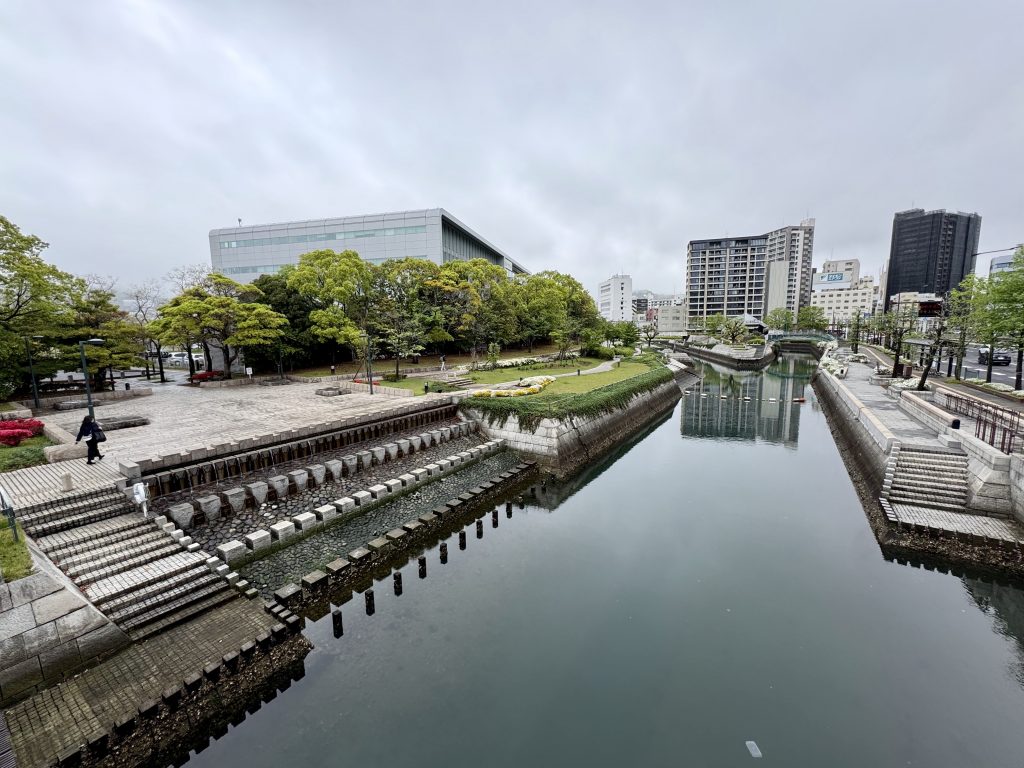
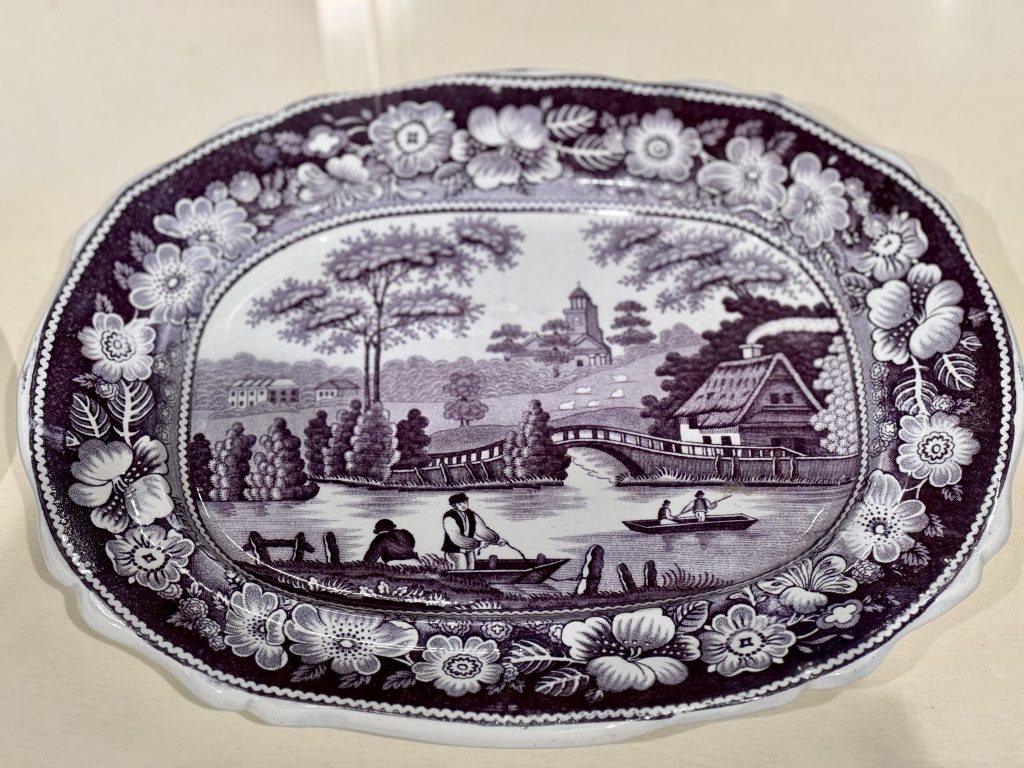
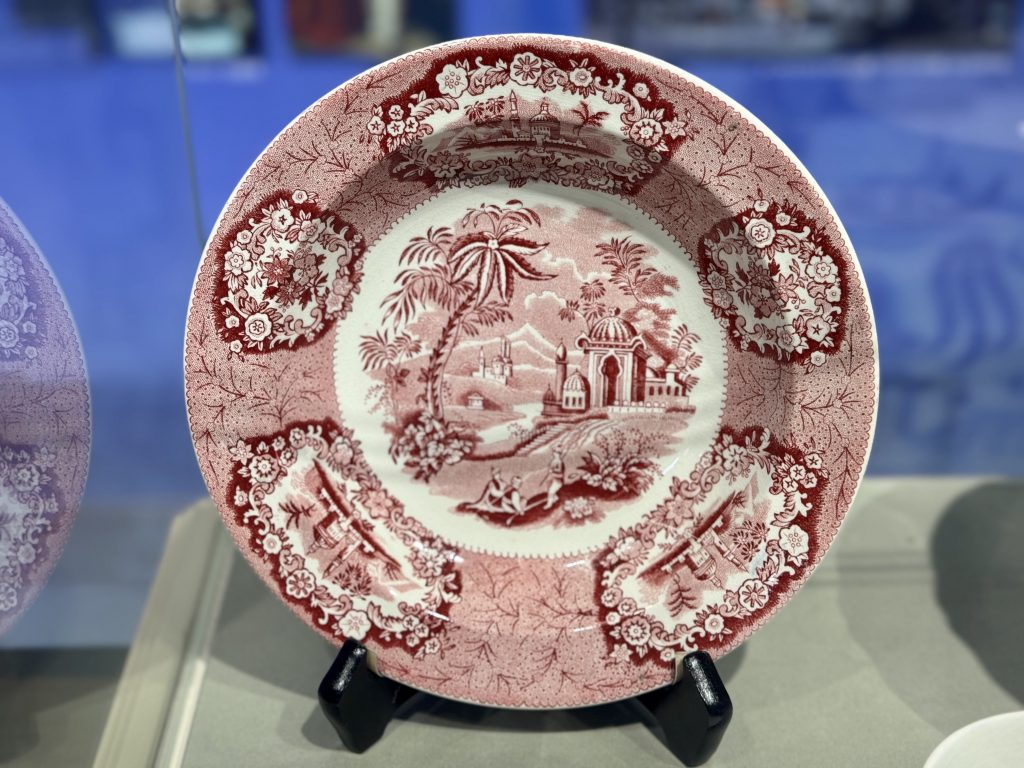
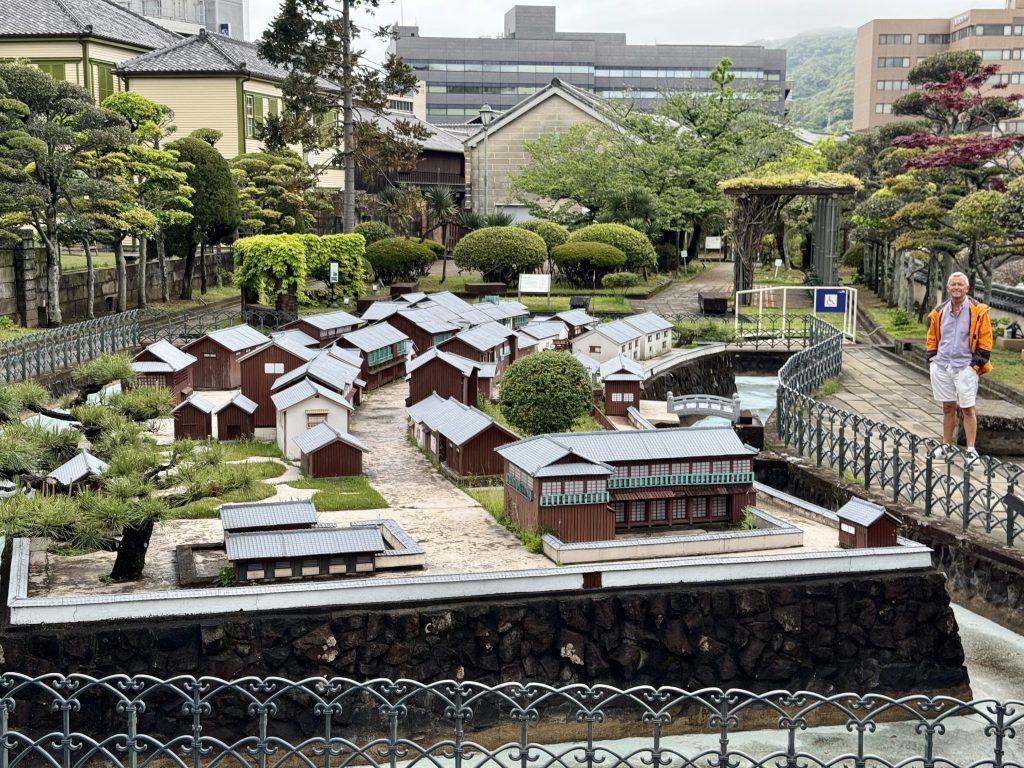
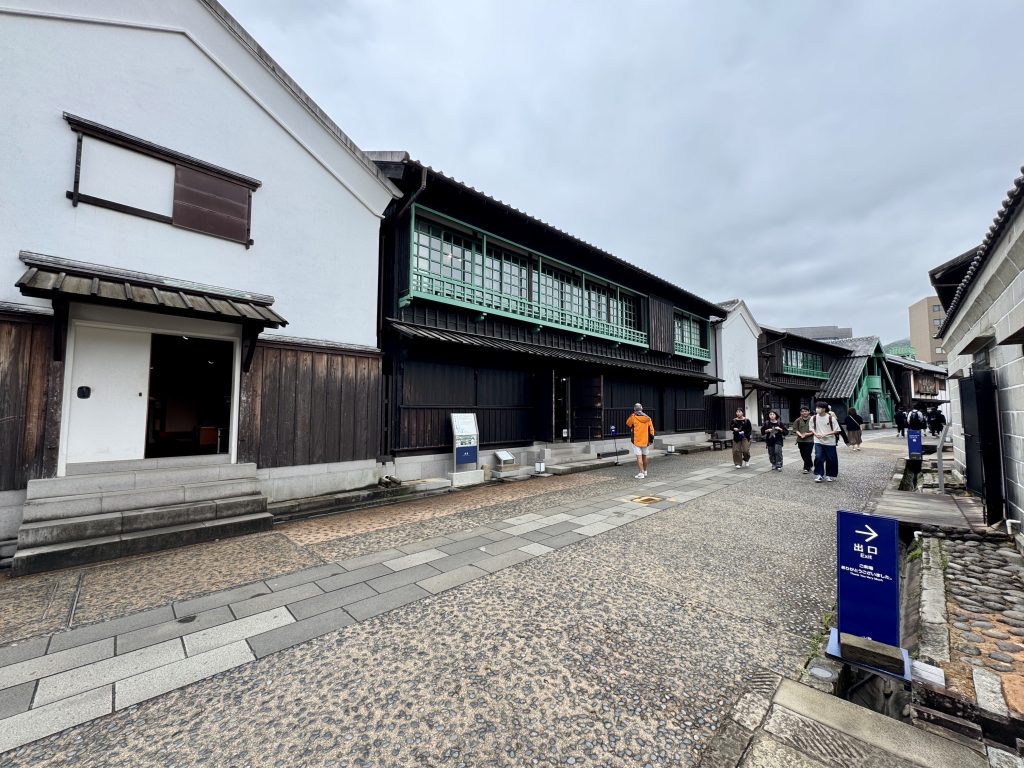
First though, we pass the gardens of the city hall, walk around Dejima Warfe and visit the Dejima historical,area, where in 1636 this island was “created” to contain the Portuguese, and later the Dutch during the Japanese lockdown which lasted 218 years. Much is being restored, the collection of artefacts is quite fascinating. Nowadays it’s is so landlocked it’s quite impossible to imagine this was once an island.
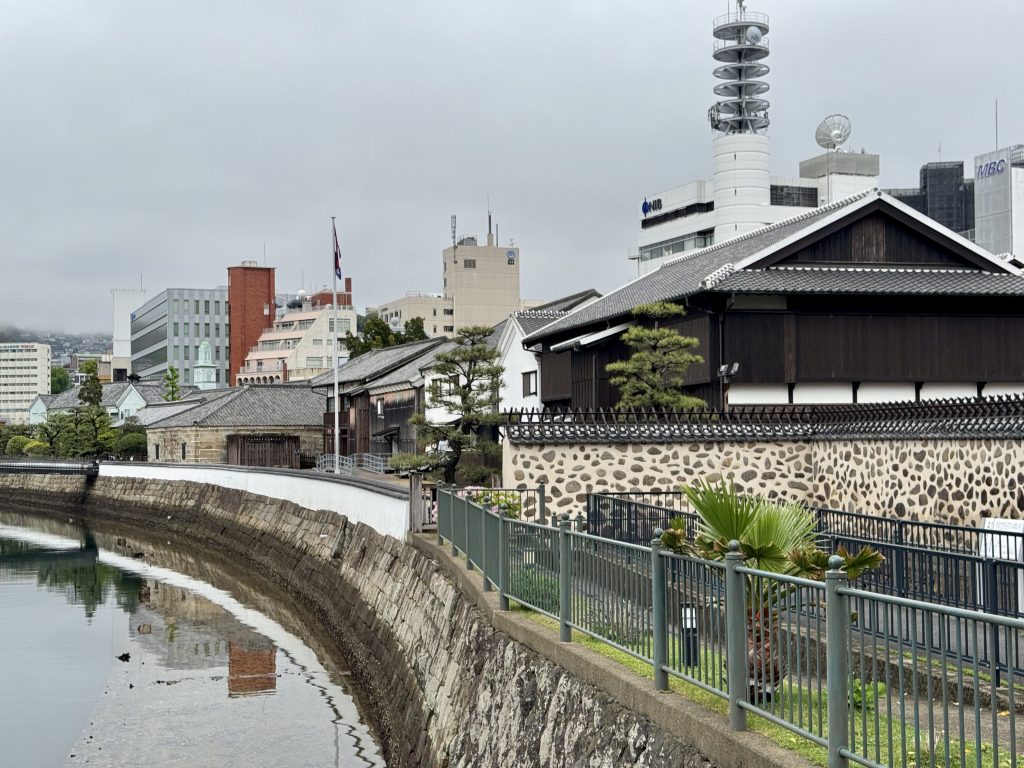
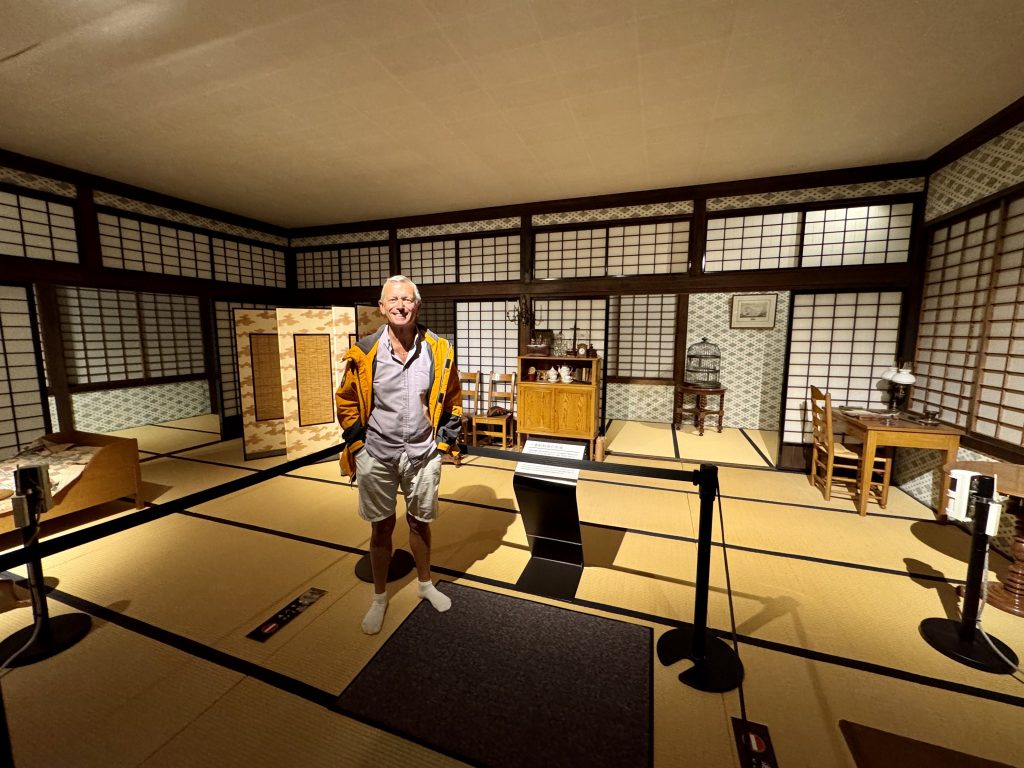
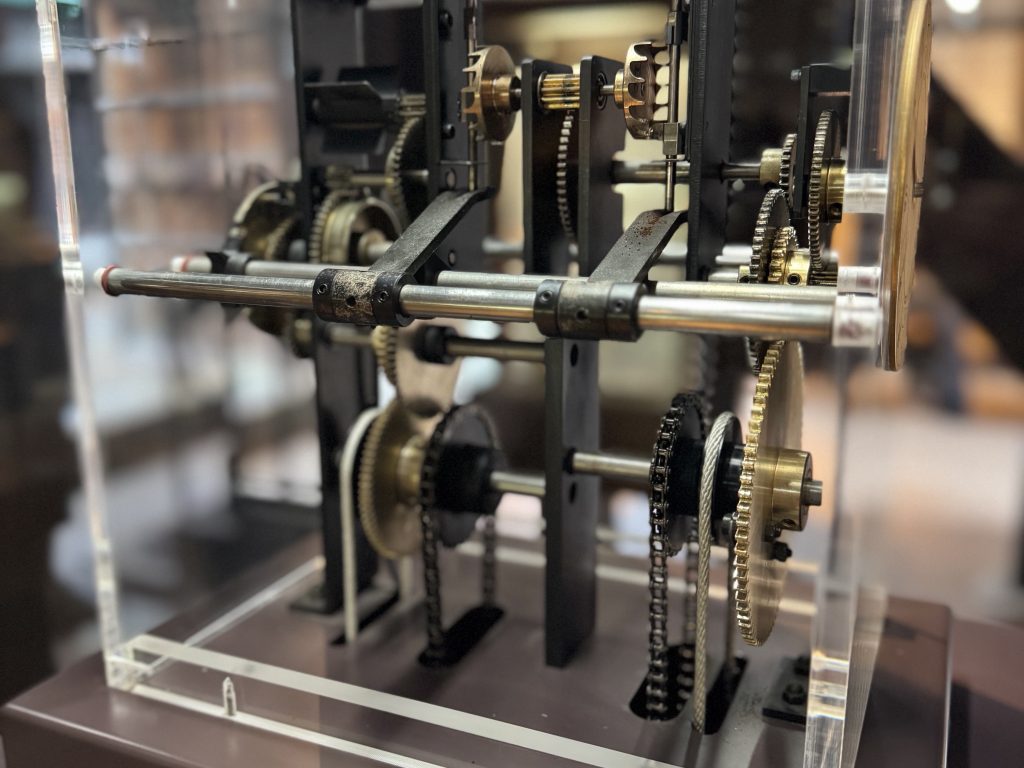
We wander around the captain’s house, view clocks, delftware, the clubhouse and many other interesting rooms.
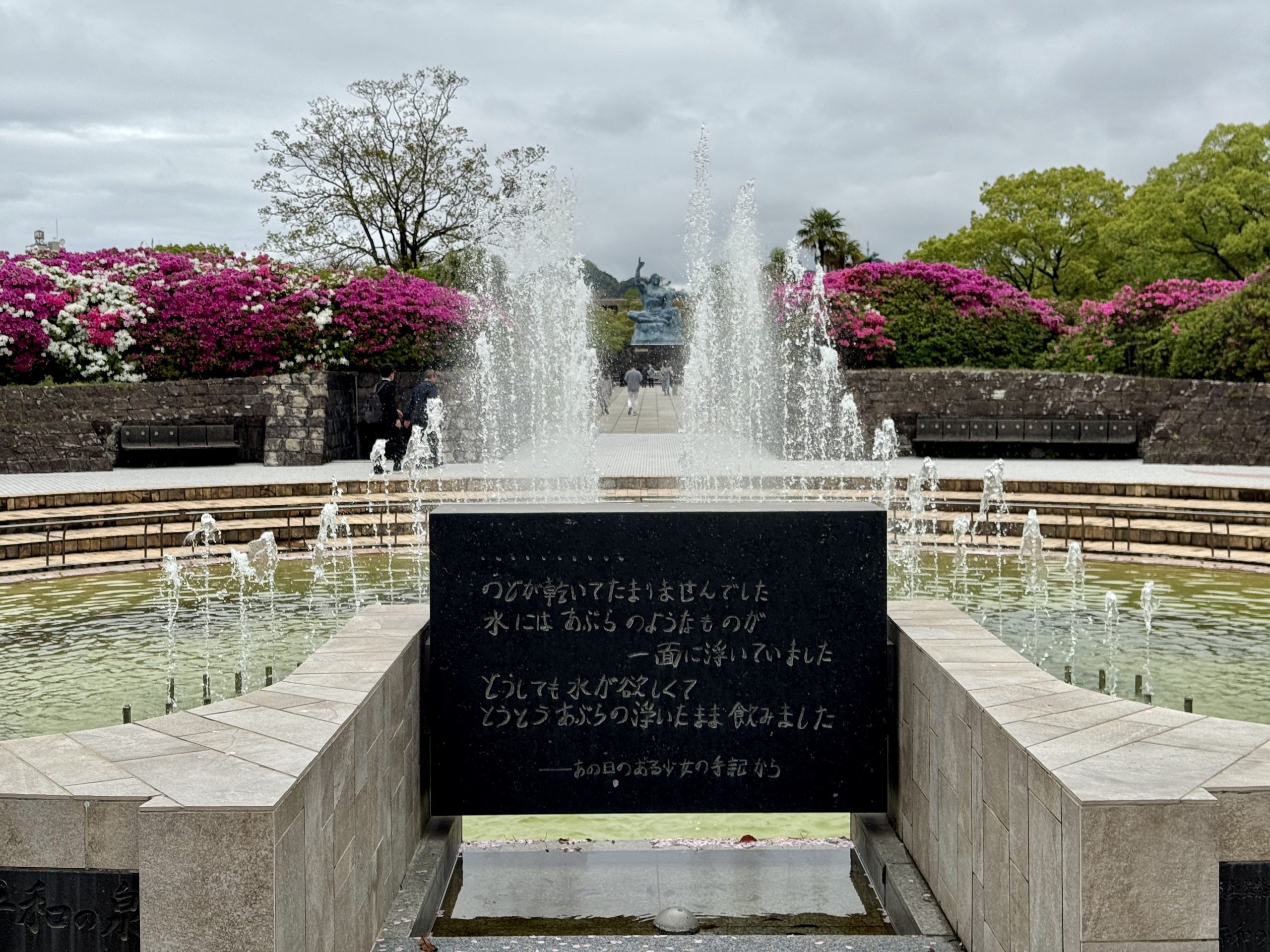
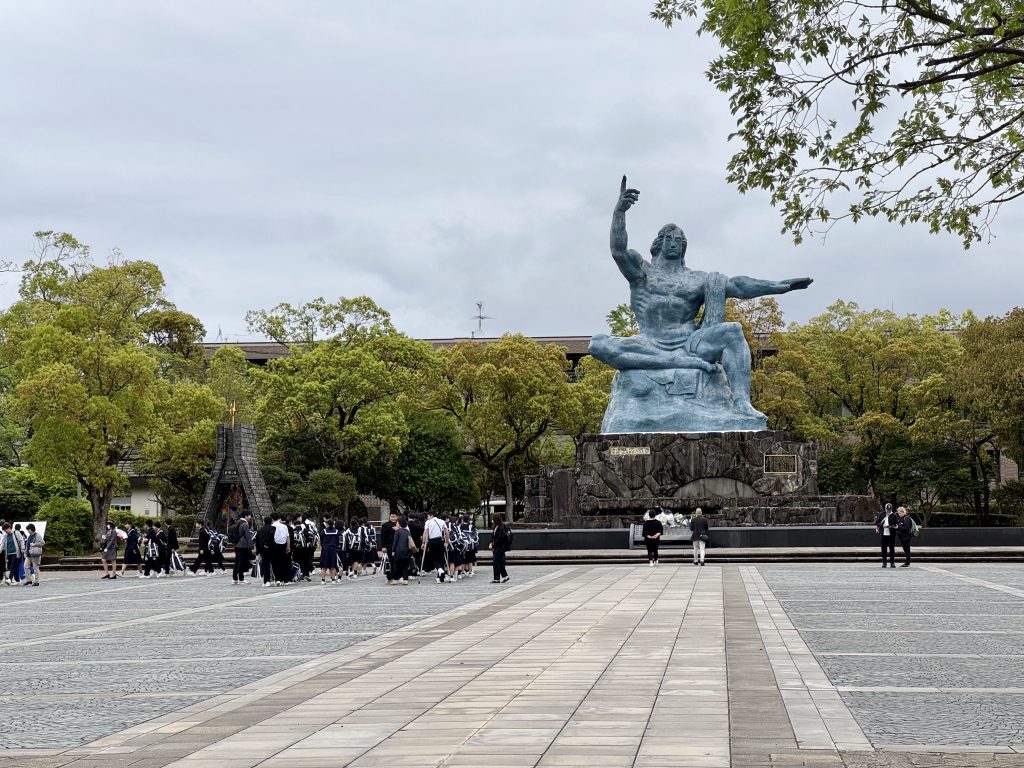
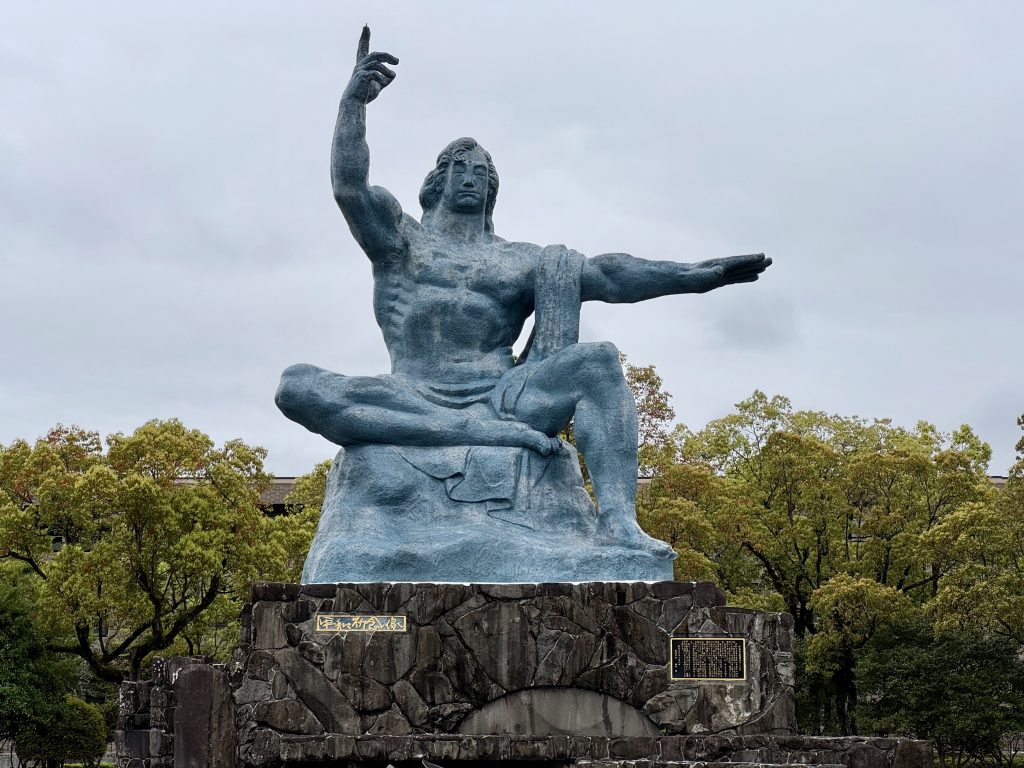
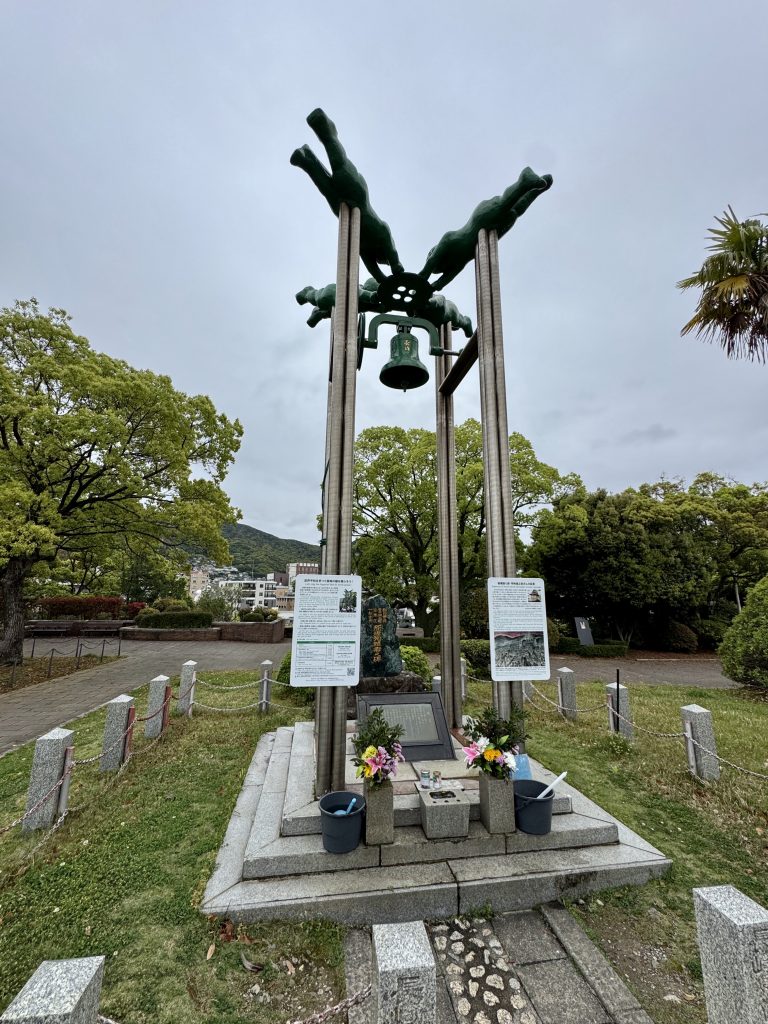
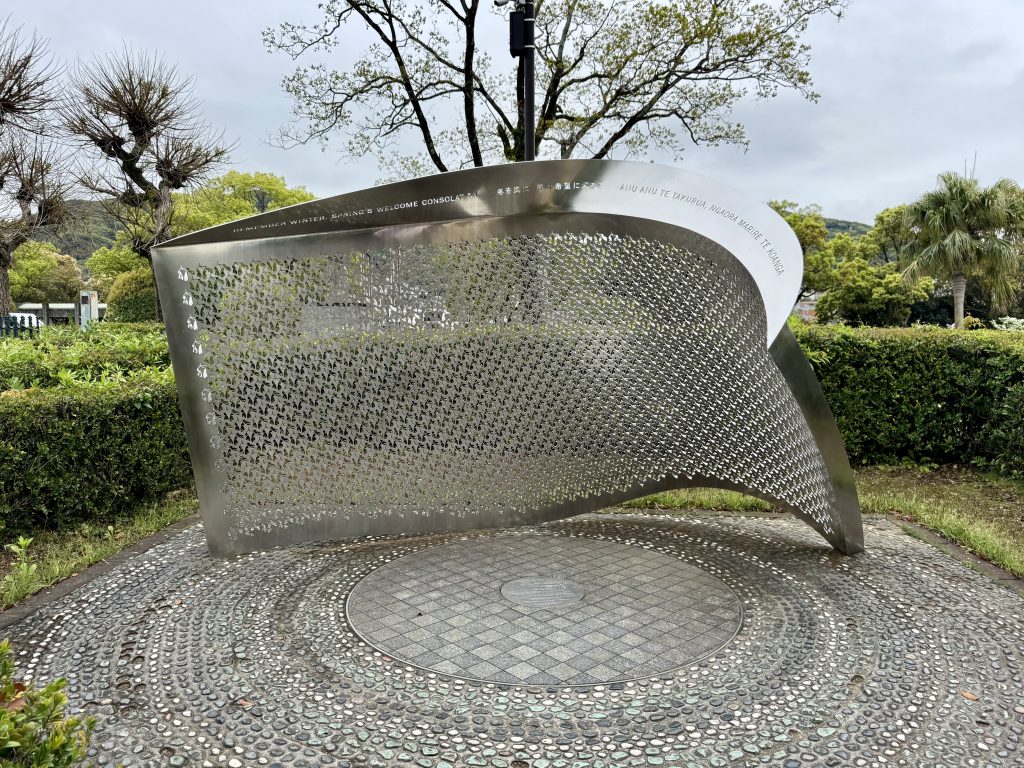
Next we set off the the Peace Park, which holds the Peace Statue and Hypocentre Monument amongst other things.
At the hypocentre – a monolith stands tall, a mother holds her baby and the remnant of what was Urakami Cathedral, the grandest Catholic Church in Asia at the time. A partial arch is all that was left, and was moved to this site to facilitate the rebuild which we visit later.
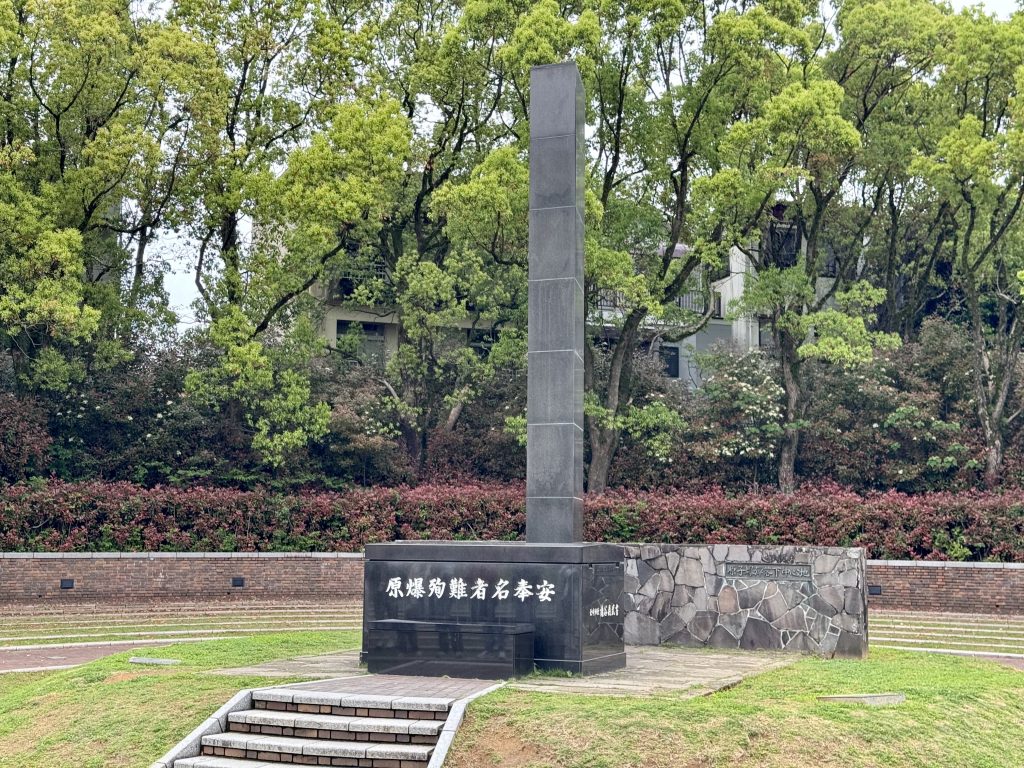
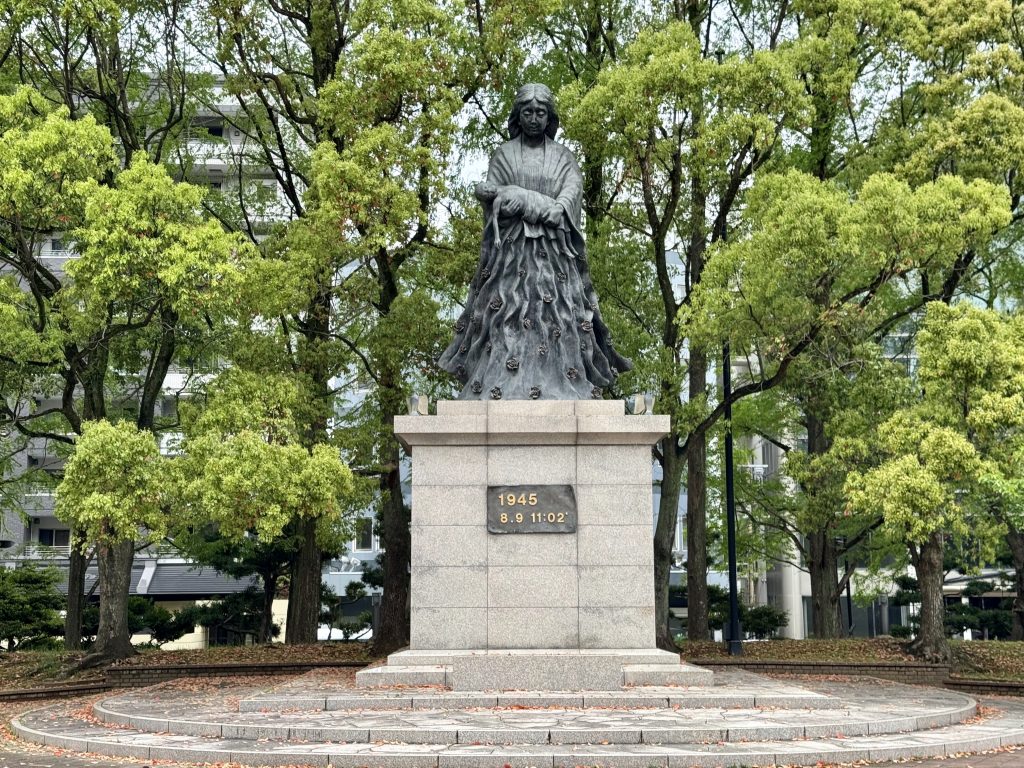
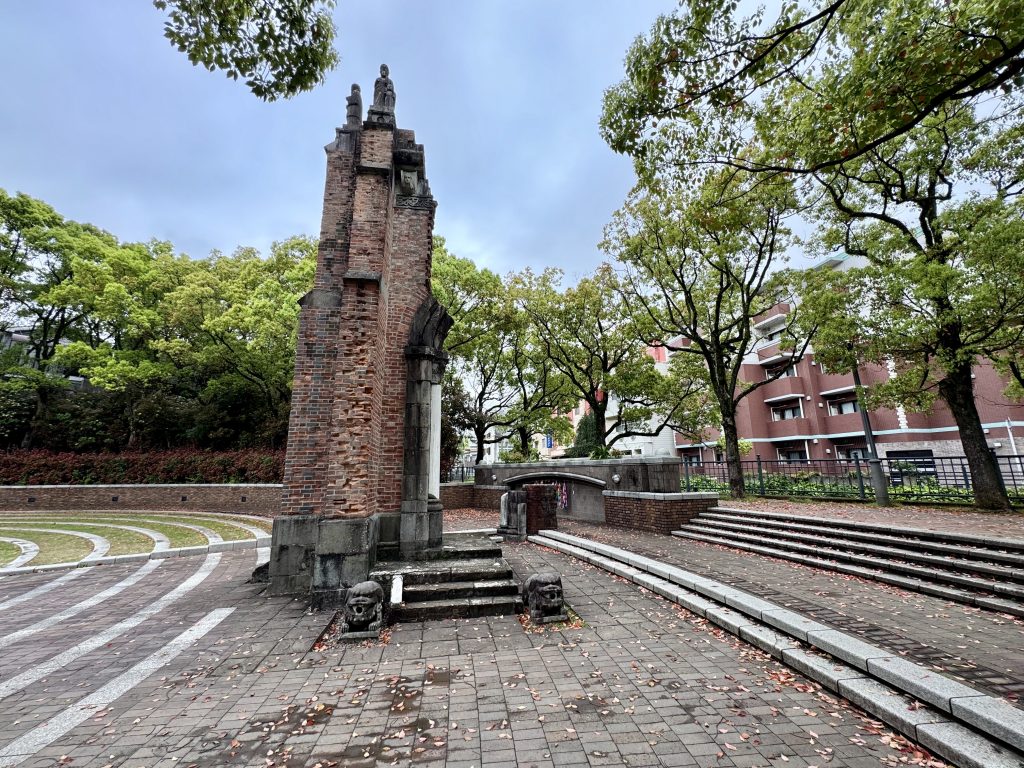
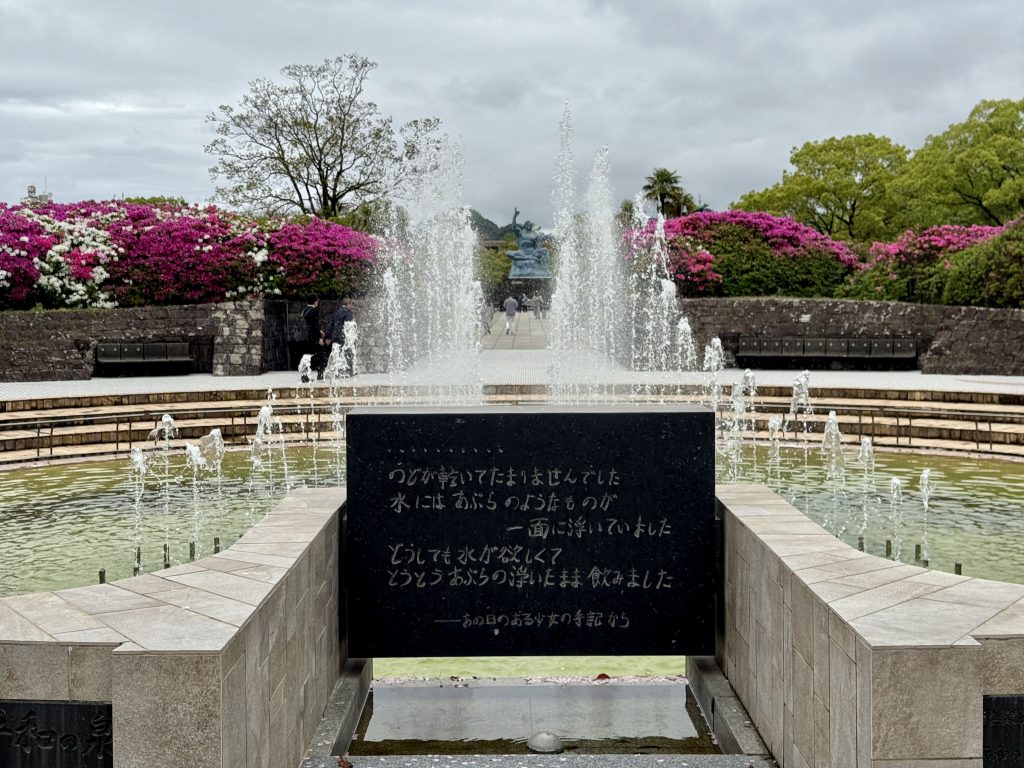

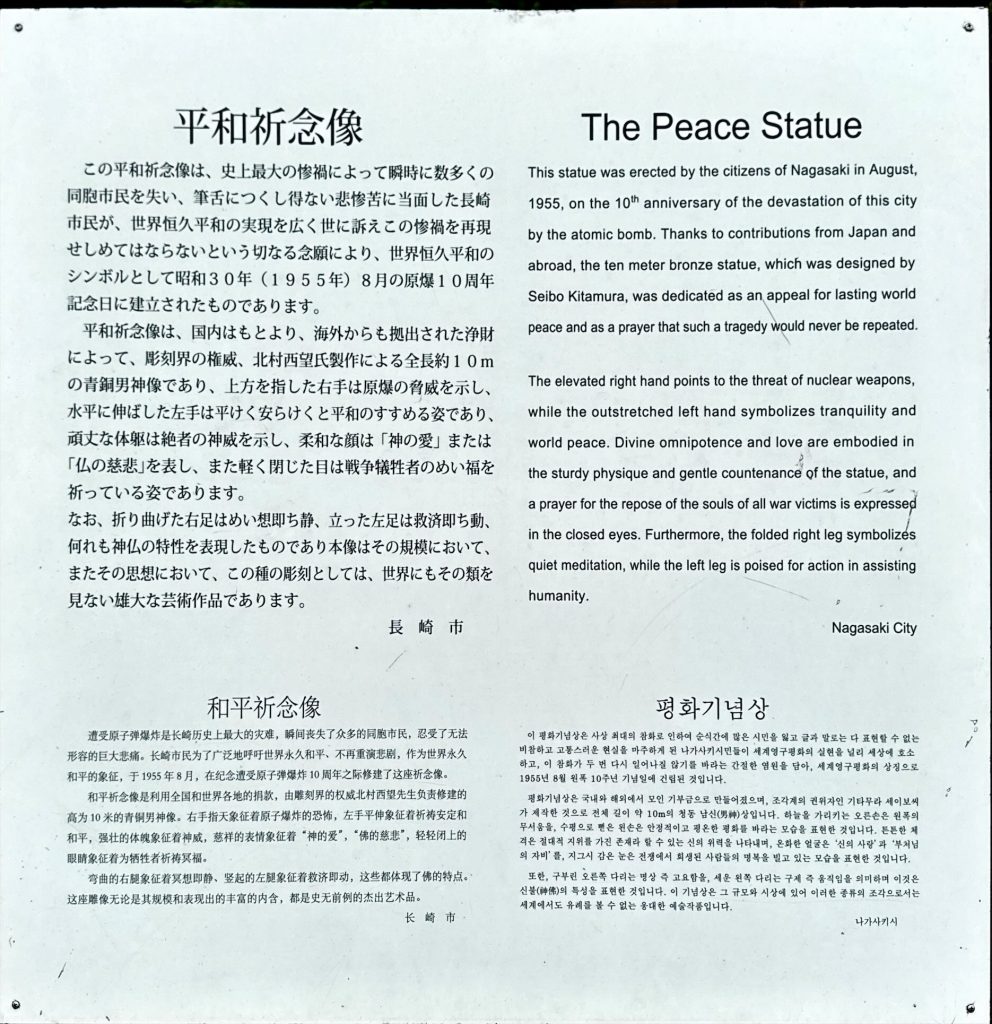
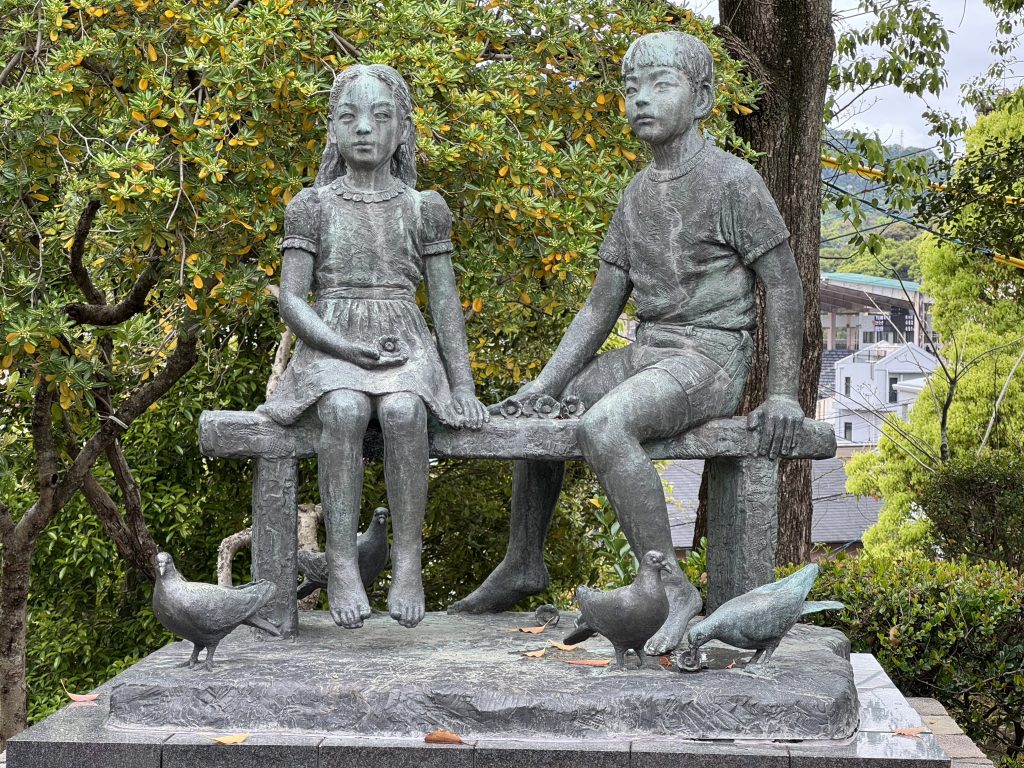
The Peace Statue is 8m tall, and represents the omnipresent threat along with the desire for peace. There are other statues and sculptures but a lot do not have an explanation, which is actually fine – silence is the correct response.

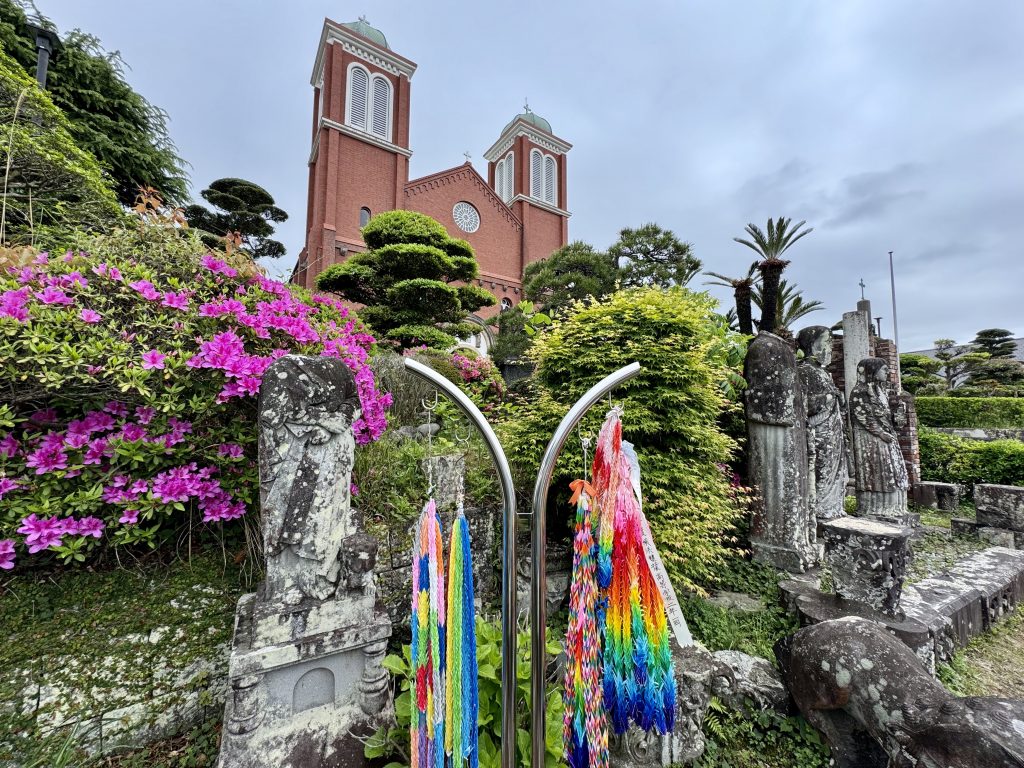
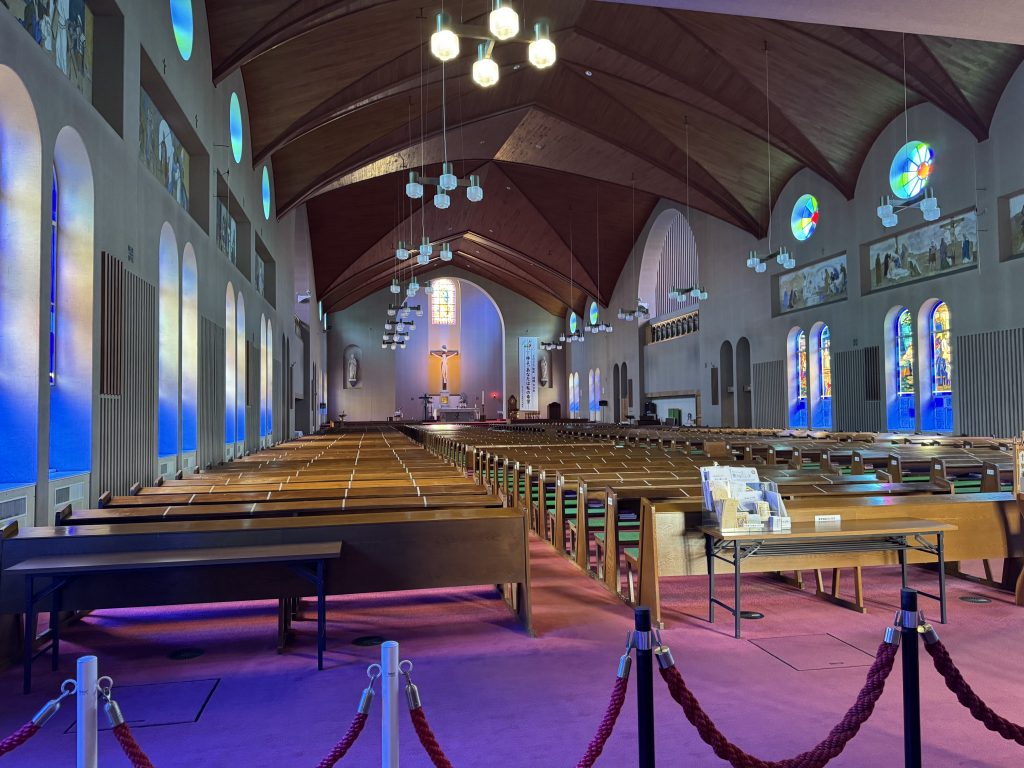
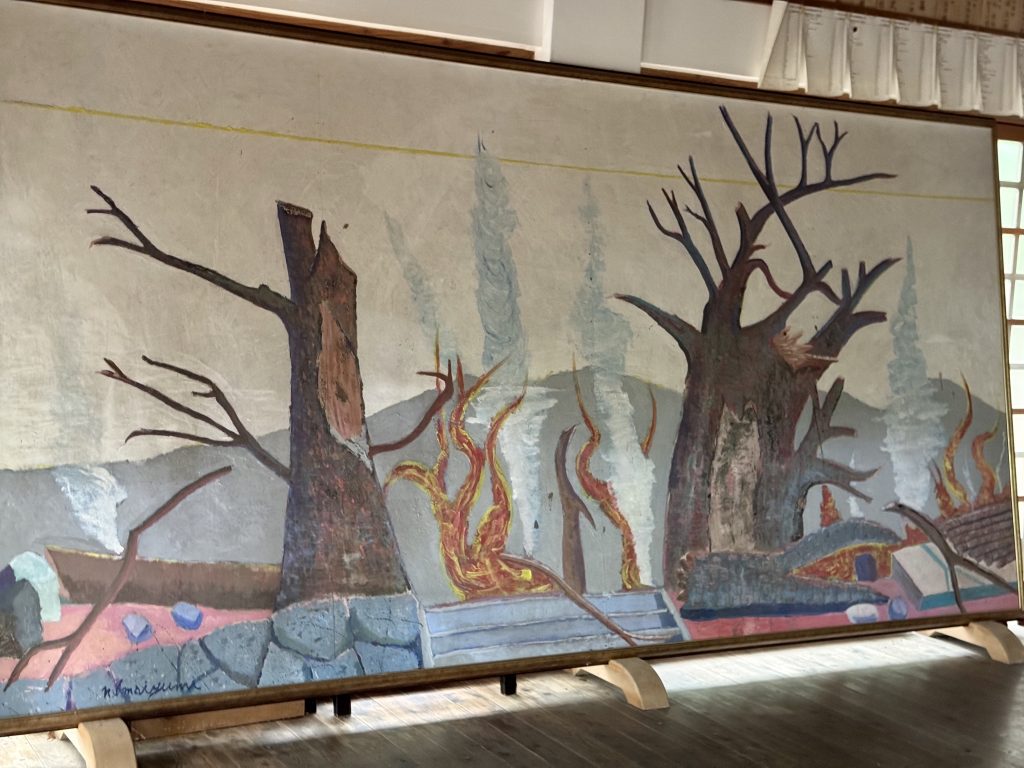
We visit the church which was rebuilt, and re-opened by John Paul II in the eighties. We take the old road back passing the Medical College which was totally destroyed along with 828 students and lecturers leaving just a few blocks of gatepost.
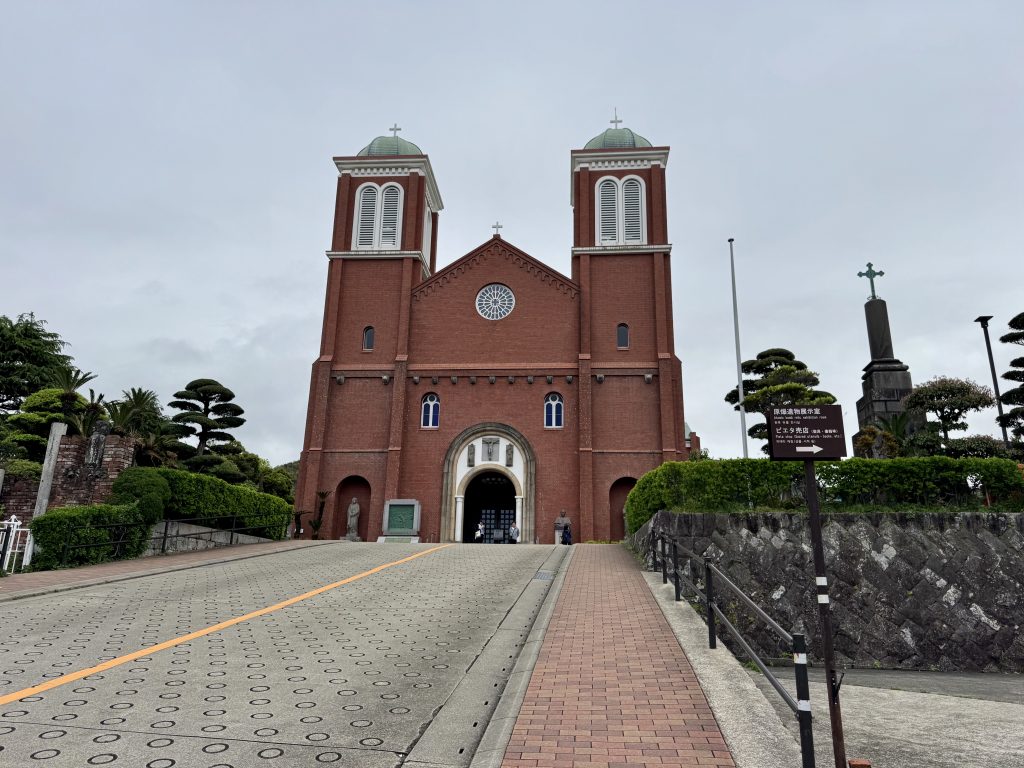
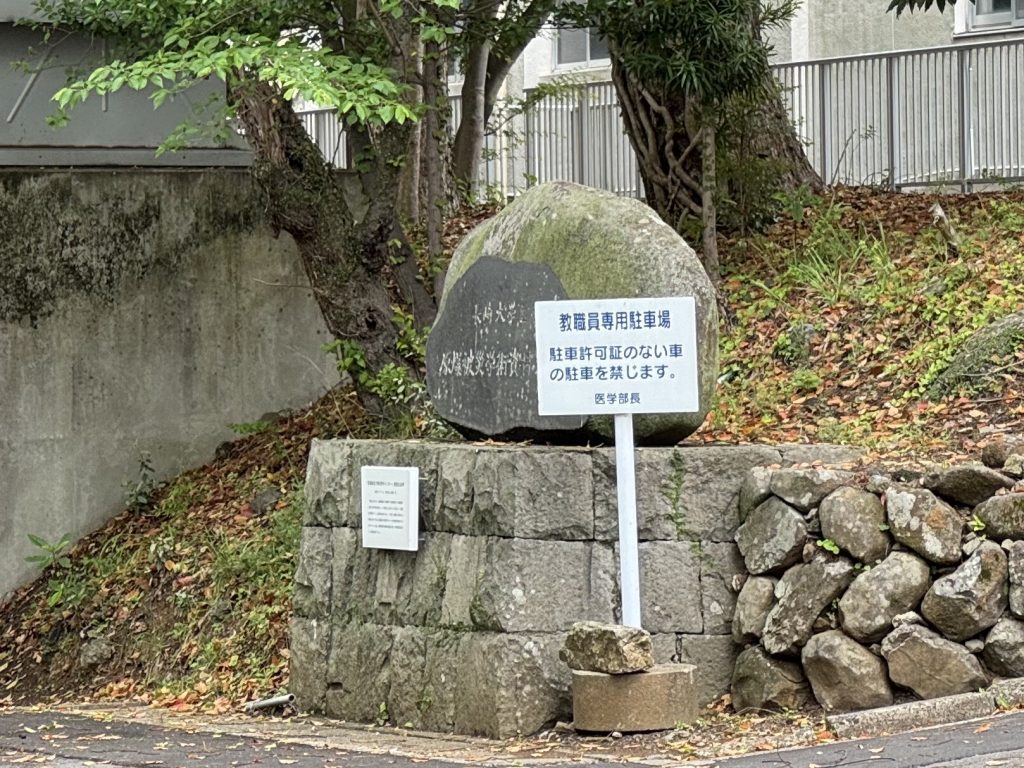
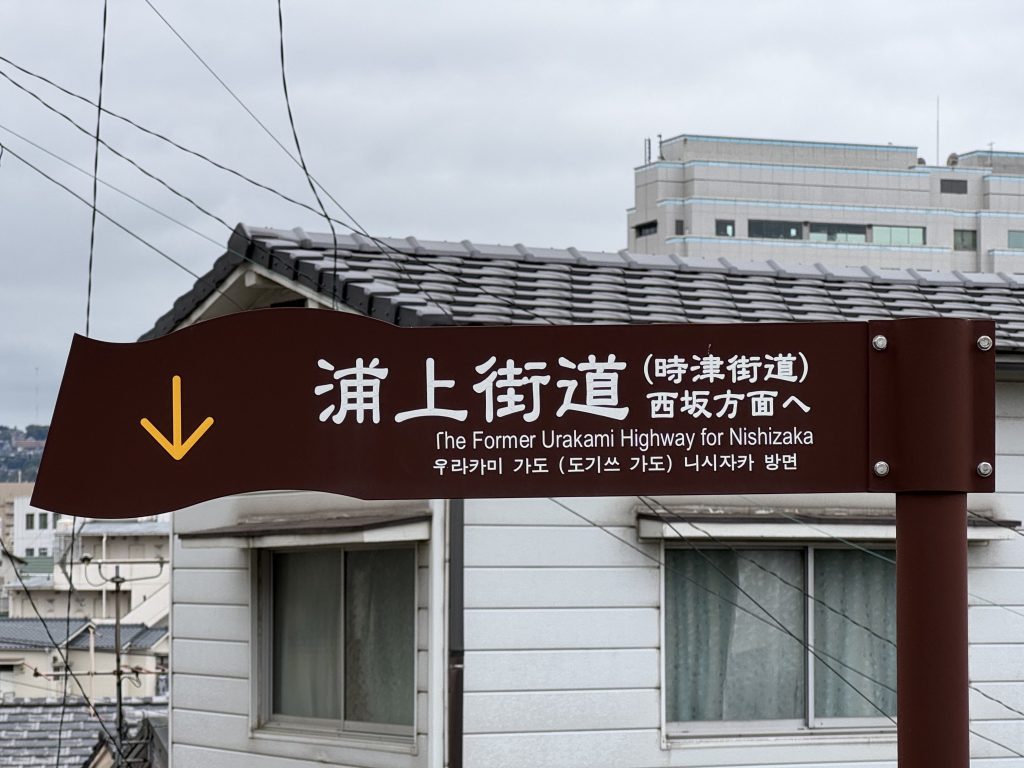
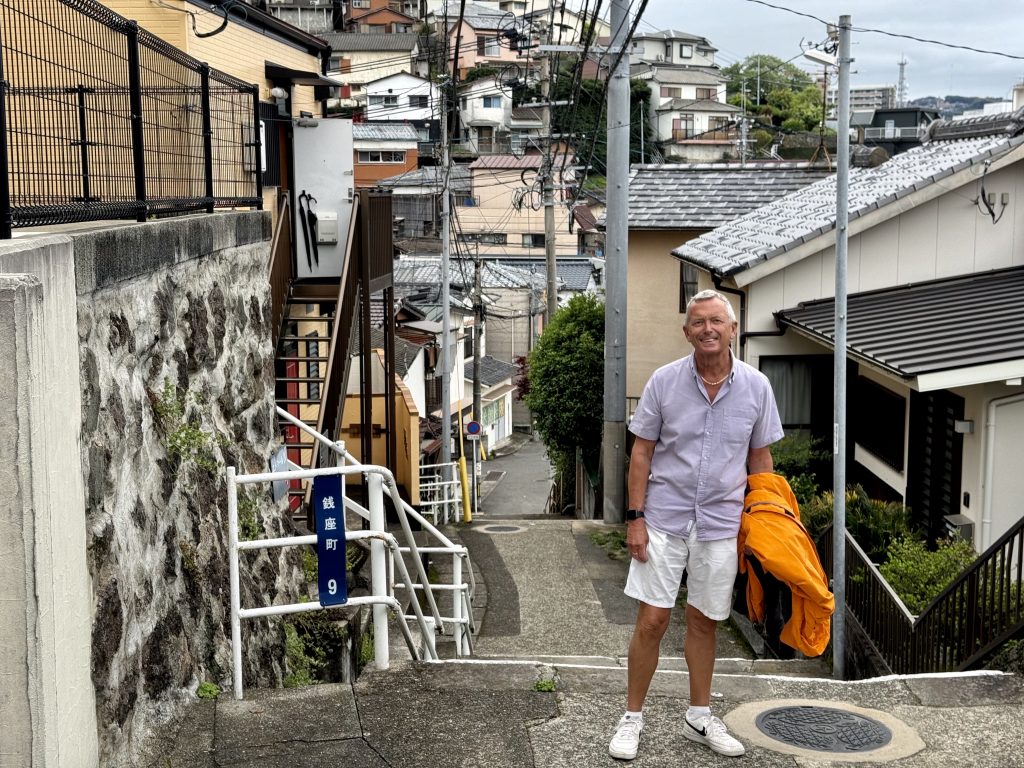
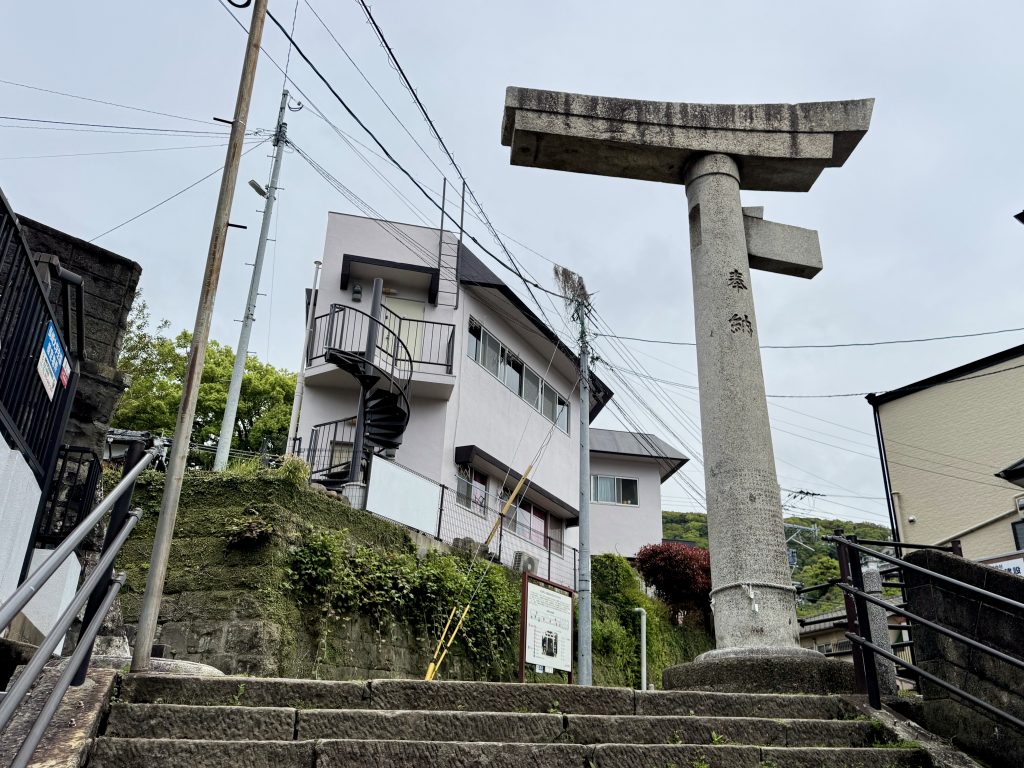
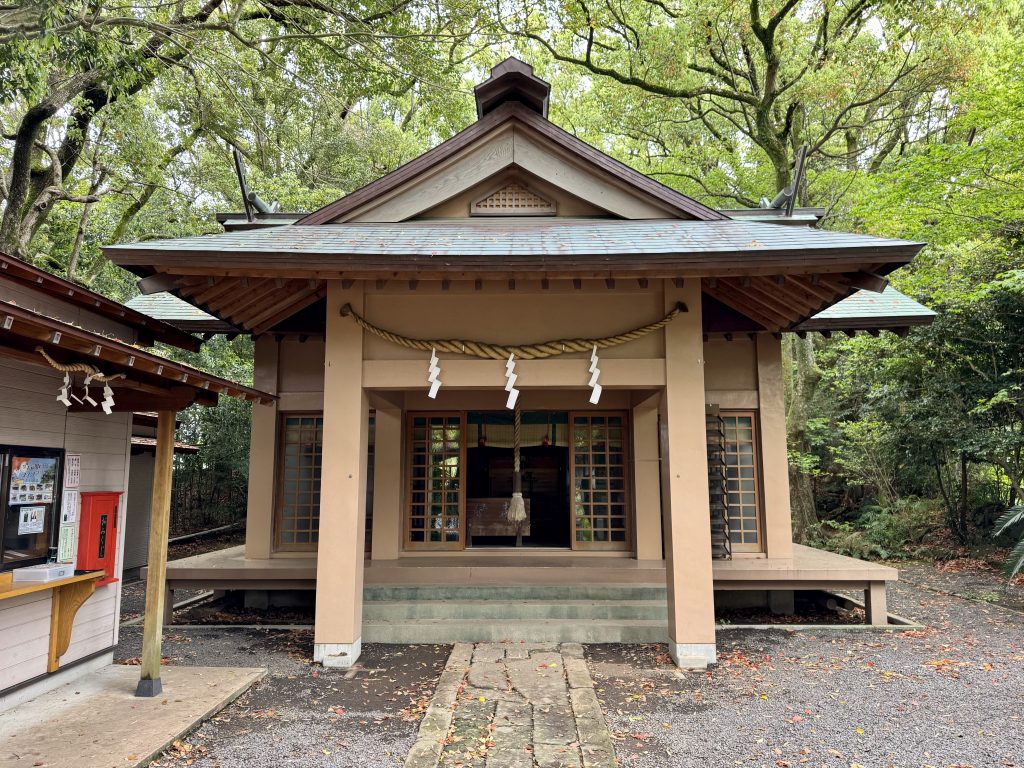
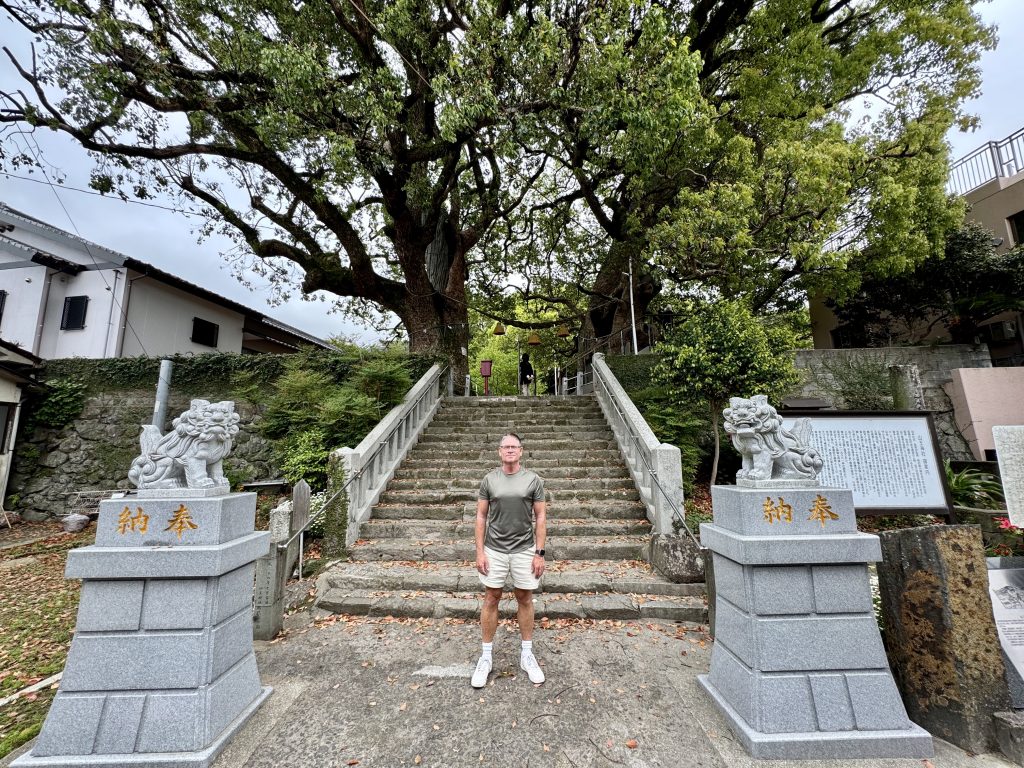
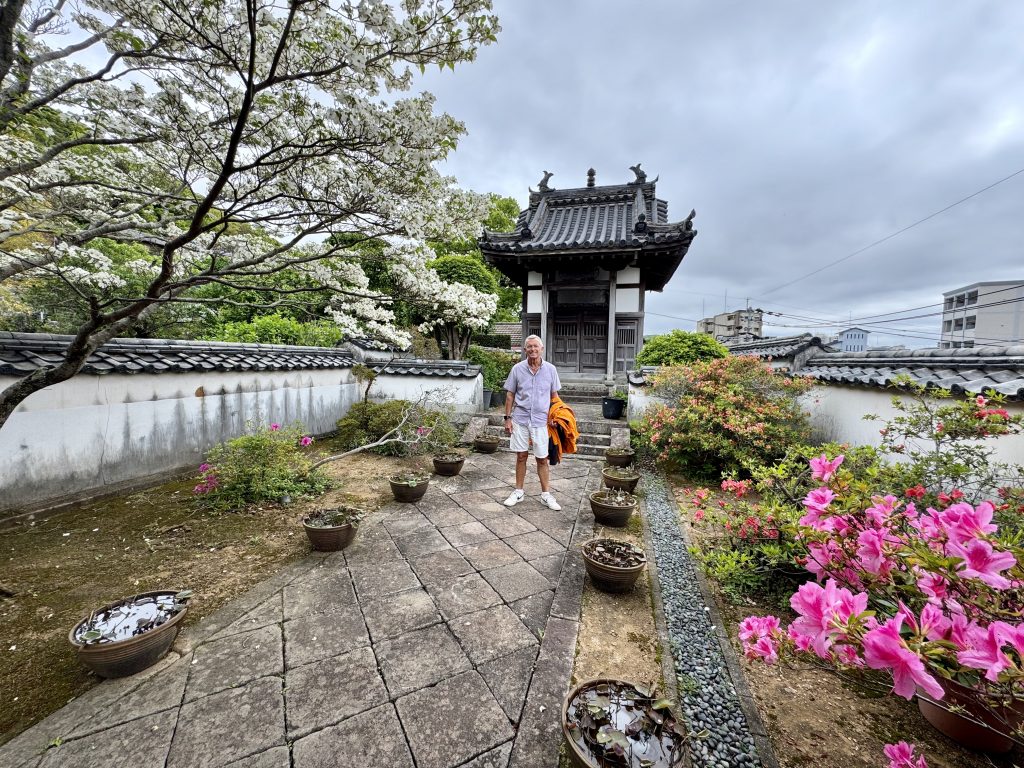
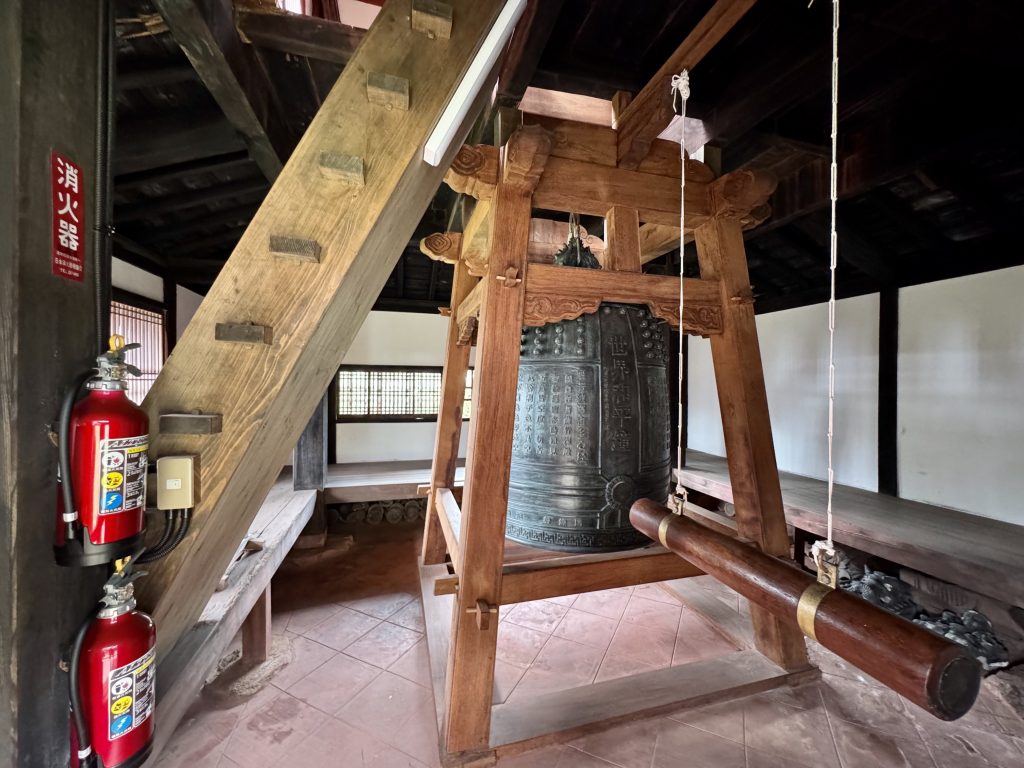
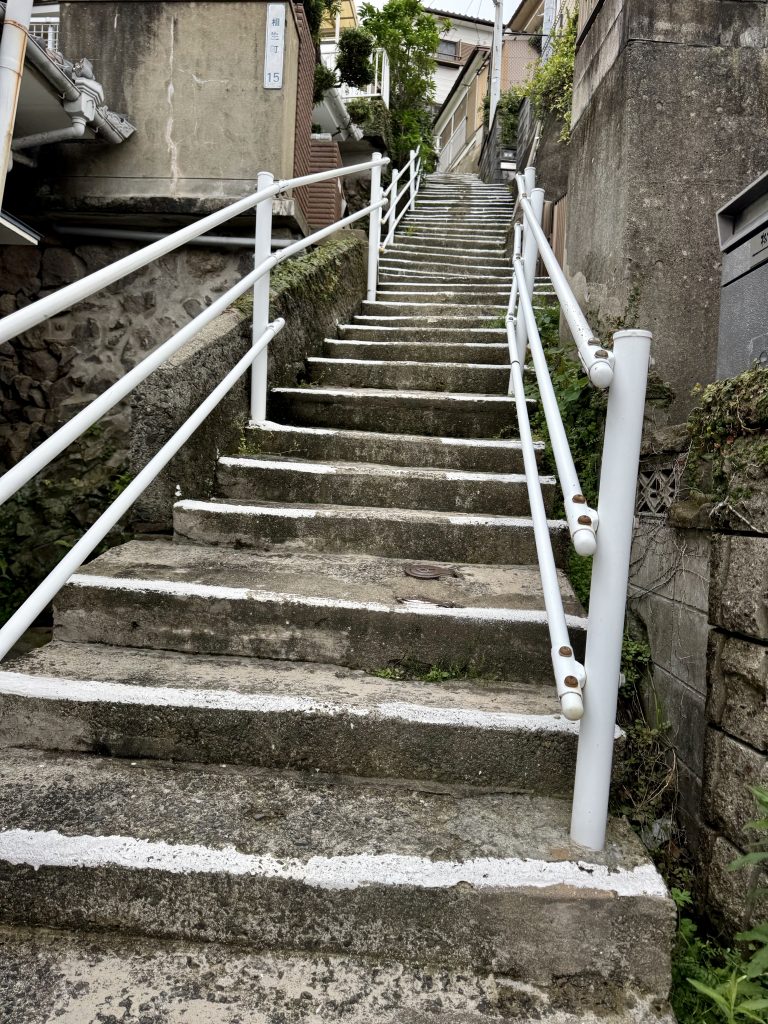
The old road is very narrow and quite endearing although built up it now has some steps along the way. It guides us to a few shrines of distinction as we go. Always interesting, tranquil and thought provoking.
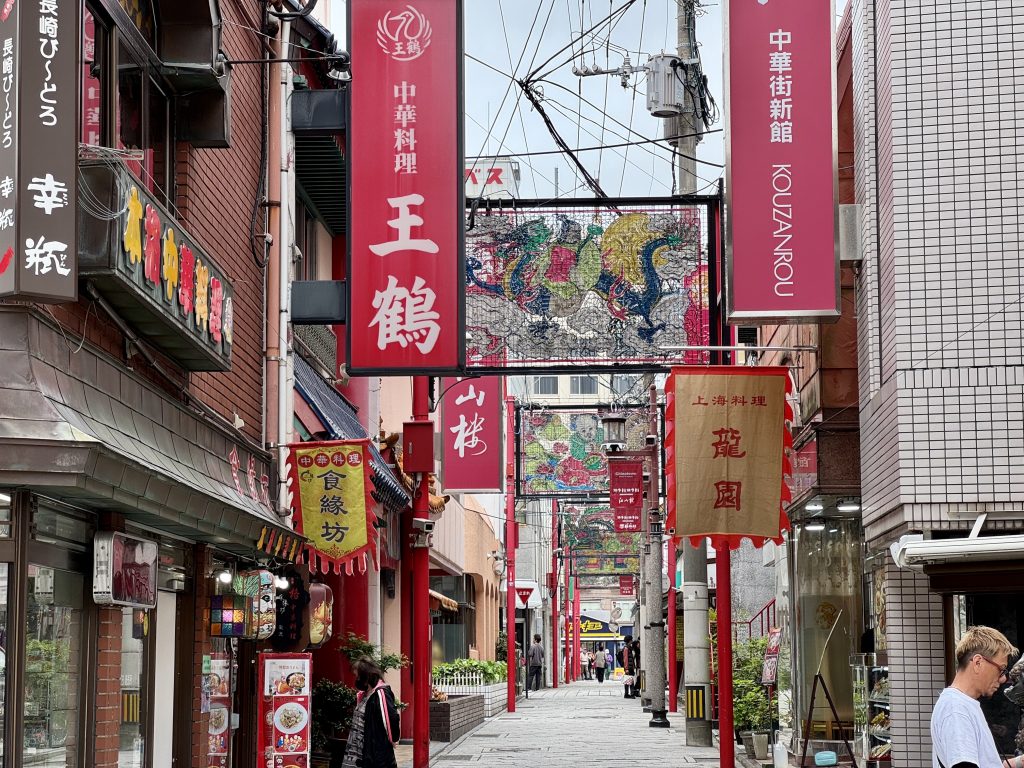
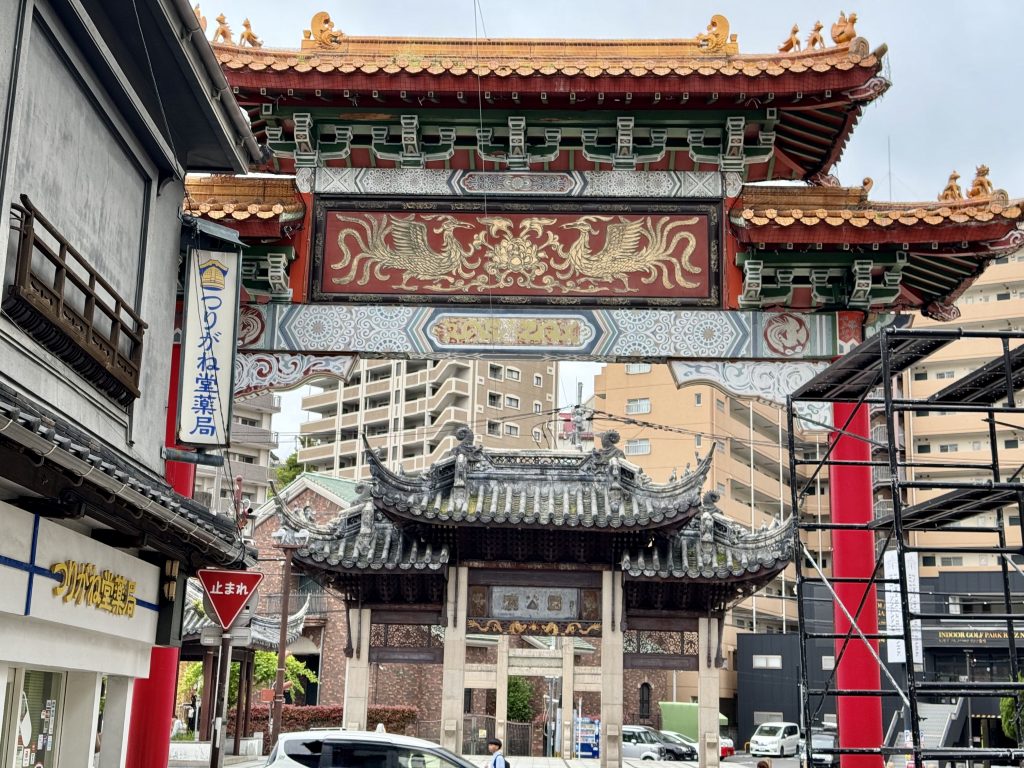
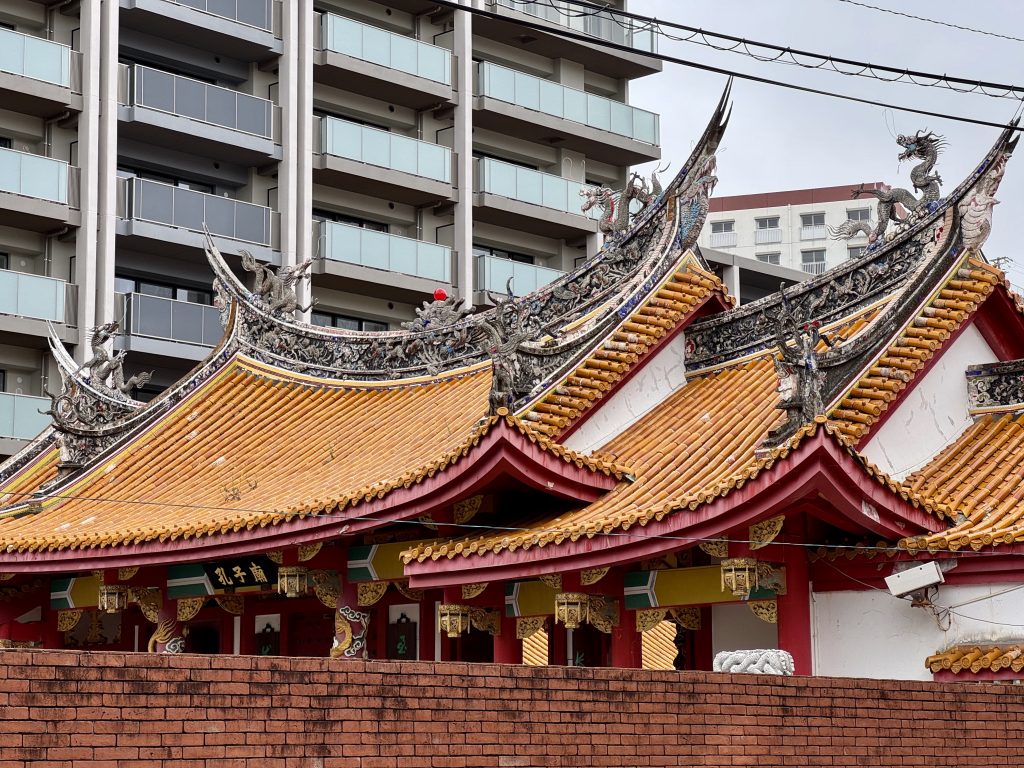
In Chinatown we aim for the Confucius Temple but decide we don’t need to stop, as we’re keen to make our last destination.

So back to my first comment, for us, Nagasaki is the home of Cio Cio San, who dutifully watches over the harbour for three years awaiting the return of her handsome husband Lieutenant Pinkerton. Of course by now he’s a dastardly scoundrel and has married Kate, but doesn’t know he has a son.
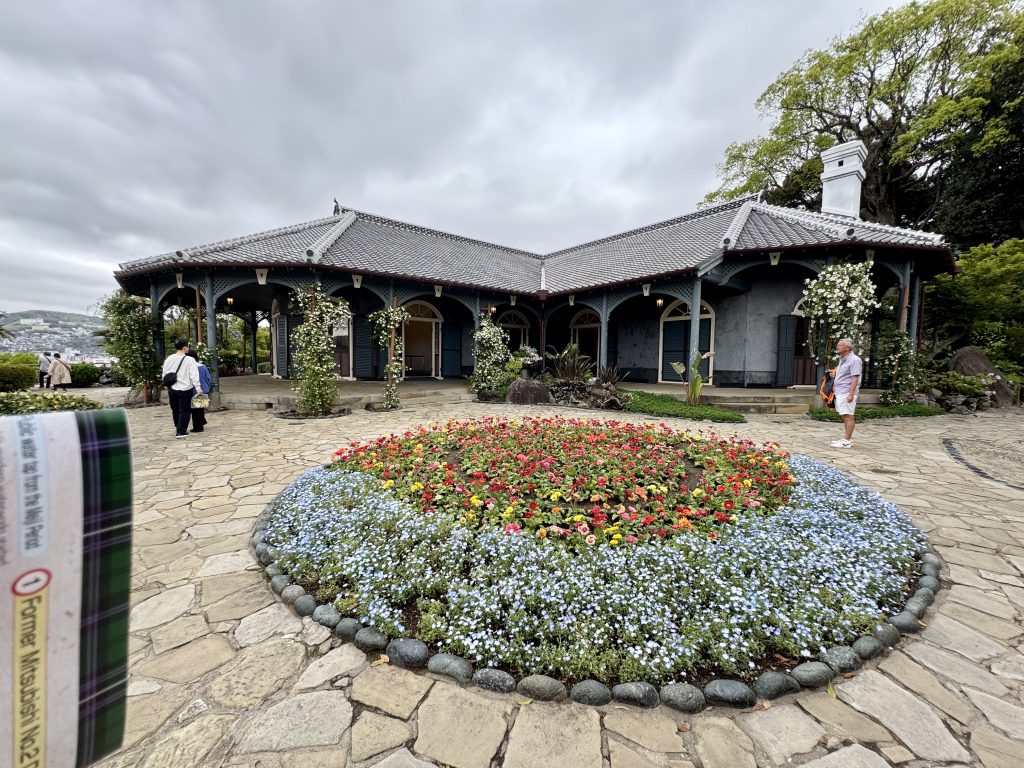
Whether you know this from the wonderful opera, “our” exquisite ballet or the more recent setting as Miss Saigon, the story is emotional and ultimately tragic. Madame Butterfly is of course a fiction, but based upon the original 1887 novel by Pierre Loti, which allegedly references the Glover Family, their house is the inspiration for the very familiar story.
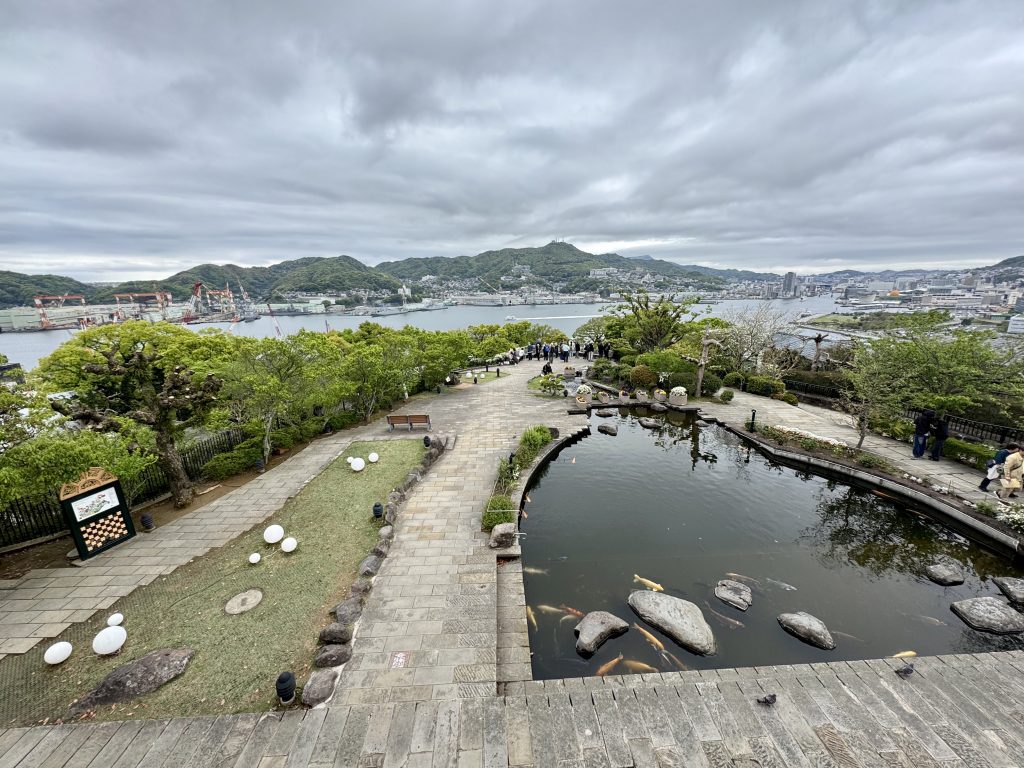
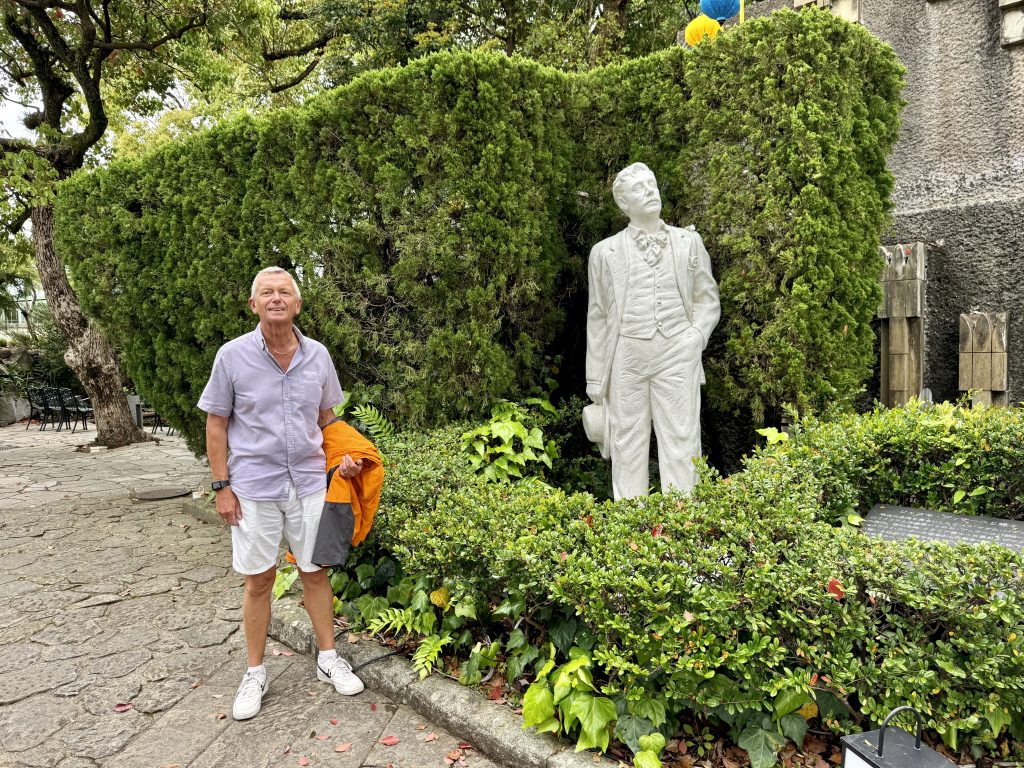
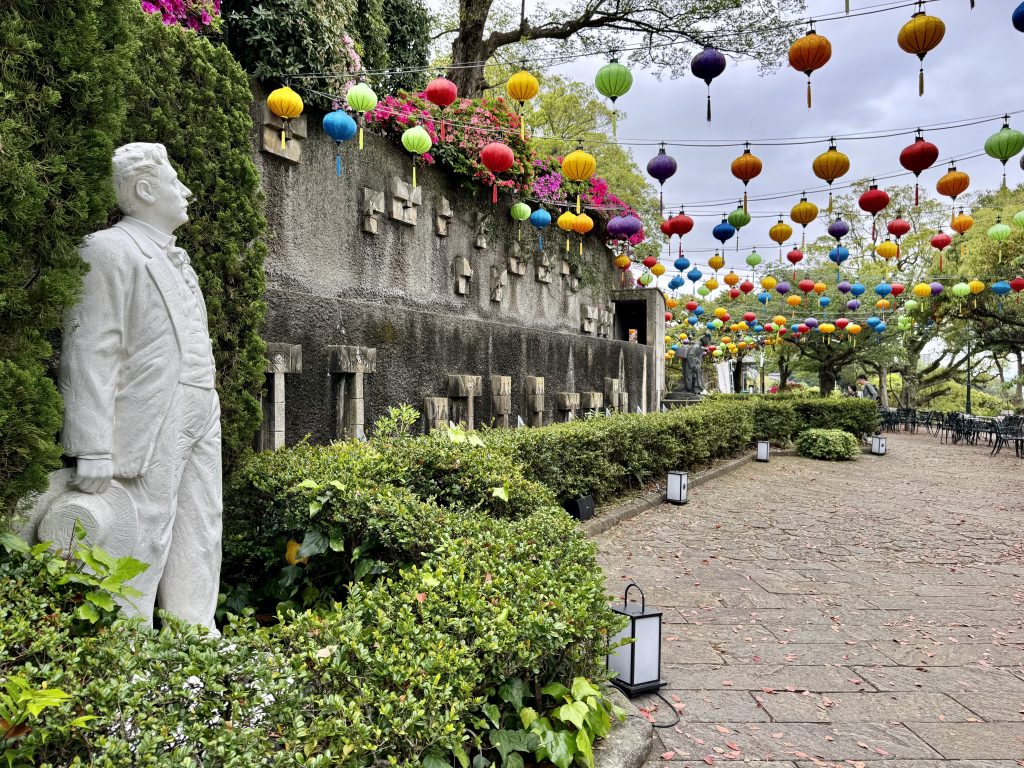
And so we struggled up the 200+ steps to Glover Park (yes there is an escalator and a lift!) to wander around the grounds to find the Puccini statue, before returning back home for a late lunch.

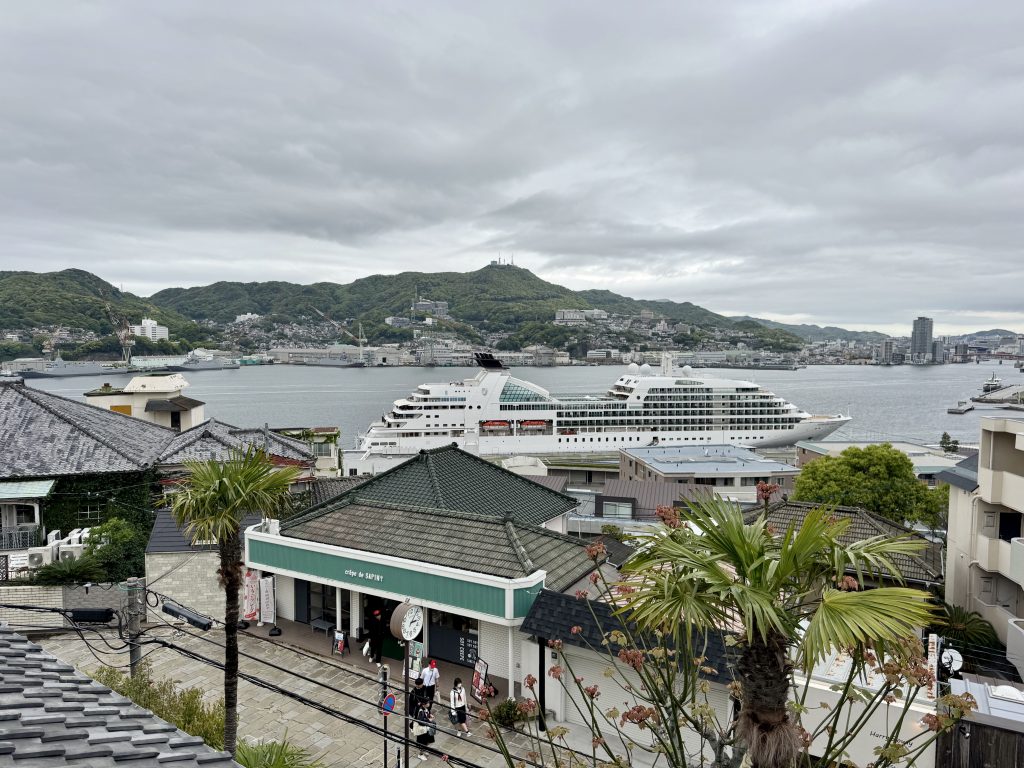

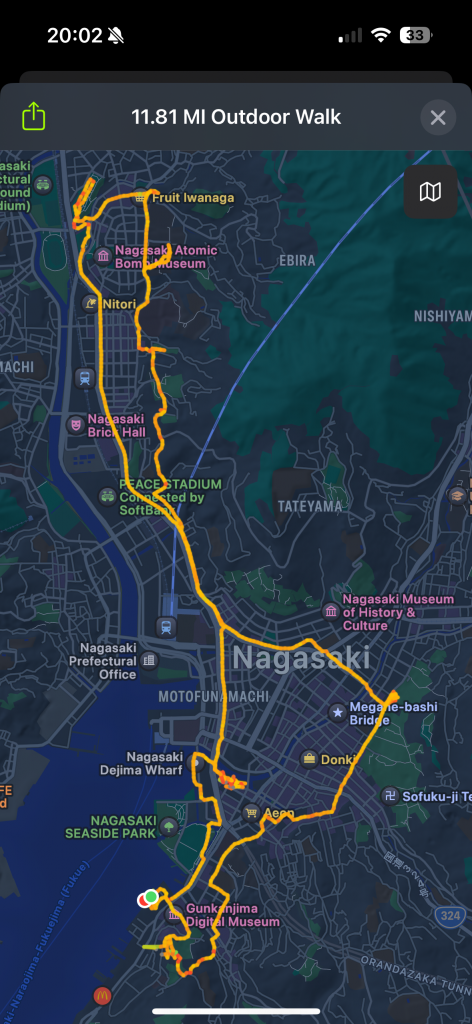
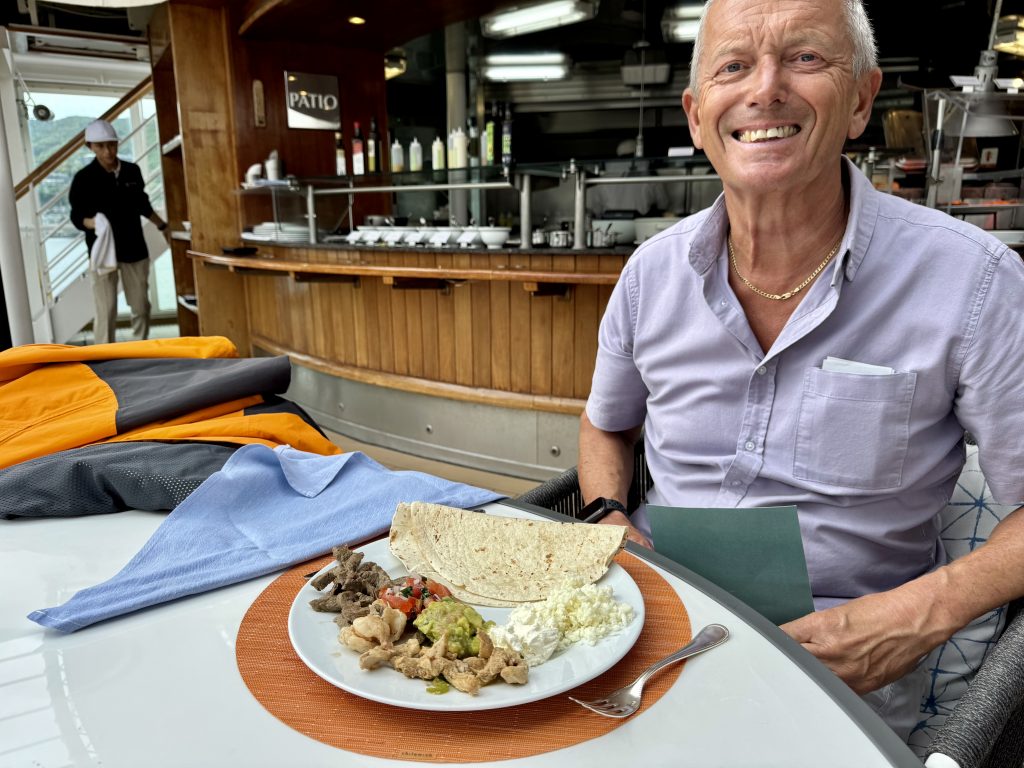
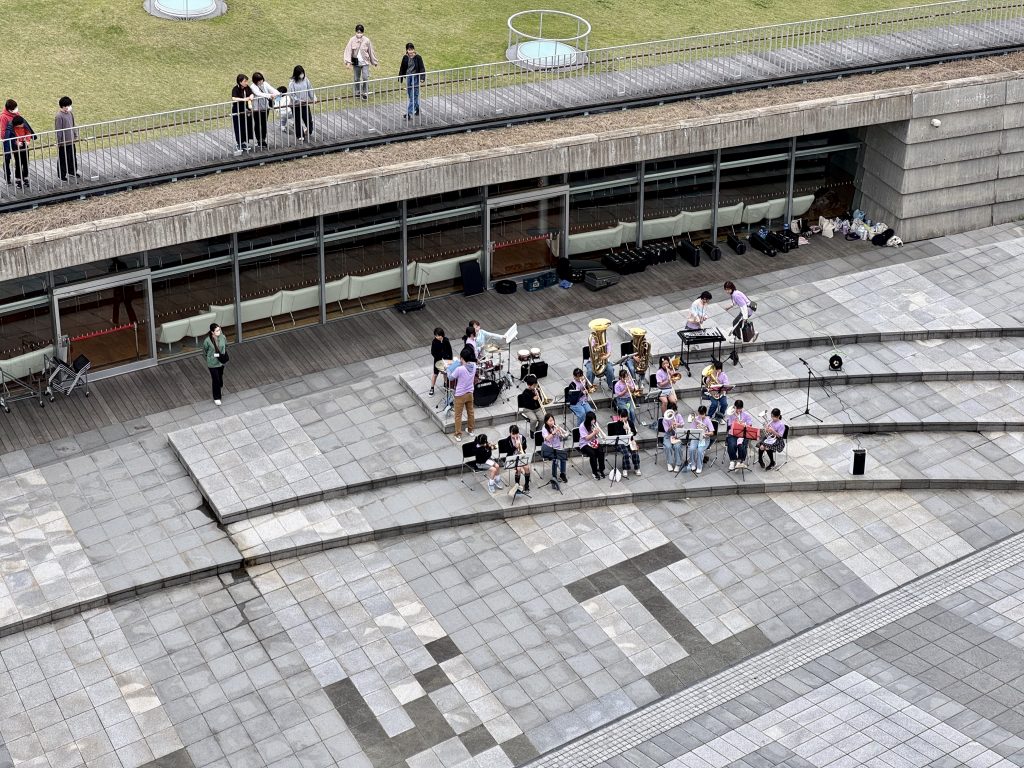
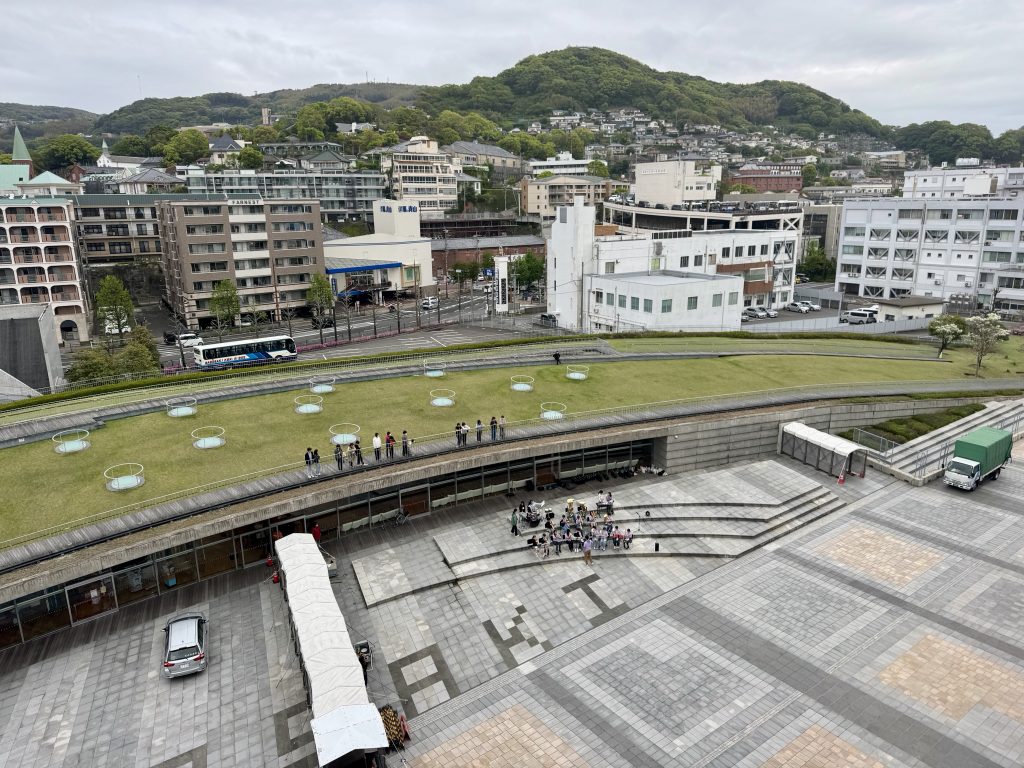
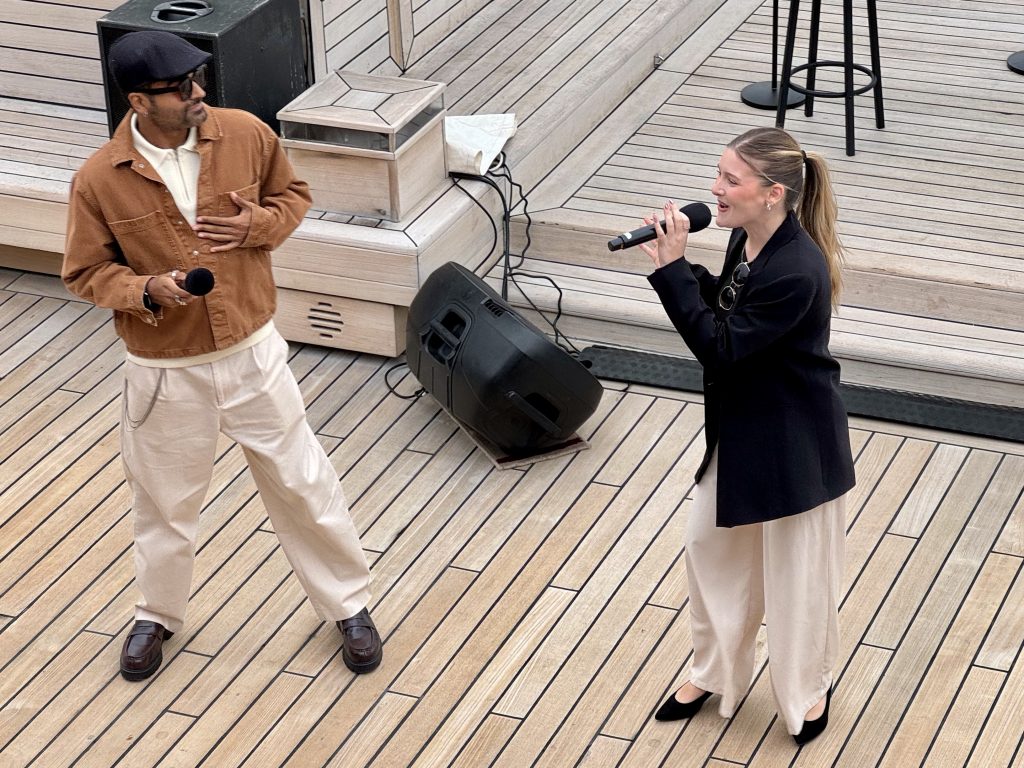
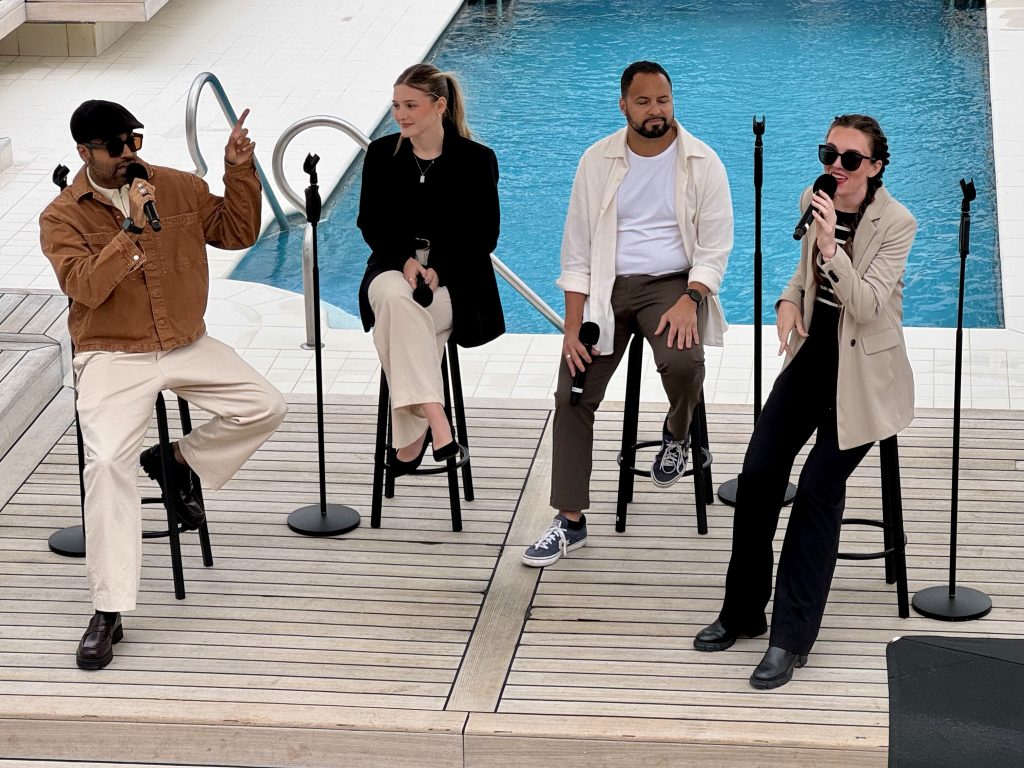
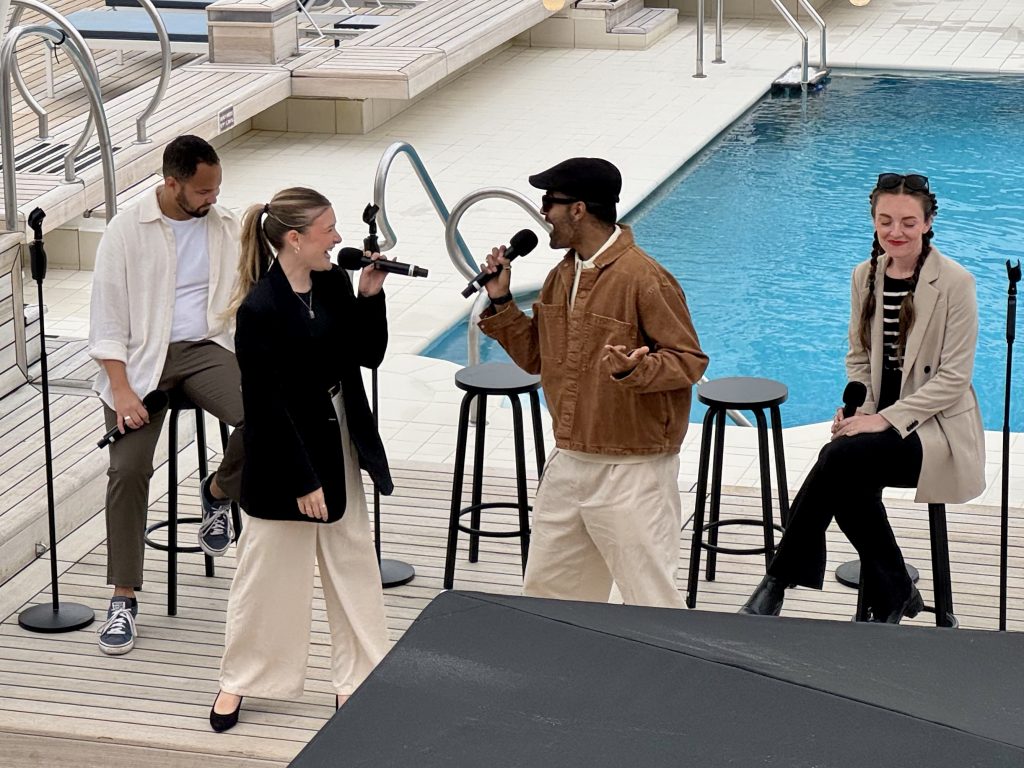
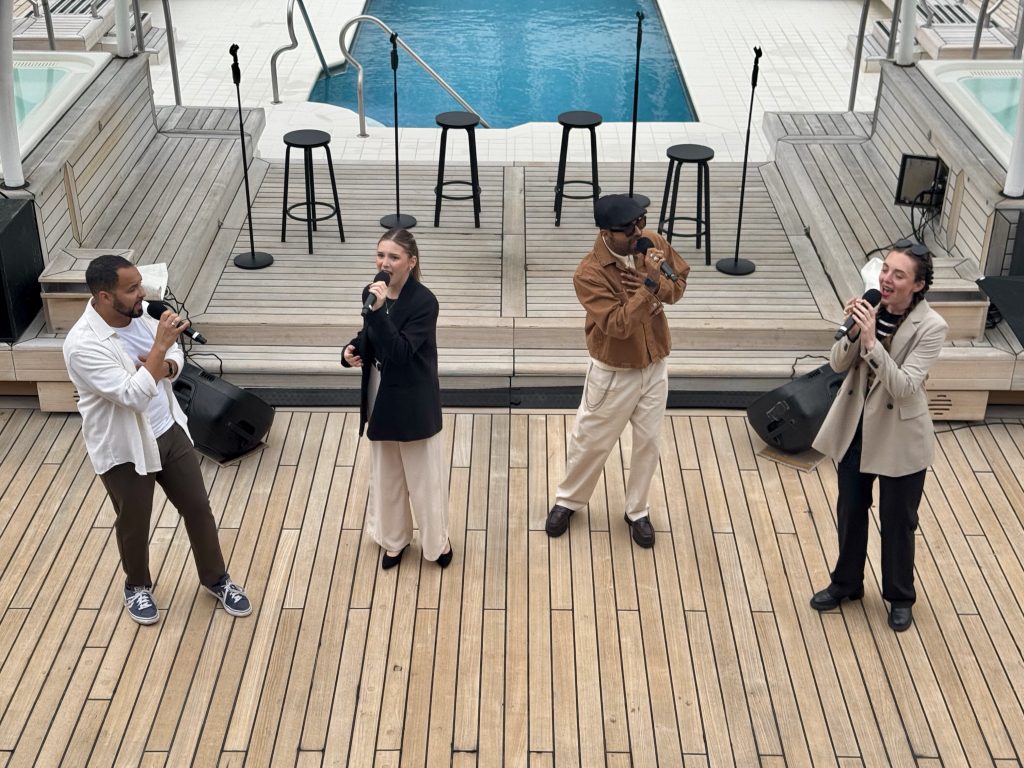
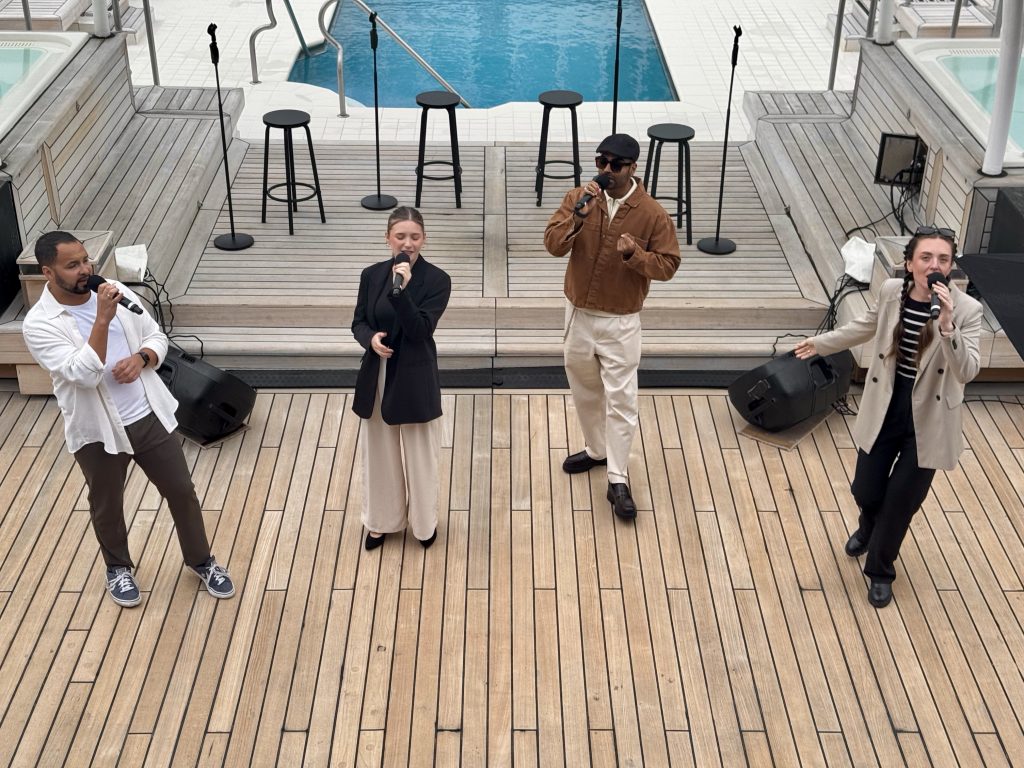
There’s not a lot of afternoon left, just time for a short sailaway concert poolside.

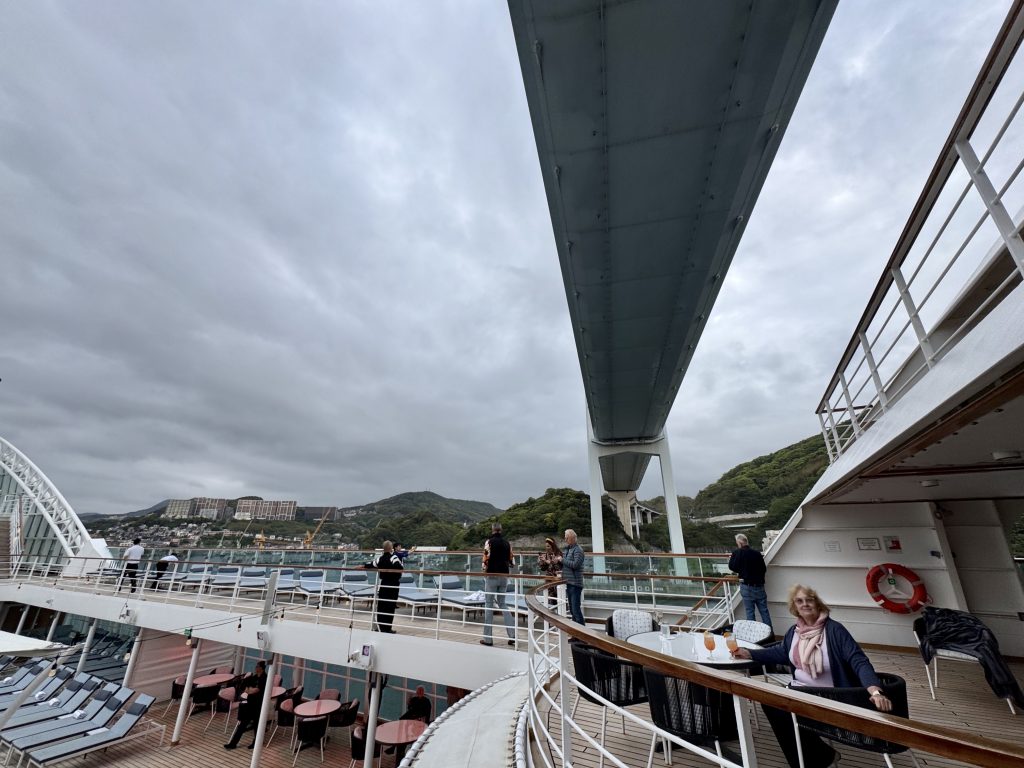
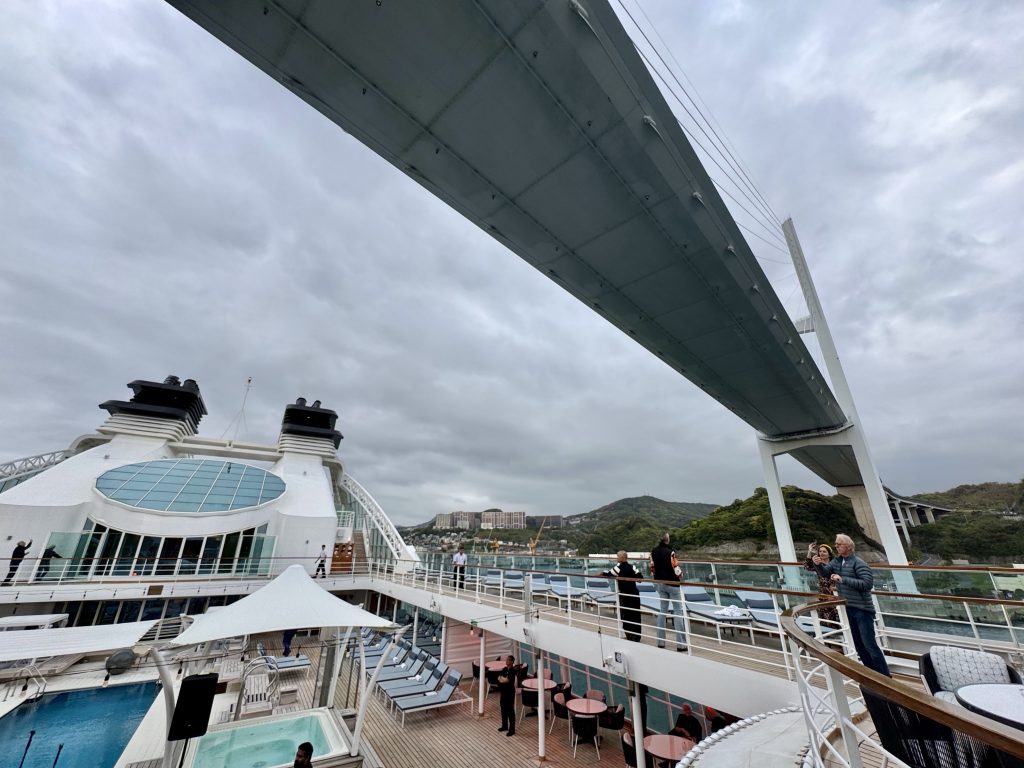
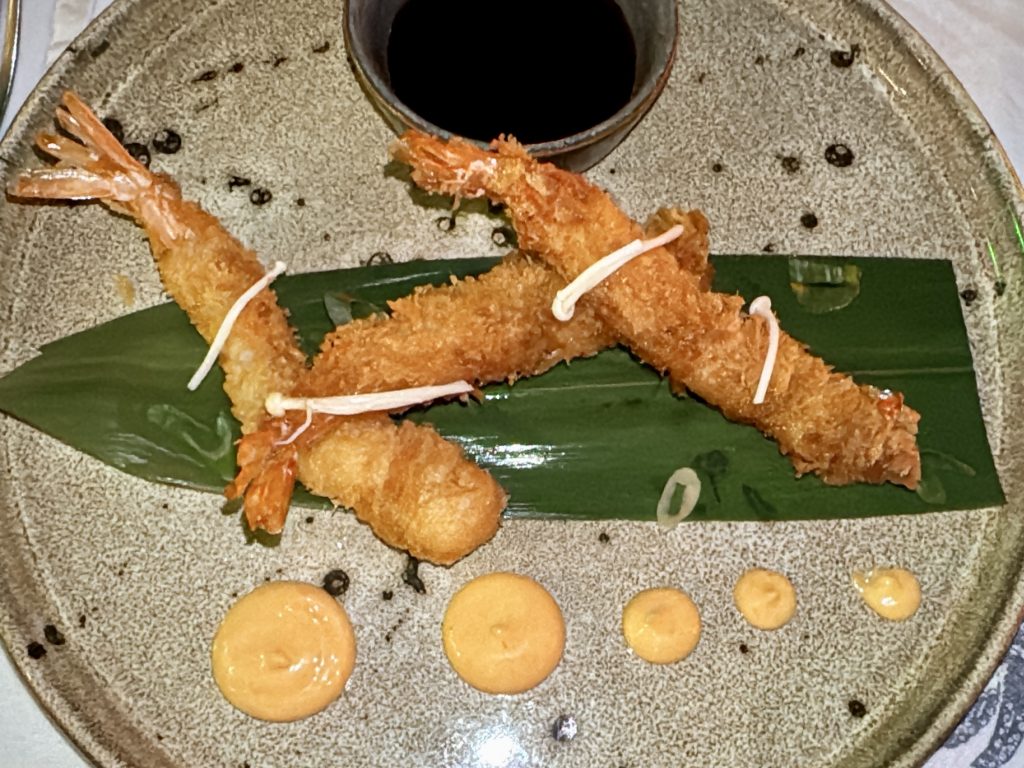
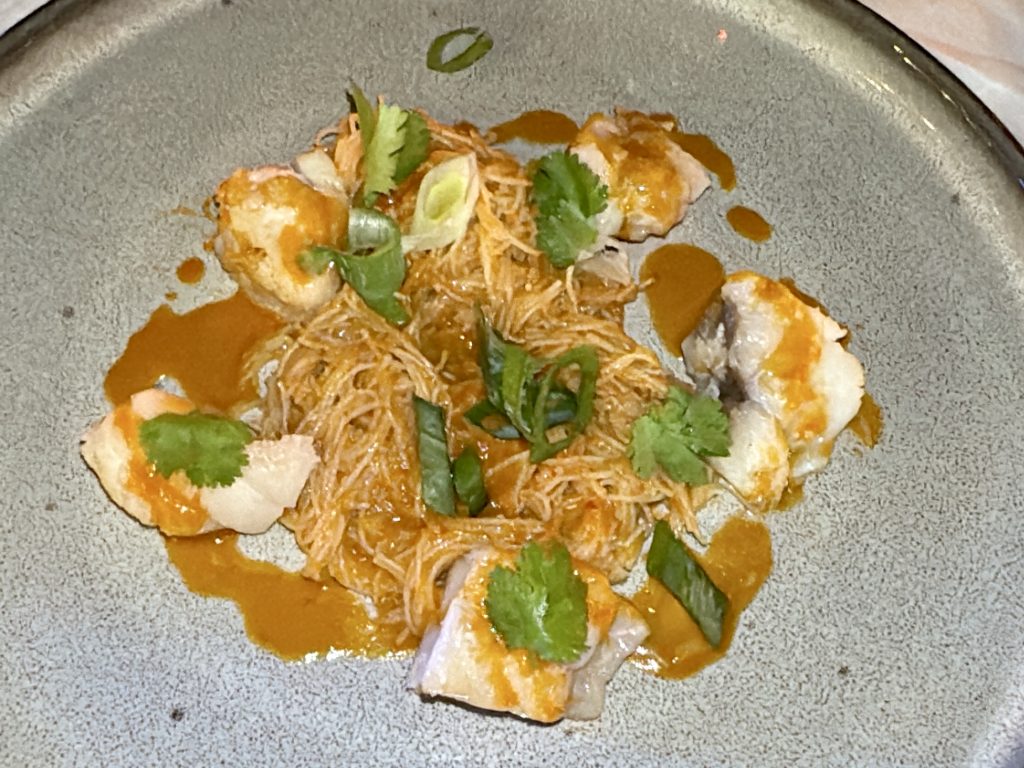
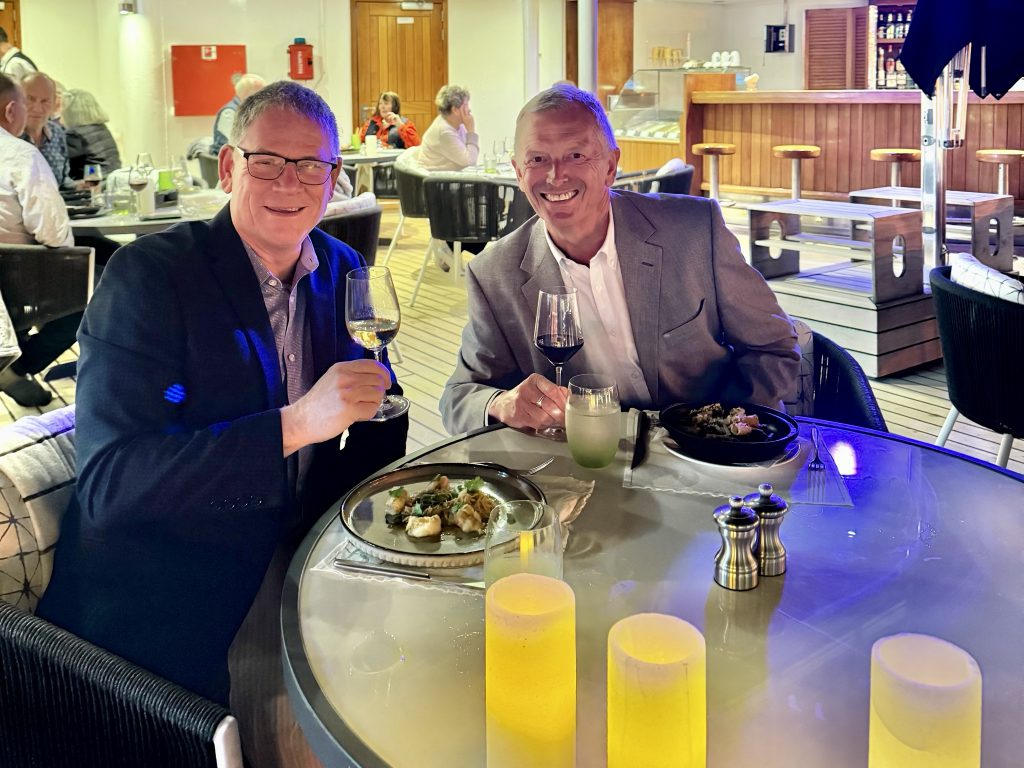
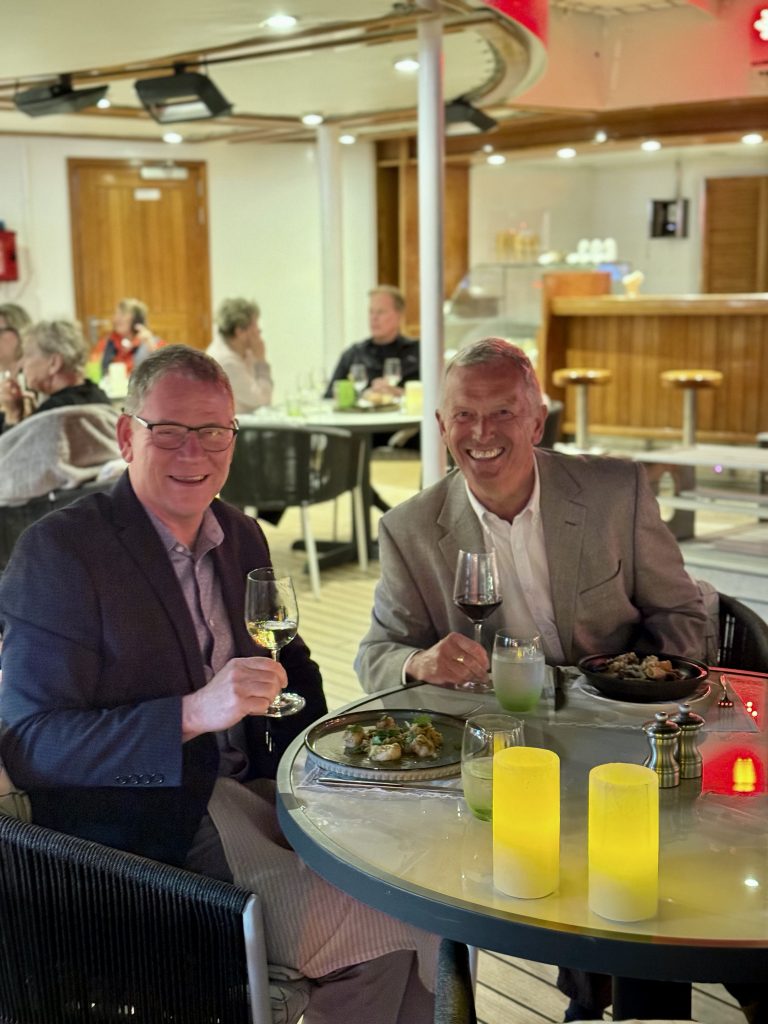
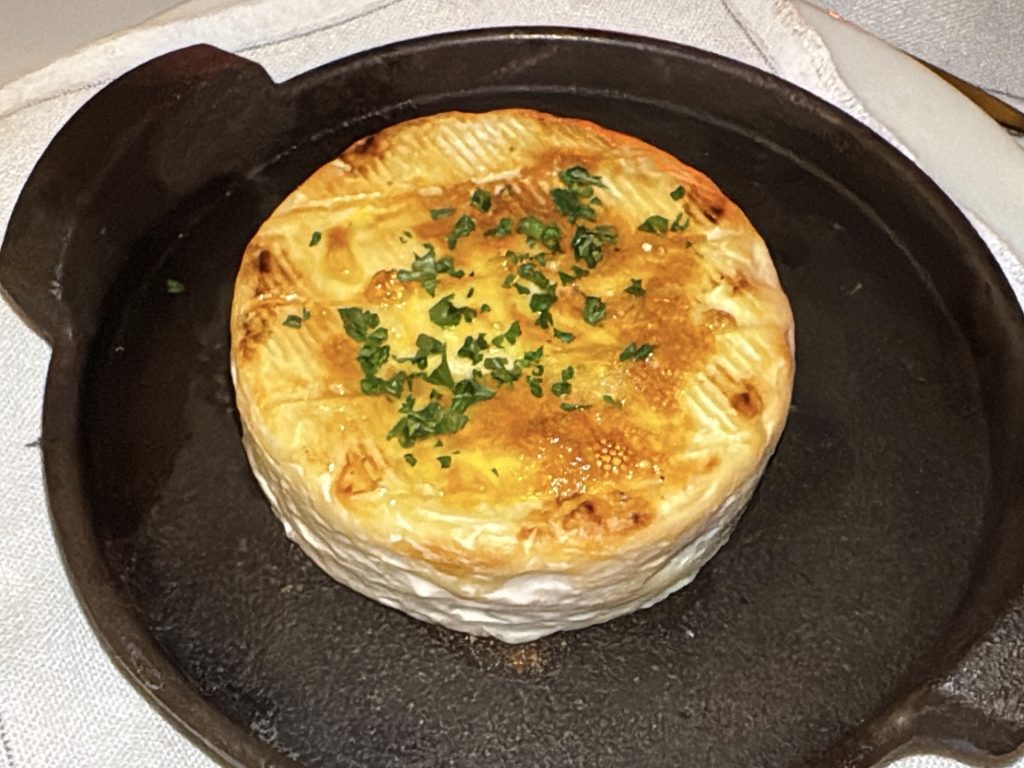
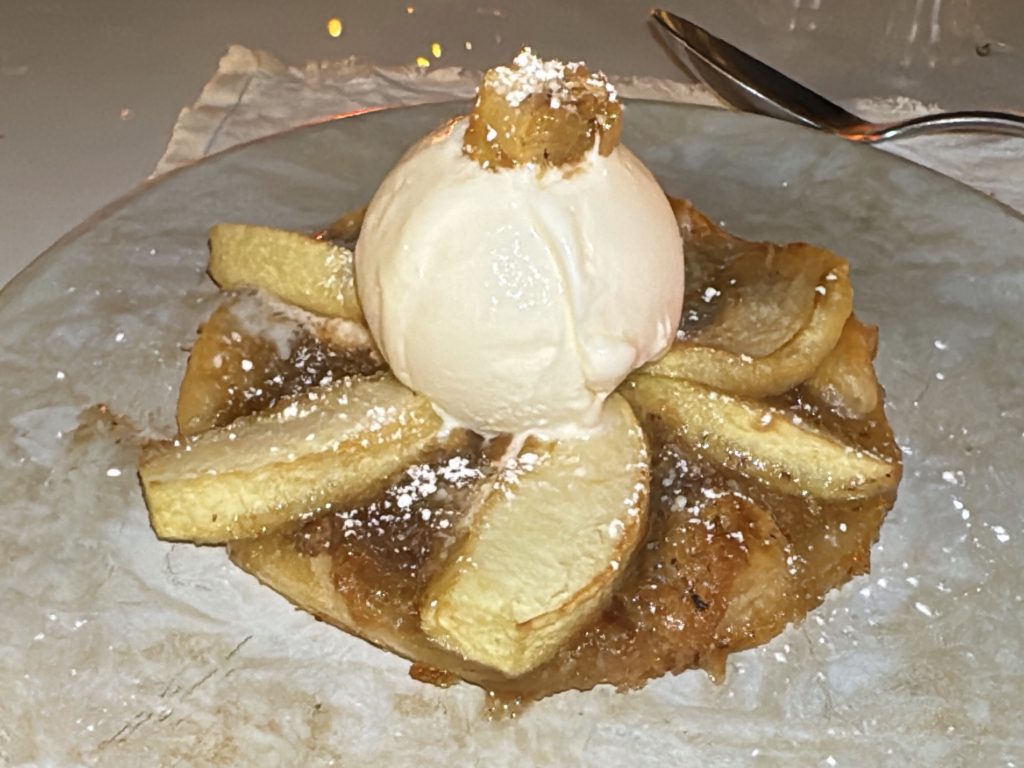
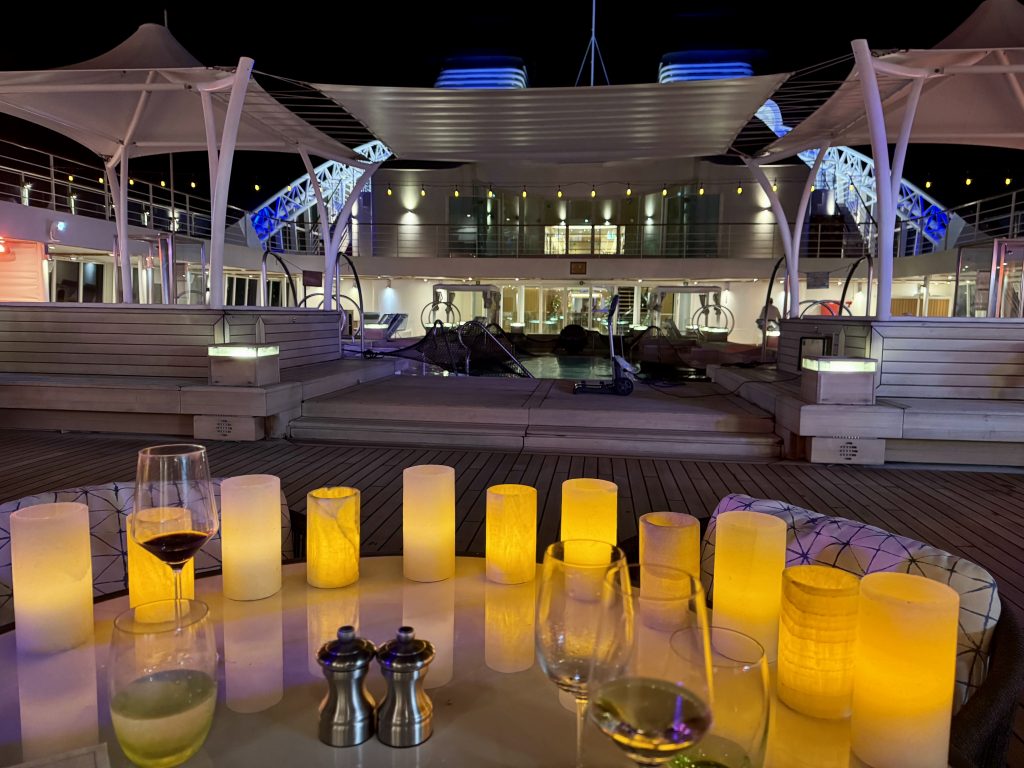
We decide to dine poolside too, it’s cool but not cold and we enjoy Panko prawns, rib pasta / turbot noodles, share a baked Camembert, finishing with apple tarte – a fabulous menu. Judith and Dev look after us well, and steal the phone for a selfie!


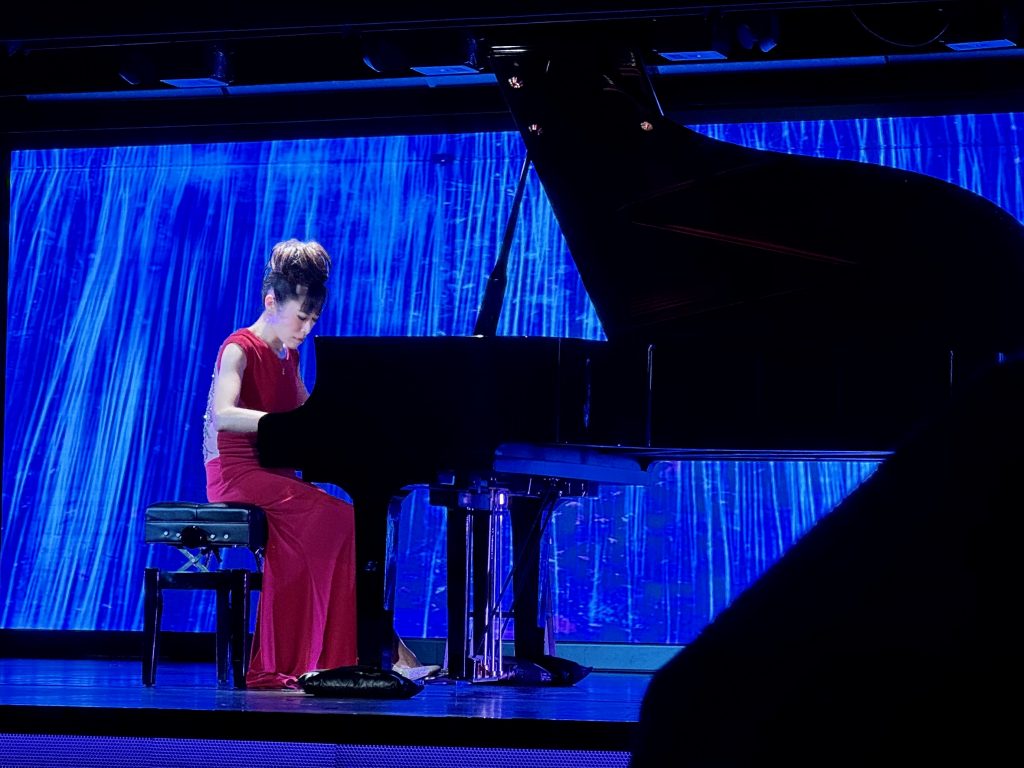
It’s the second show for classical pianist Asia Ijiri, we missed her first one because of the timing. Tonight is Chopin, Prokofiev and Liszt.