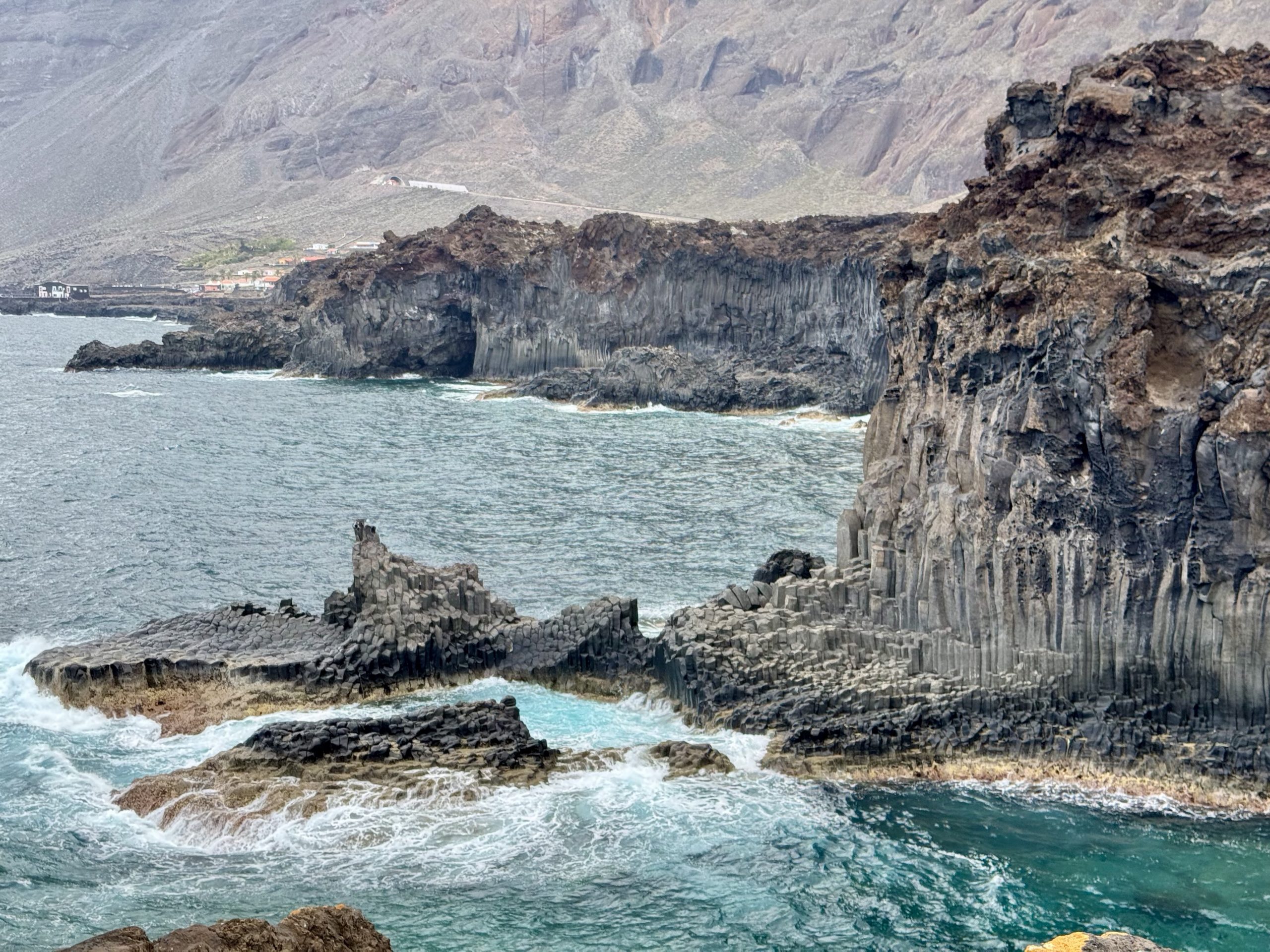
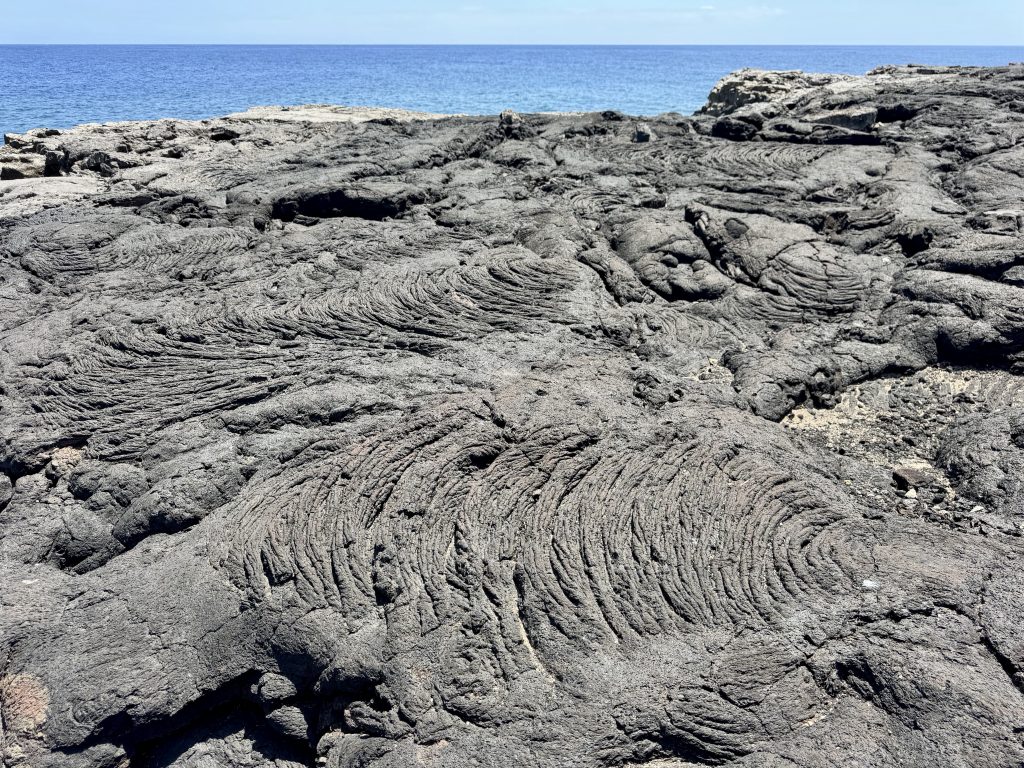
It’s probably time to talk about geology, in particular vulcanology.
I’m sure I’ve mentioned before that Lanzarote and Fuerteventura are the oldest islands of the Canaries? These two are born around 15.5 million years ago, followed a million years later by Gran Canaria. It takes until 11.9 million years ago for Tenerife to be born, although not as we know her today, that only happens 3 million years ago – but I digress.
9.5 million years ago La Gomera pops up out of the ocean, and then it goes quiet for a long long time. At a mere 1.8 million years ago La Palma is born, and only 1.1 million years ago El Hierro joins the clan, the youngest island of the archipelago.
Because it’s not been worn down by millions of years of weather, El Hierro has a dramatic profile, much more that nearly all the other islands. Getting from A to B involves some very circuitous routes, and we start by heading all the way North past the airport to cross over to the North Western shore. Here we find the world’s official smallest hotel on the wildly inaccurately named Punta Grande.
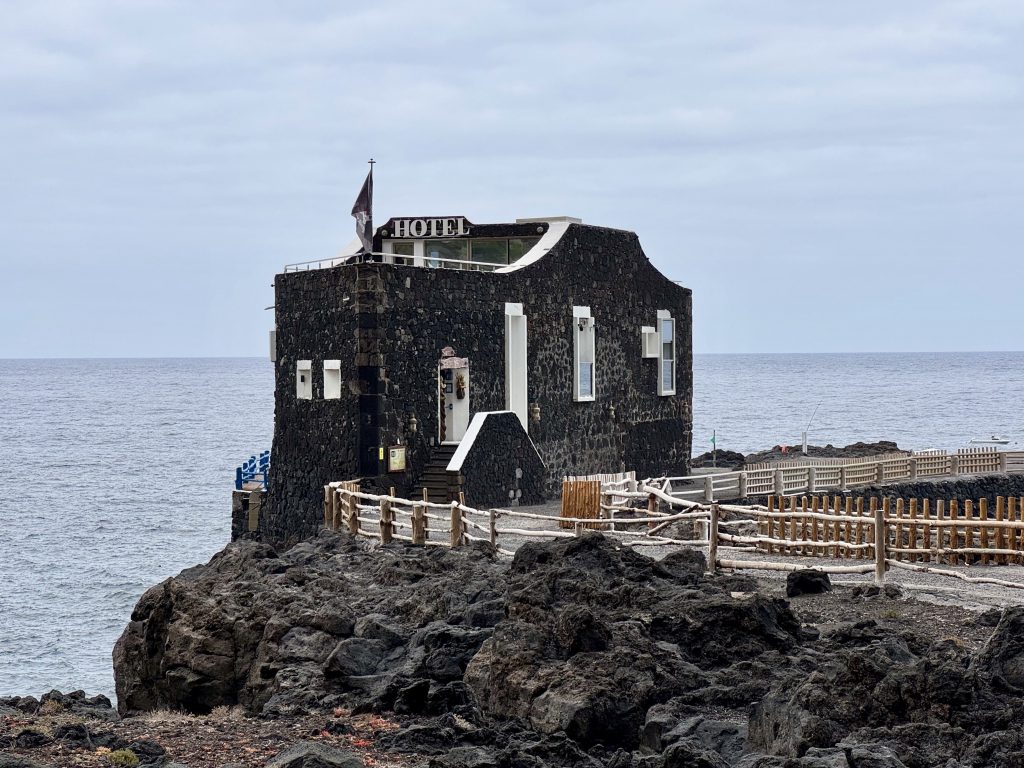
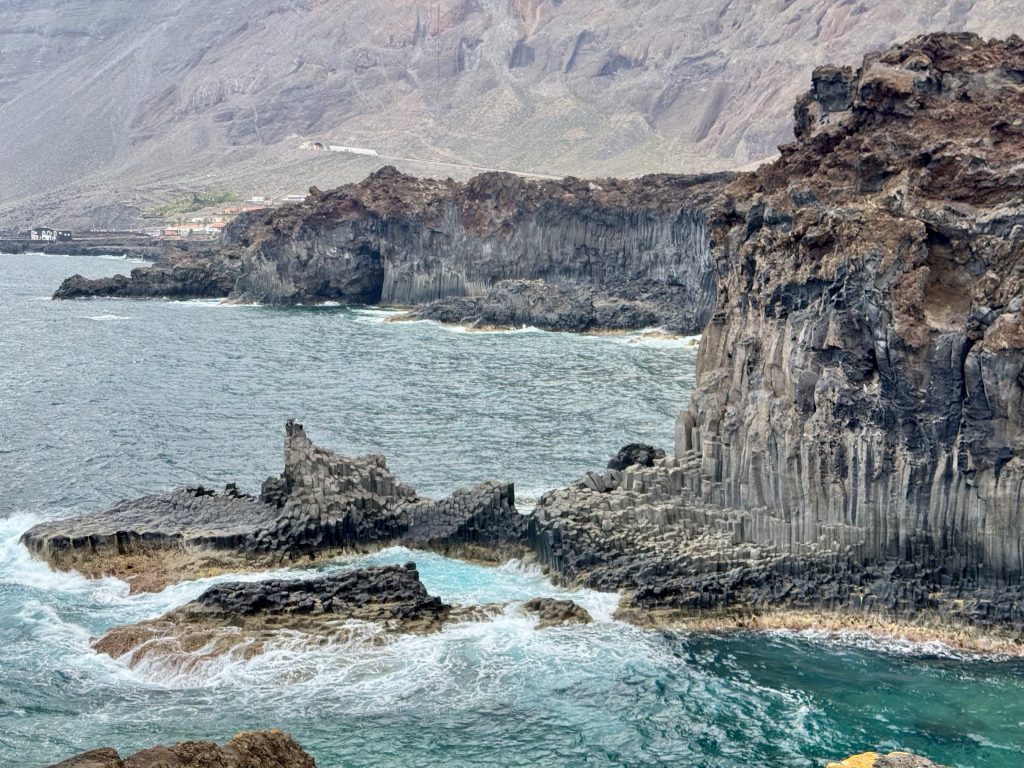
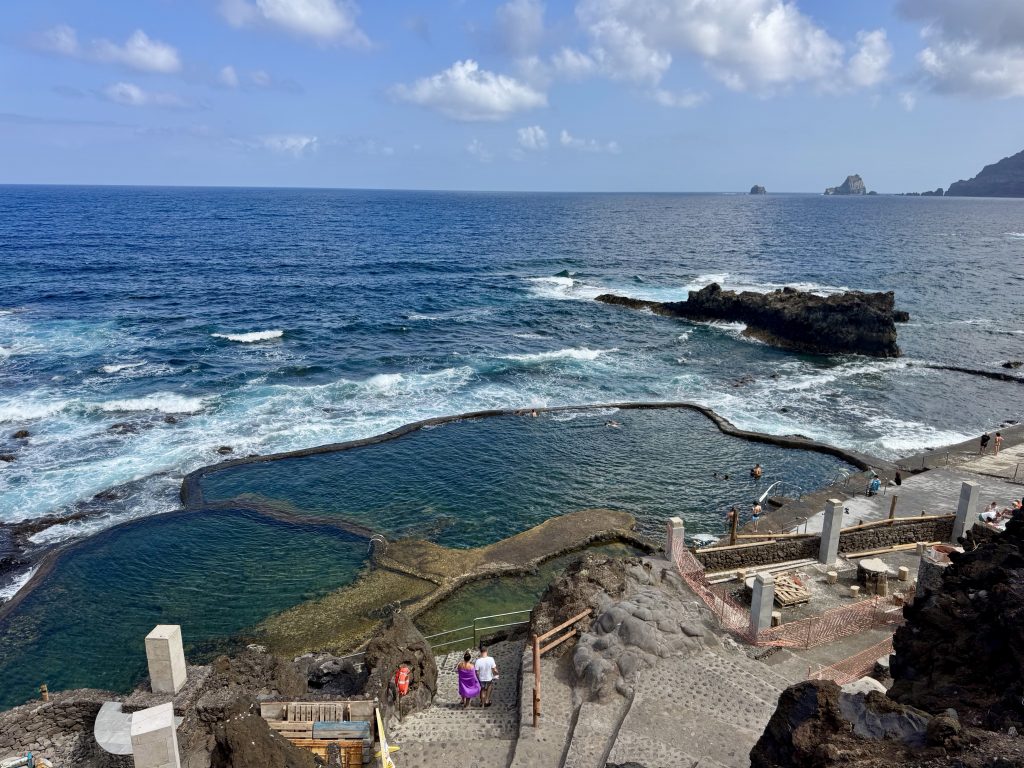
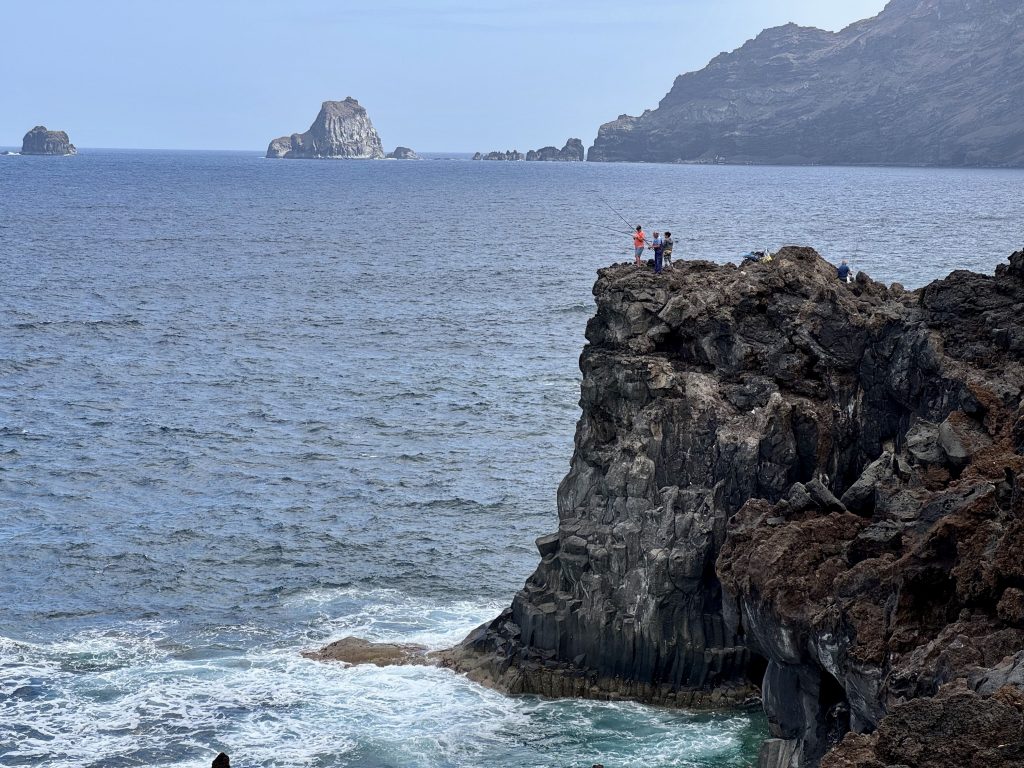
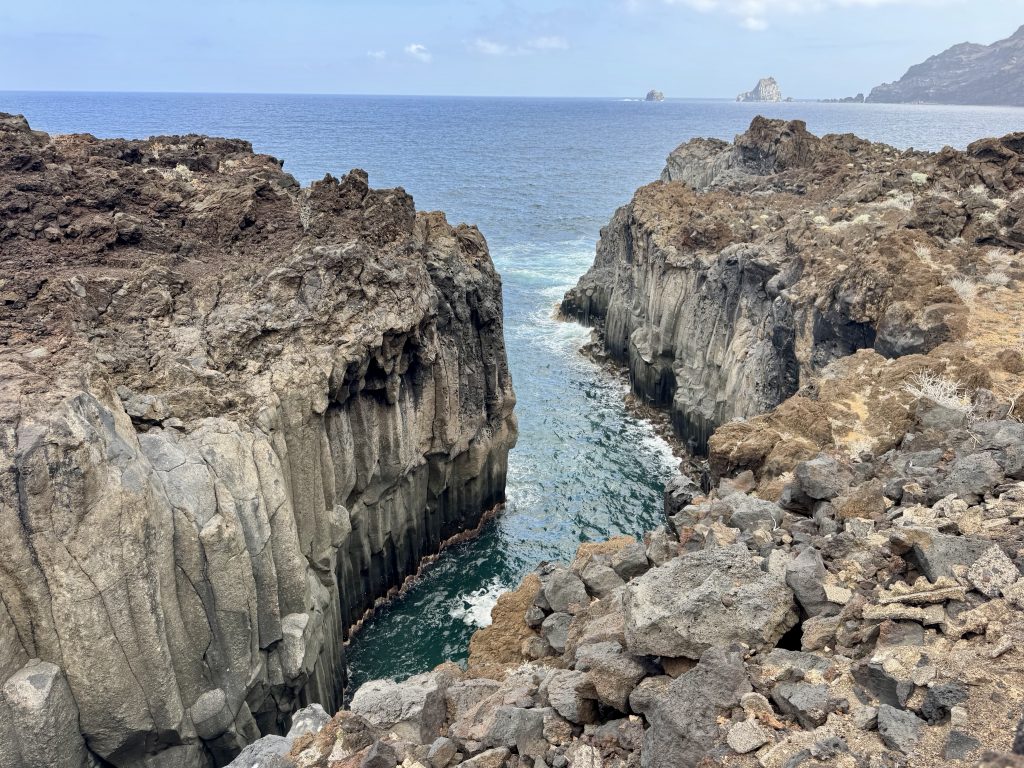
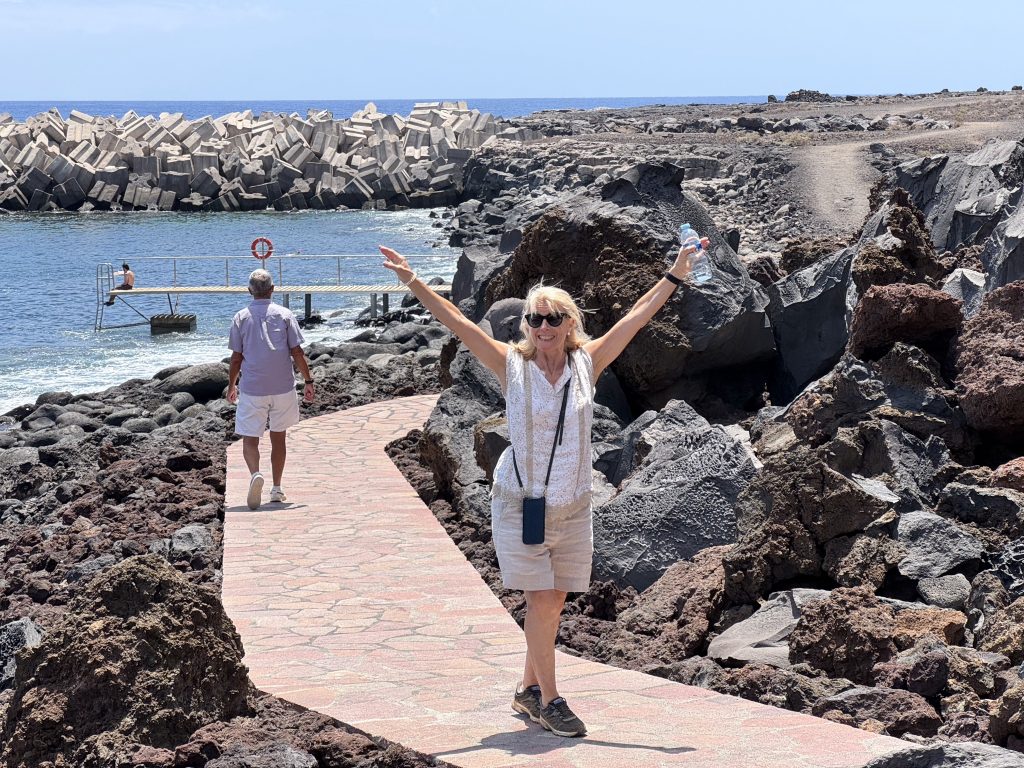
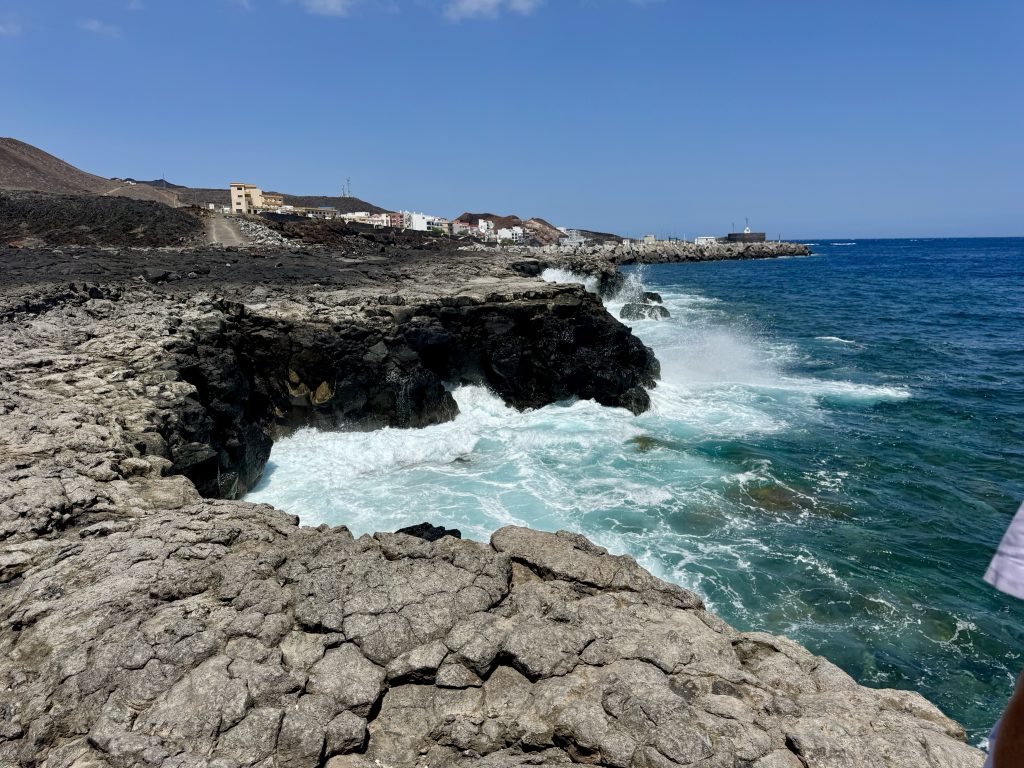
Form here we take the 3.5 km coastal walk from which can see the amazing basalt columns, just like the Giant’s Causeway in Ireland. We see many incredible lava formations as we walk, including naturally occurring swimming pools.
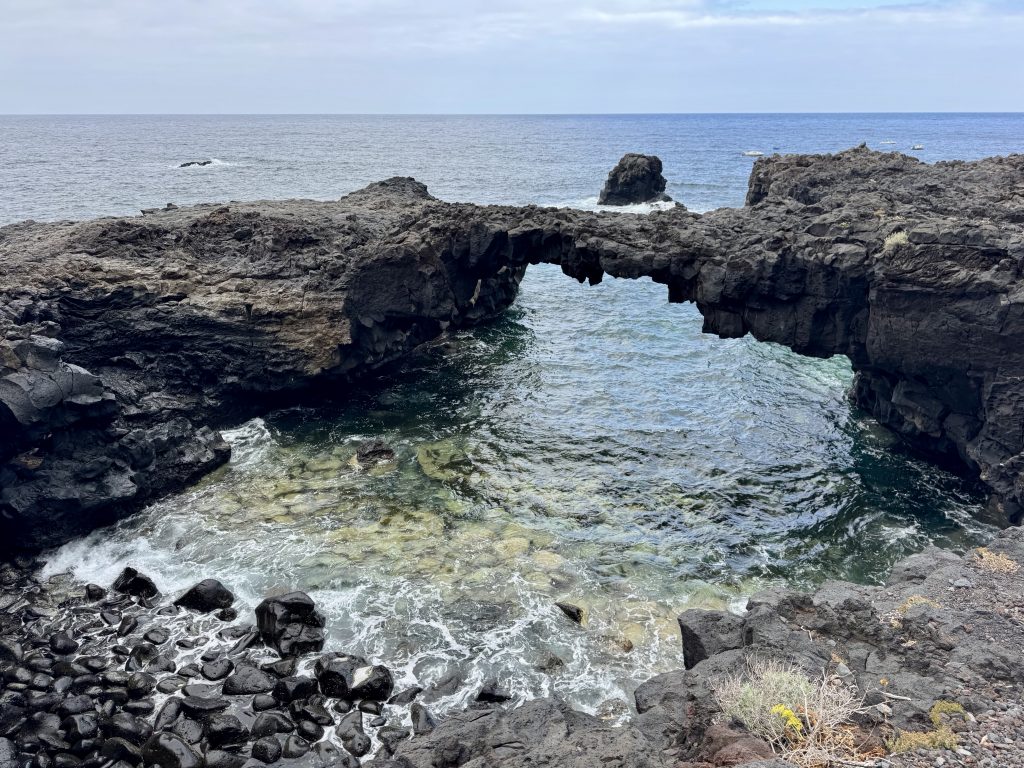
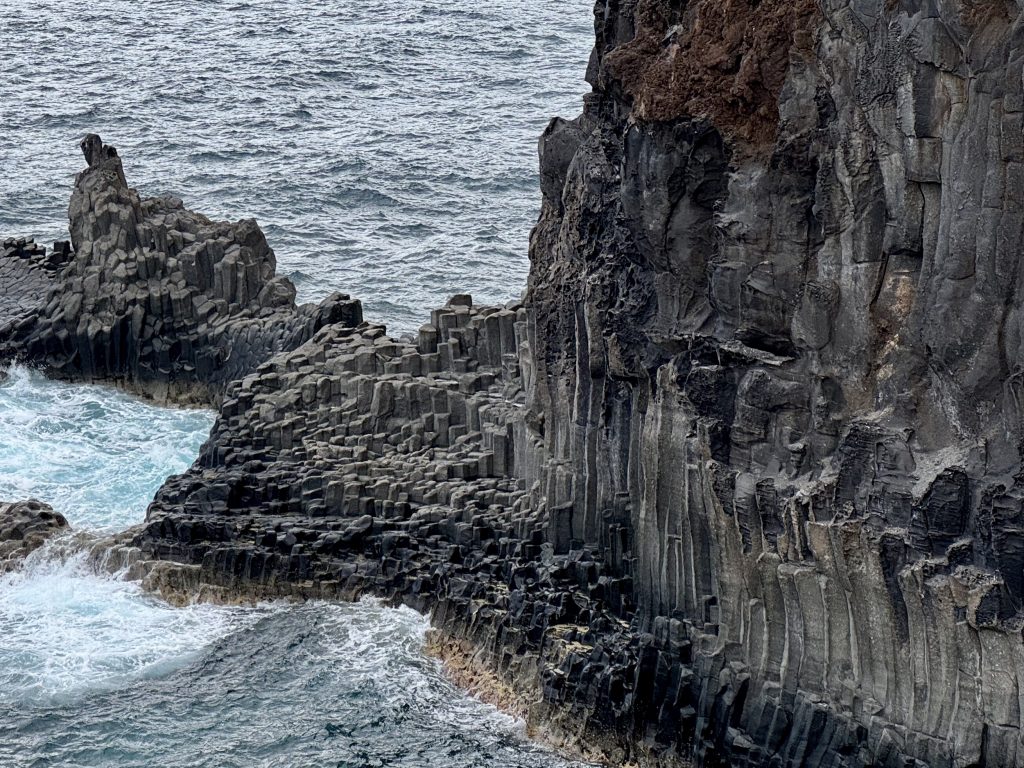
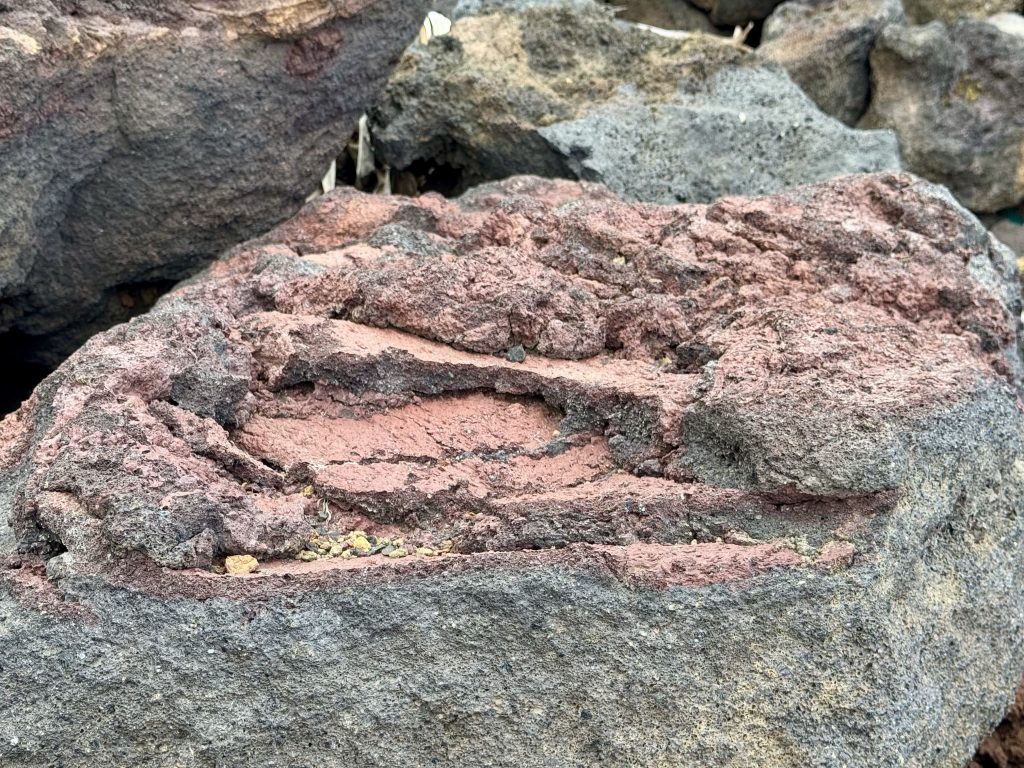
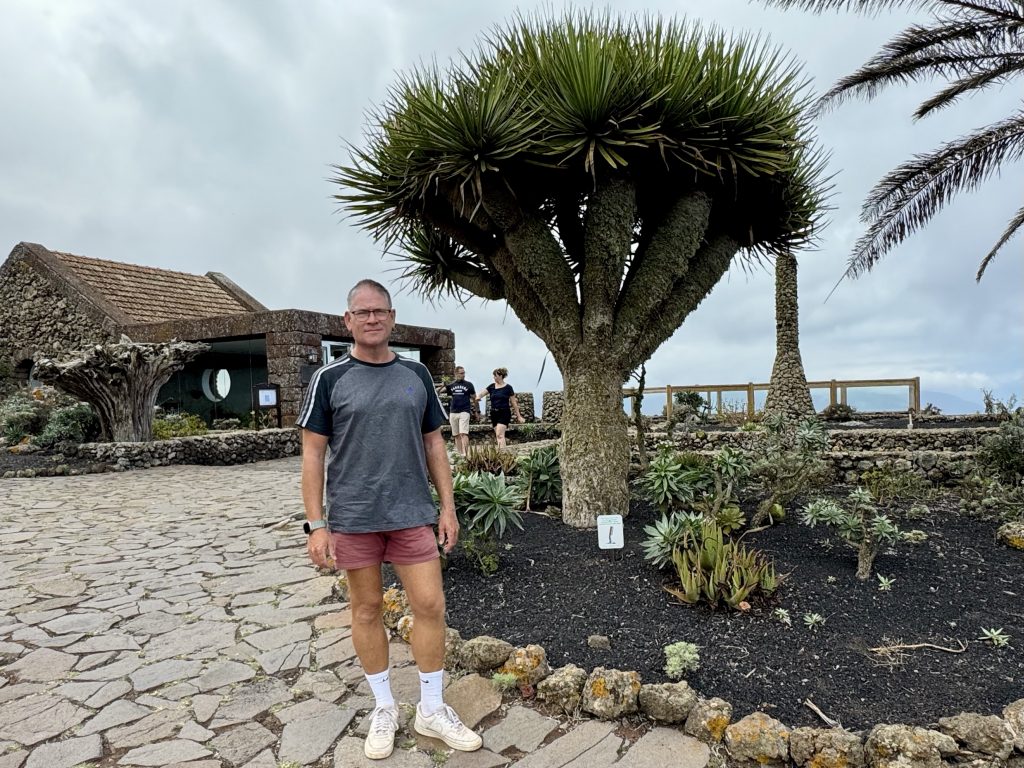
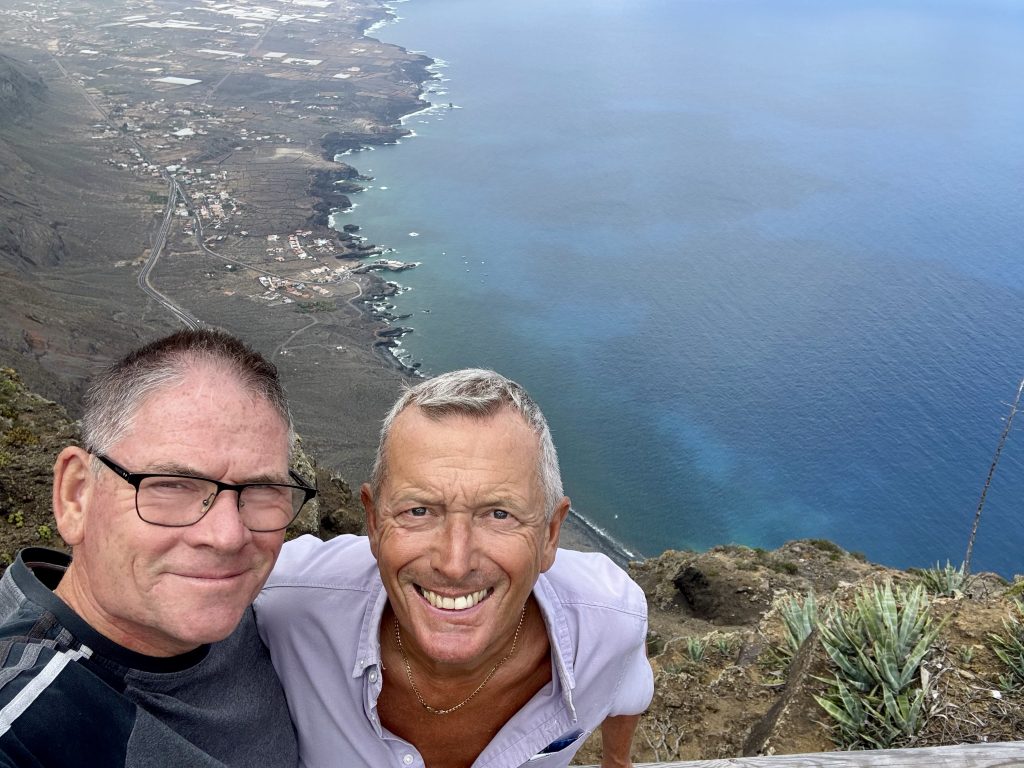
Afterwards we retrace our steps through a 3km tunnel upwards until we are 2/3 mile high, and find a Cæsar Manrique designed restaurant and view-point, similar to the one we discovered in La Gomera last year. The views are spectacular back down to the aforementioned tiny hotel and nearby coastline.
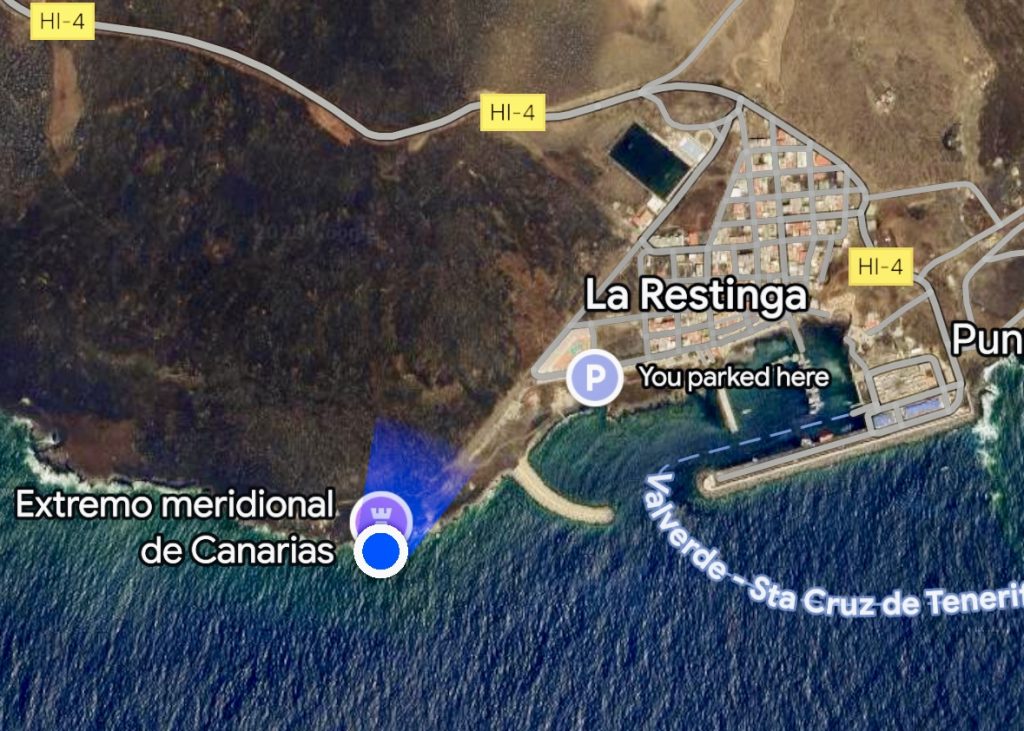
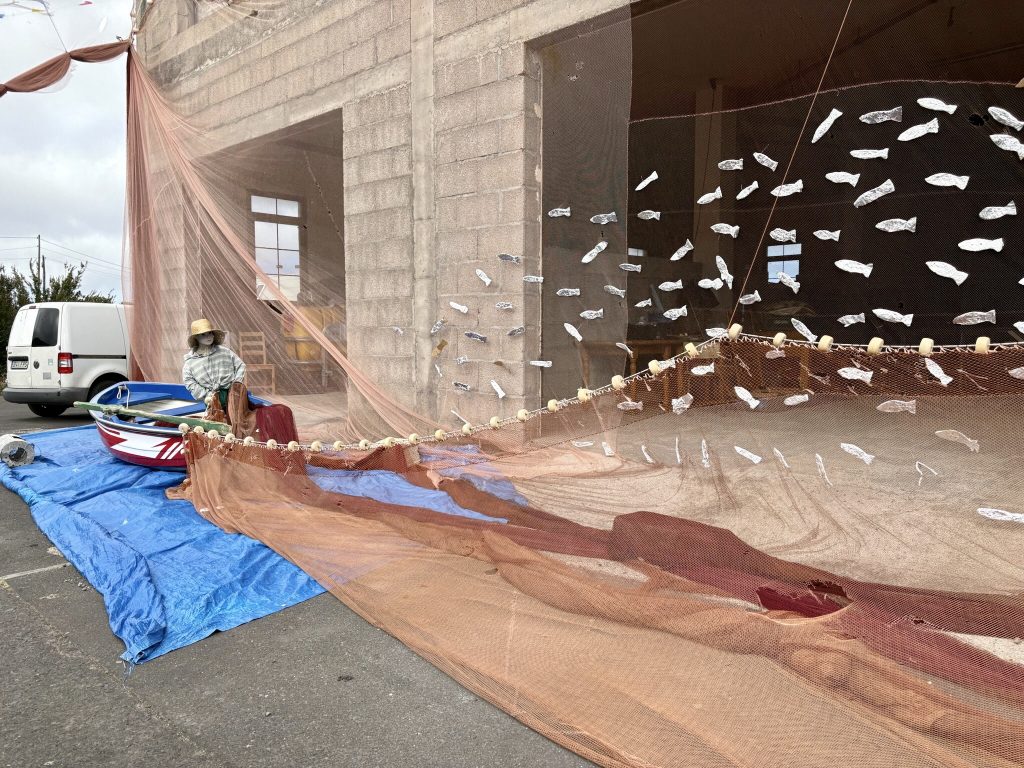
Then it’s best-foot forward as head due South to find the fishing port of La Restinga, an idyllic setting and also the site of the islands most recent eruption which took place in 2011 just 3 km off-shore in a (mostly) sub-marine environment. There was additional land-mass for a while but as the eruption slowed down it slipped back under the sea.
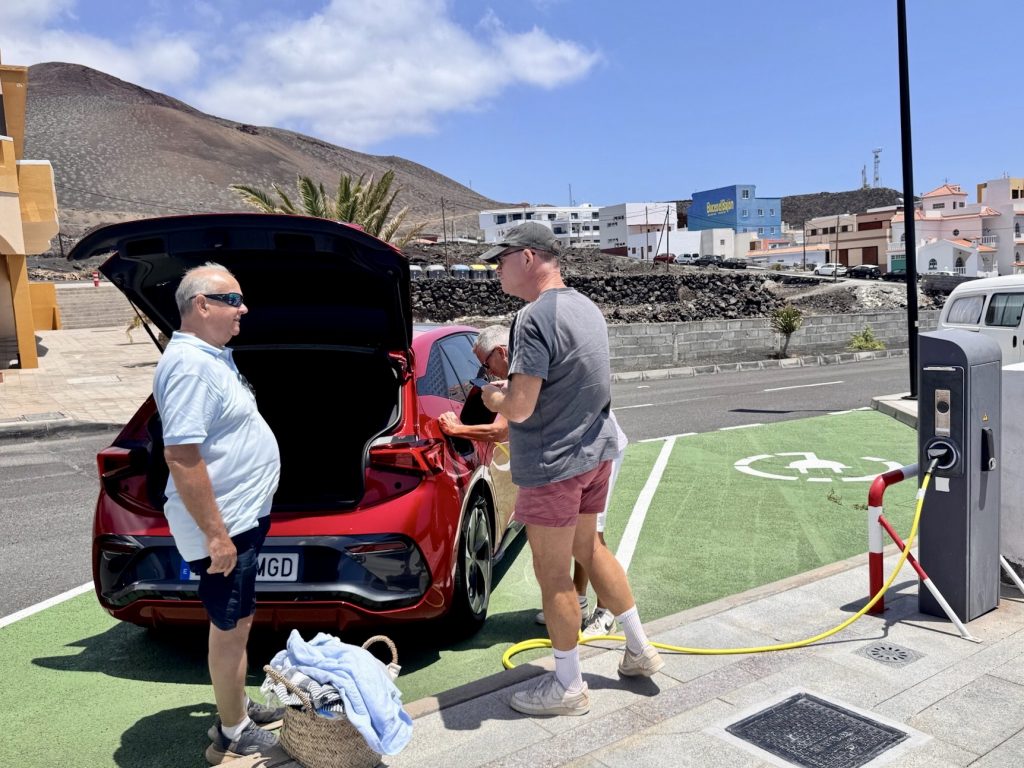
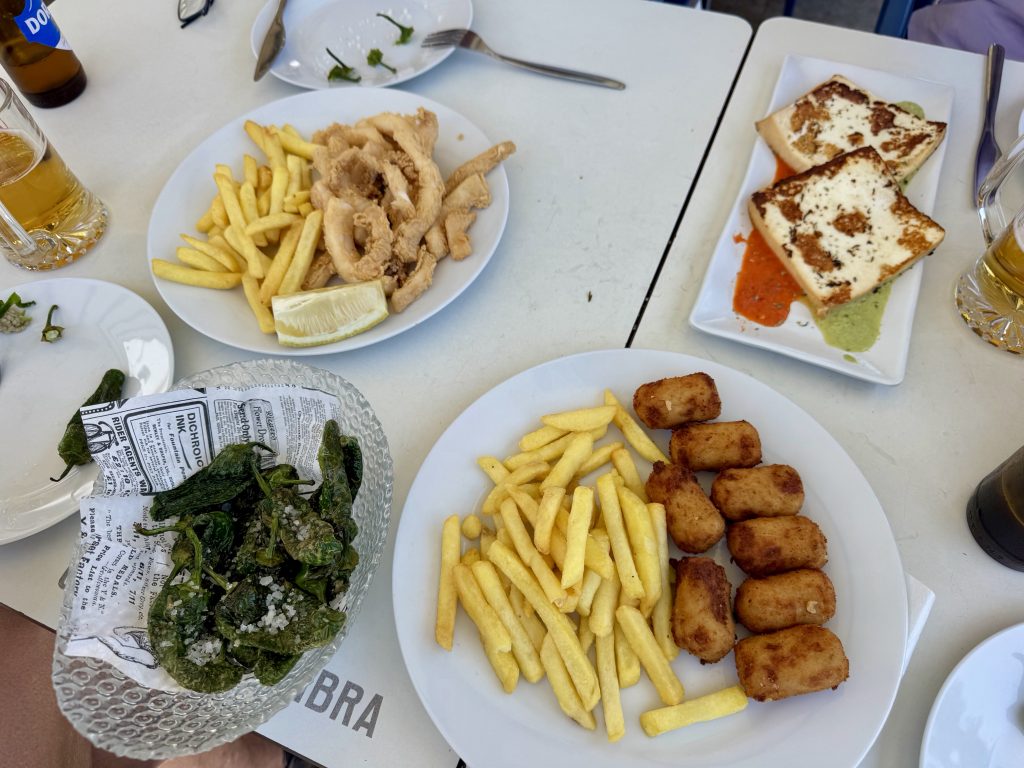
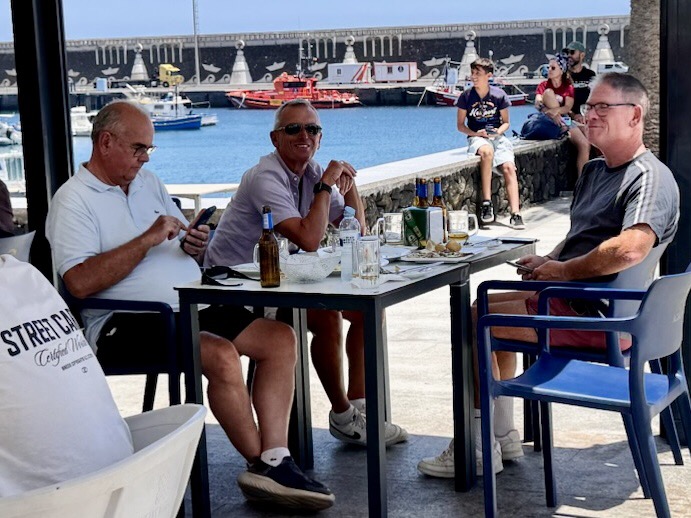
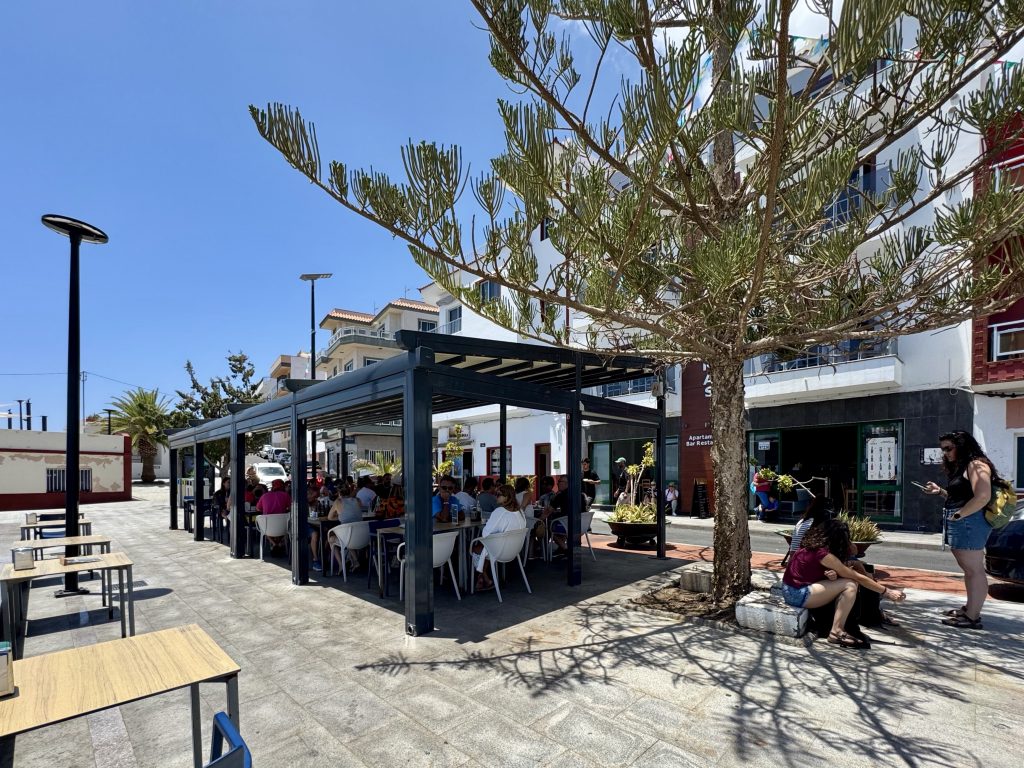
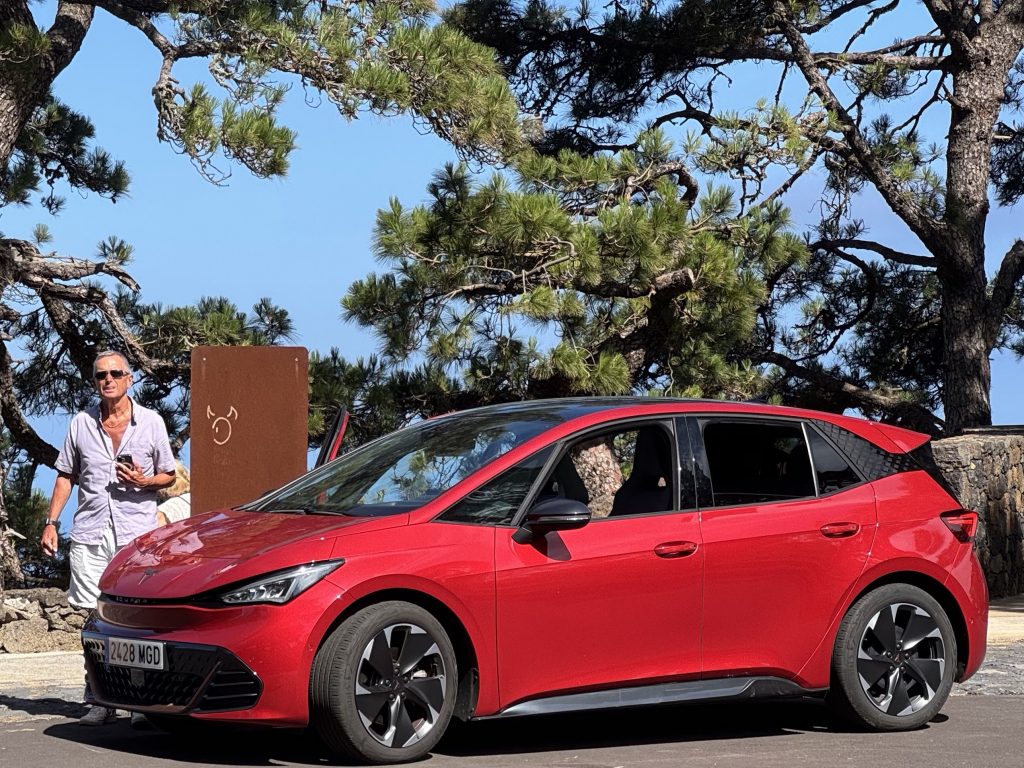
We let the car take a drink, and find our own sustenance harbour-side in a very busy café, enjoying tapas and beer. Afterwards we take a walk around the harbour, and finally visit a significant point in the area.
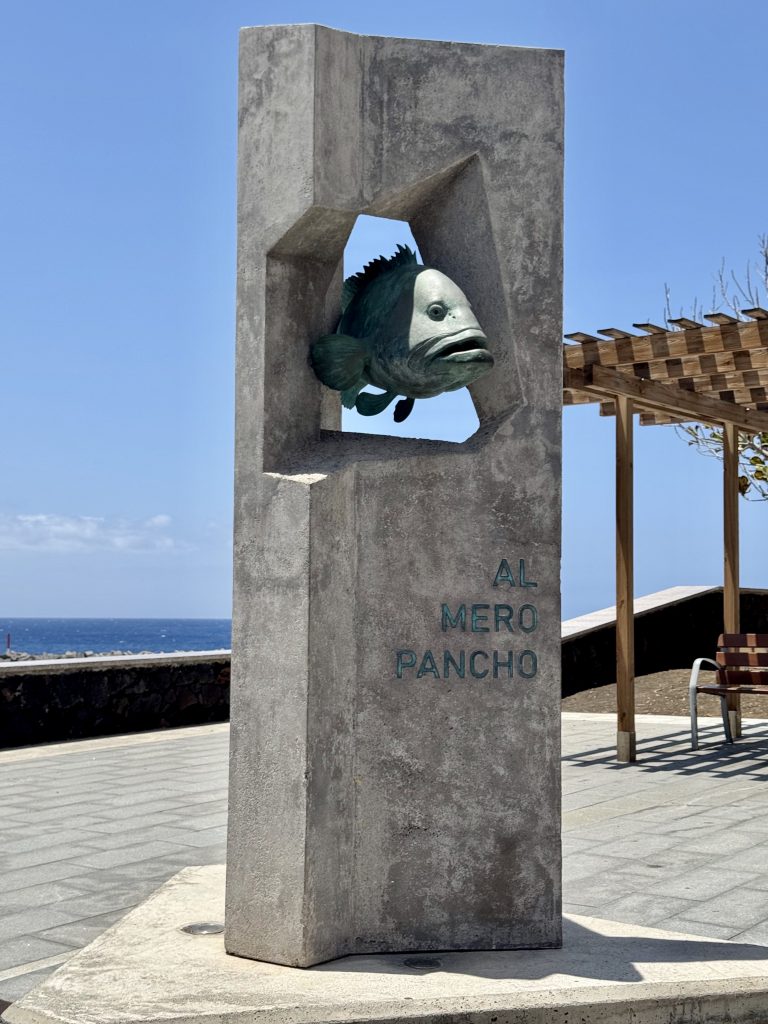
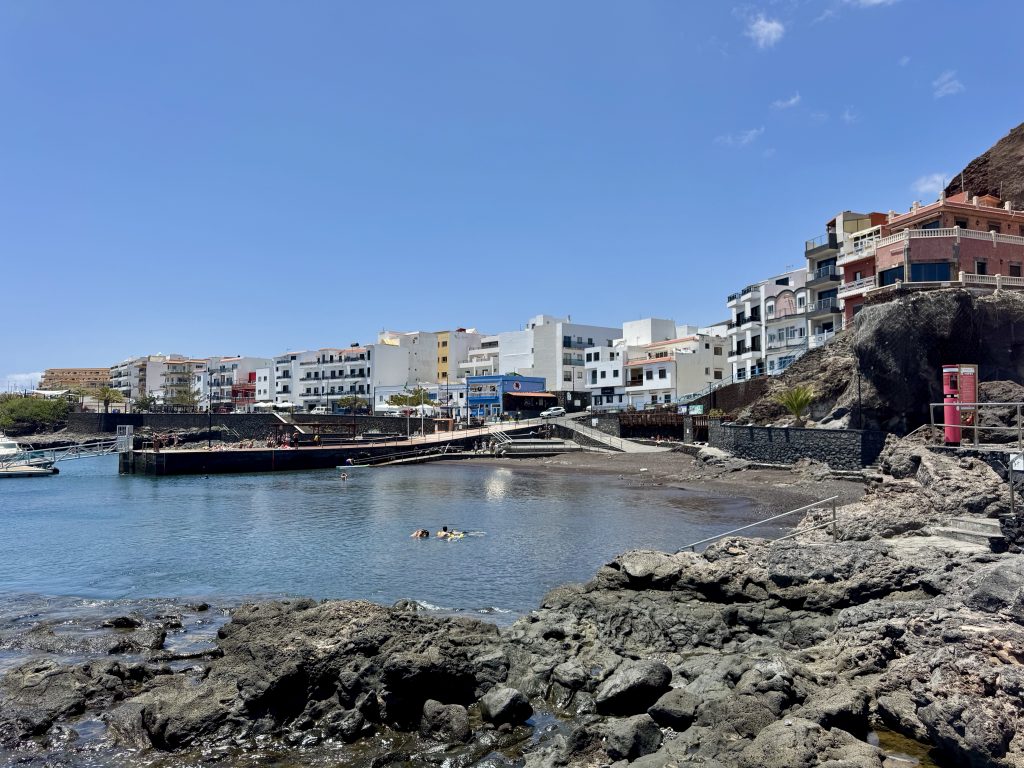
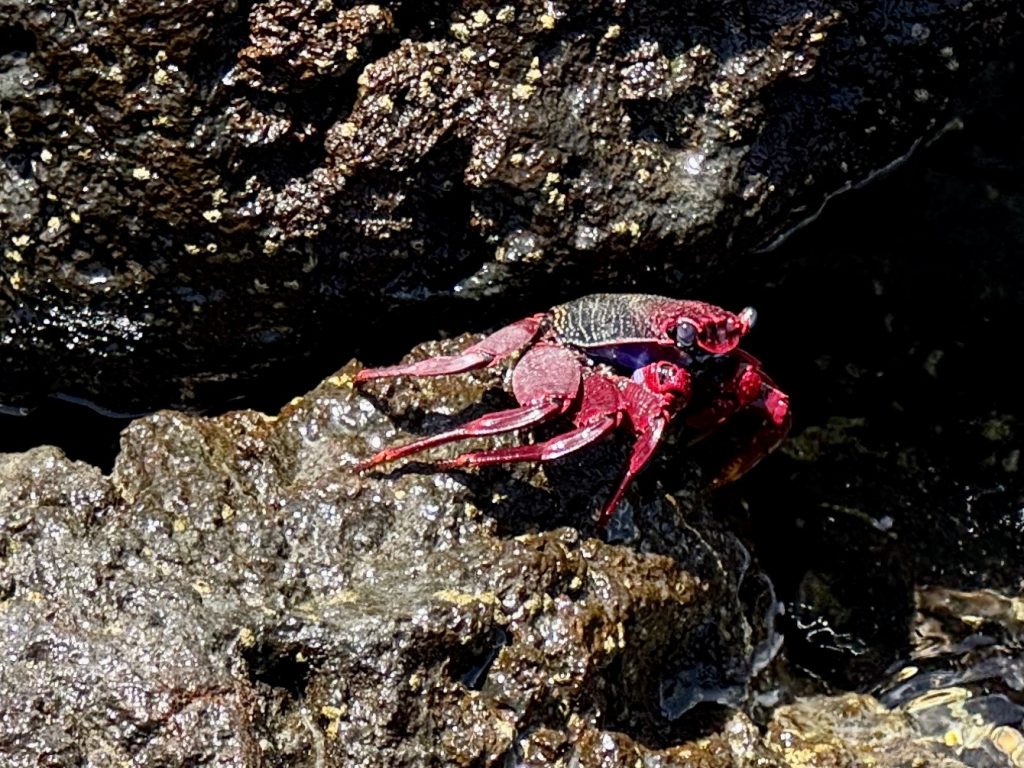
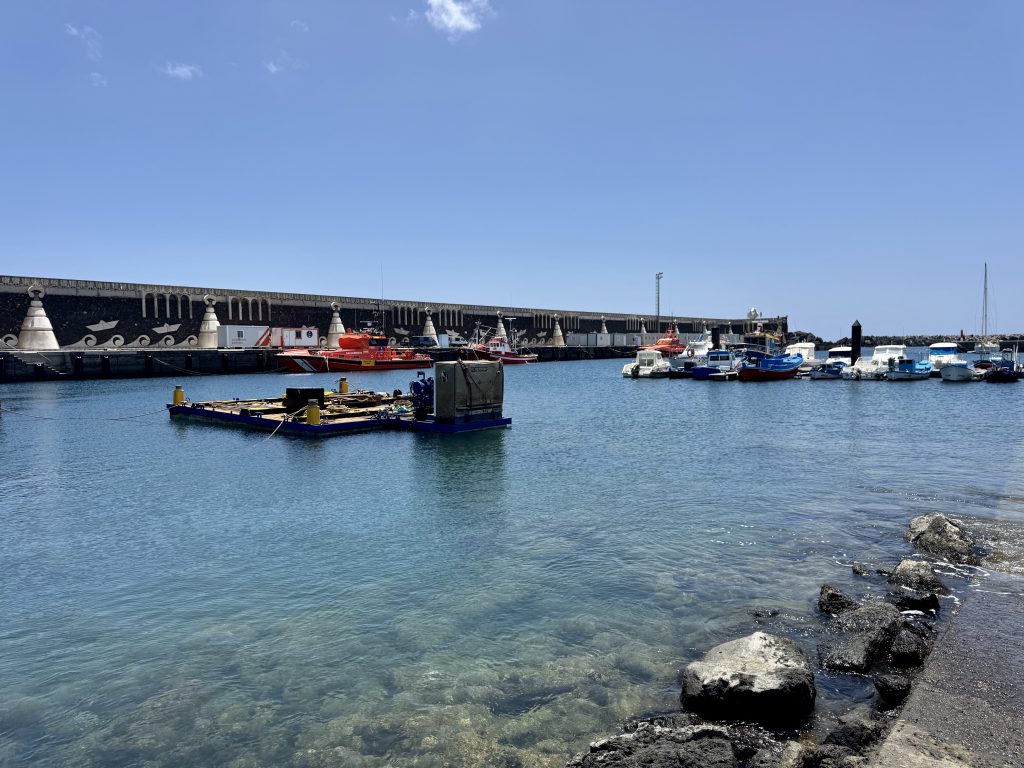
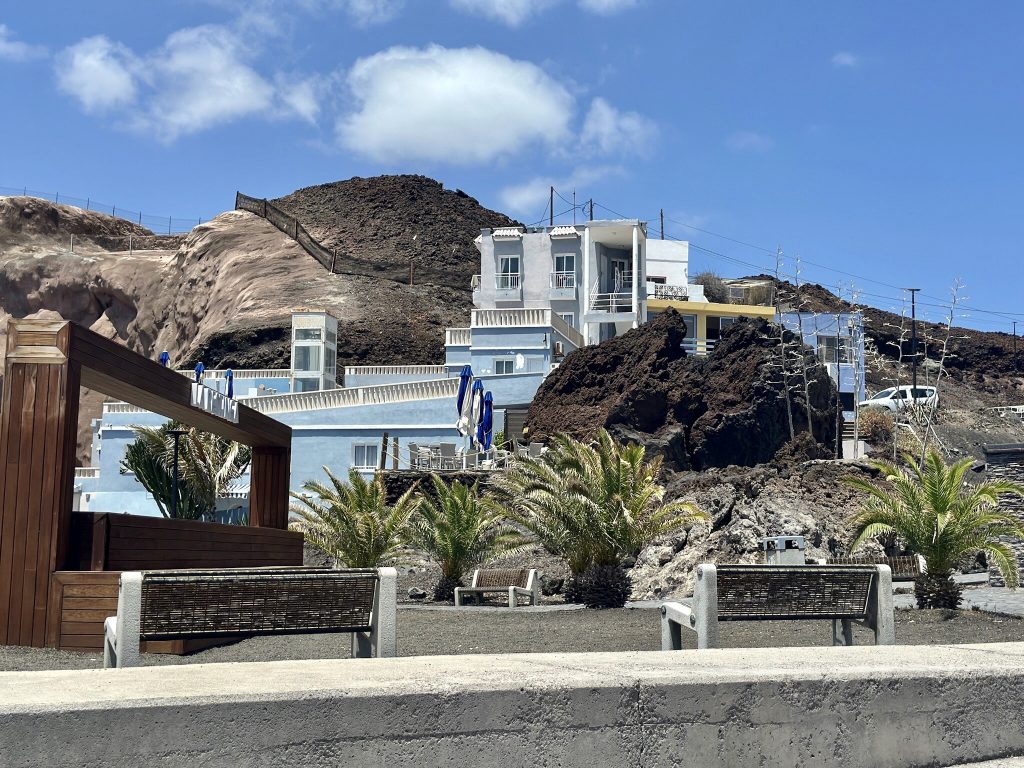
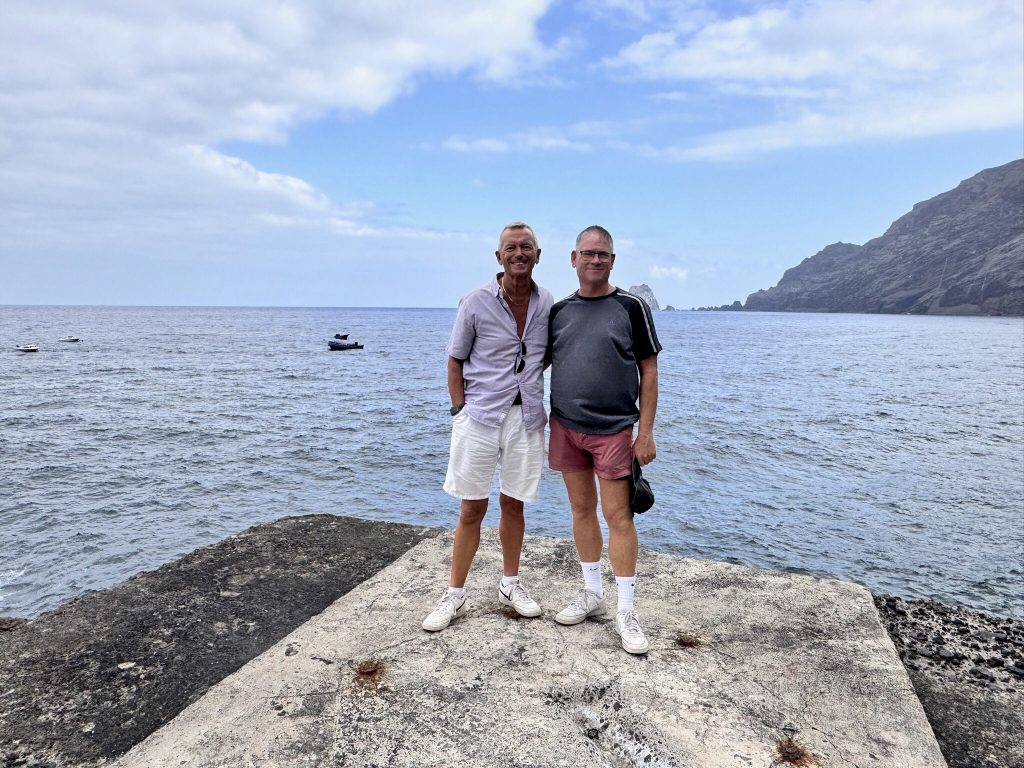
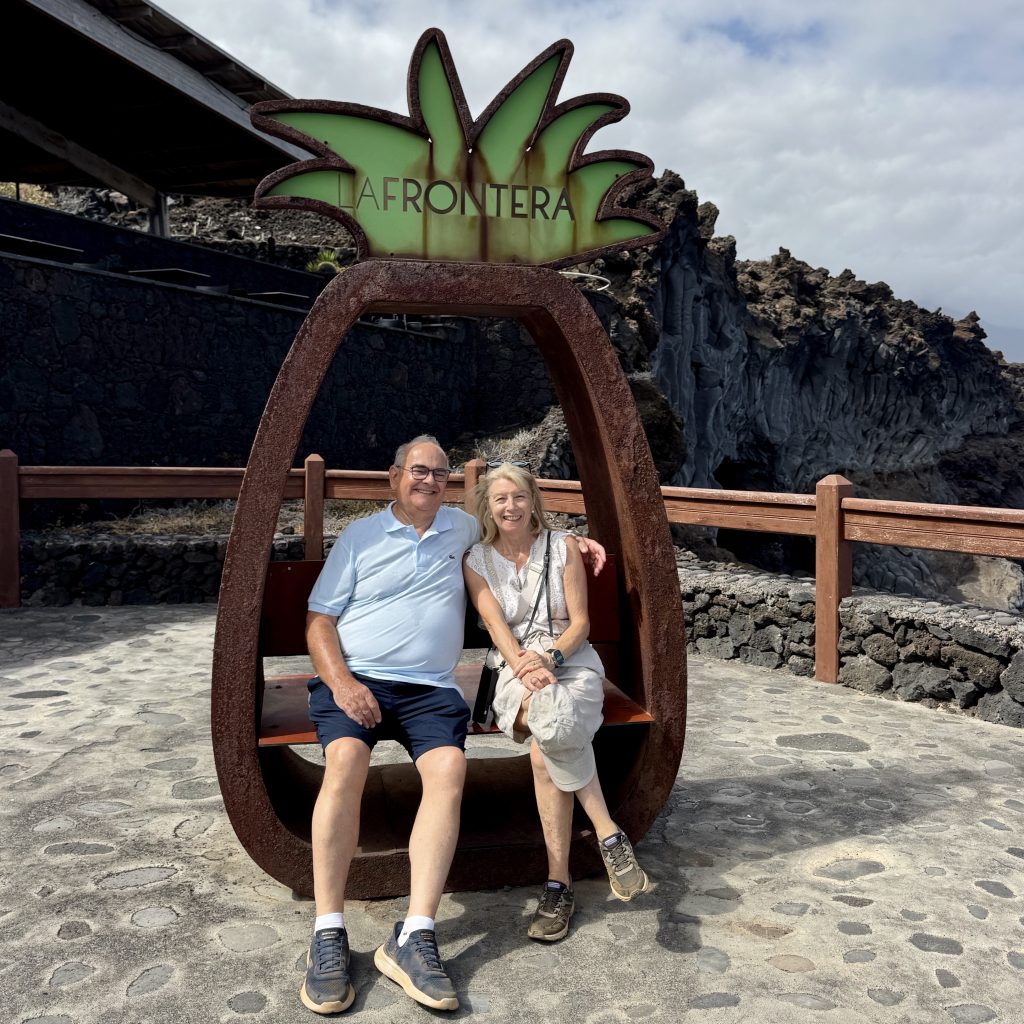
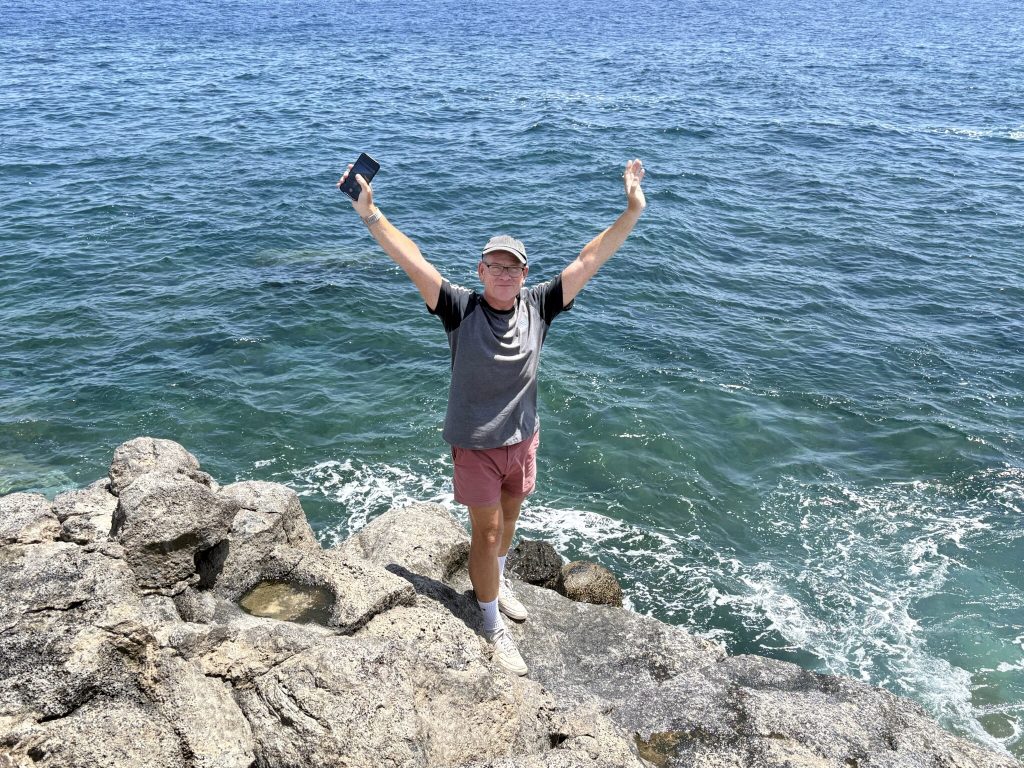
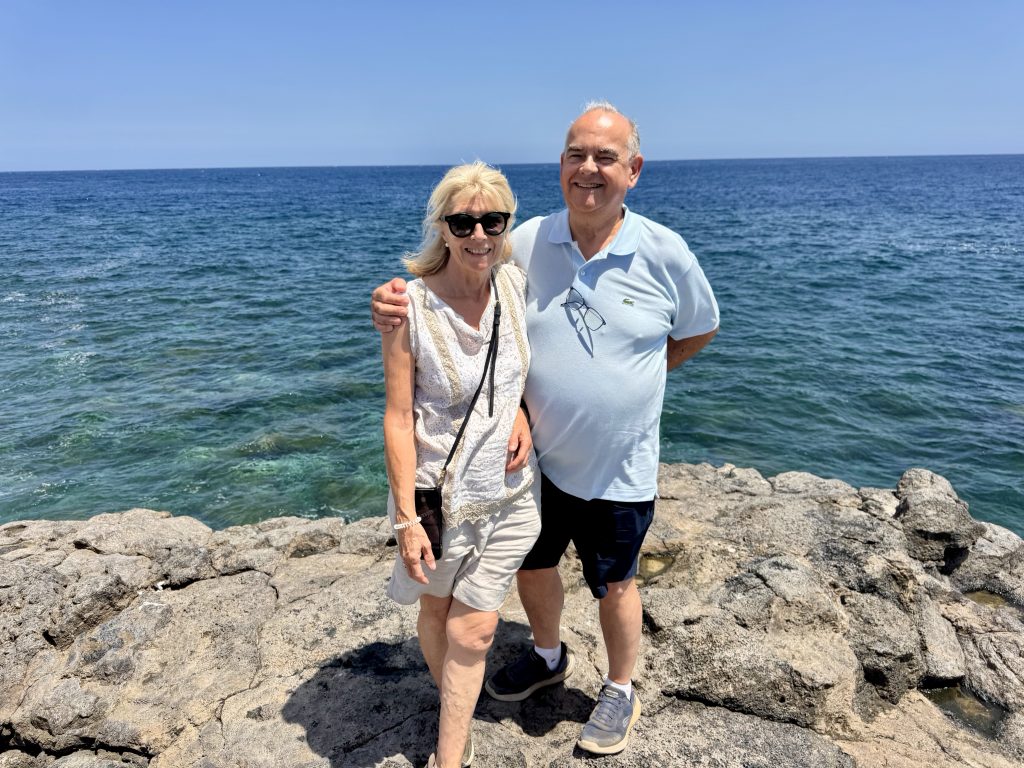
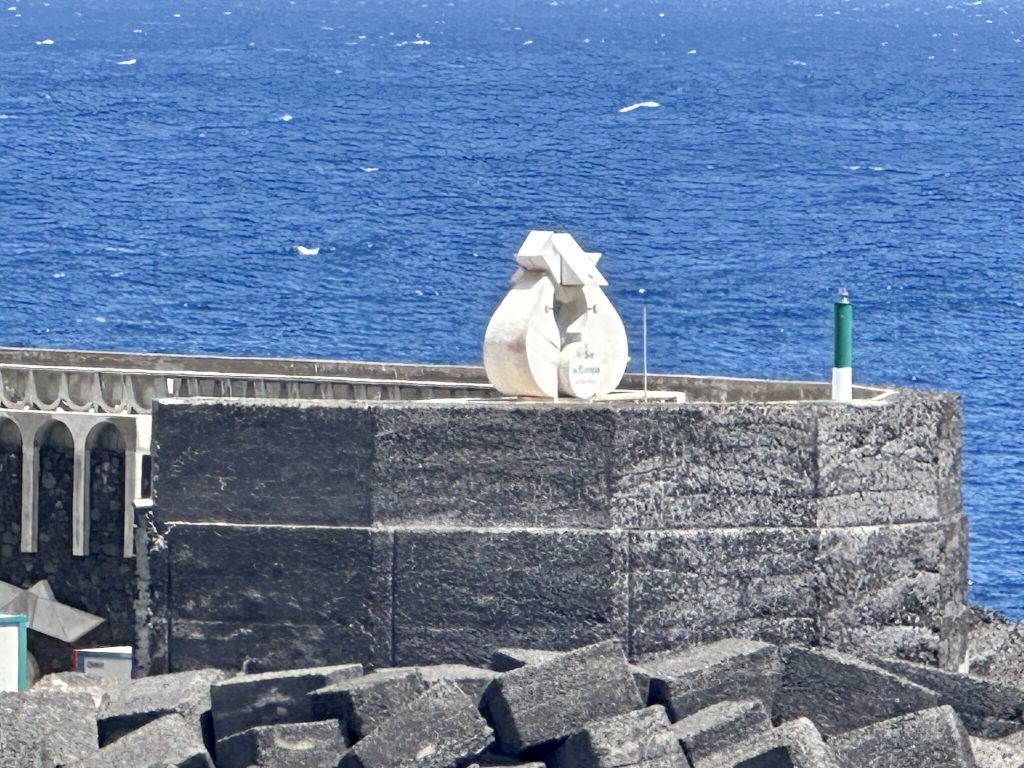
El Hierro is the most Westerly island of the Canaries, and also the most Southerly. Hence today we visit the most Southerly point in Spain, ergo the most Southerly point in Europe. It is a moment in need of a celebratory photo or two. The official monument isn’t positioned quite as well, but it is noteworthy guarding the harbour entrance nonetheless.
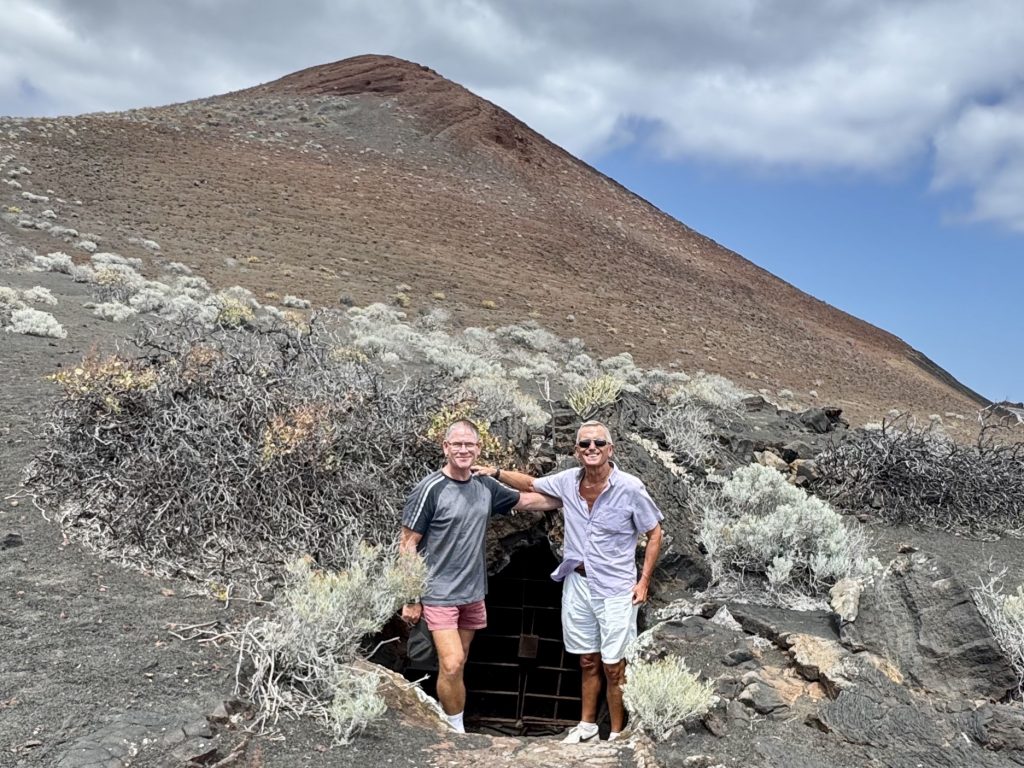
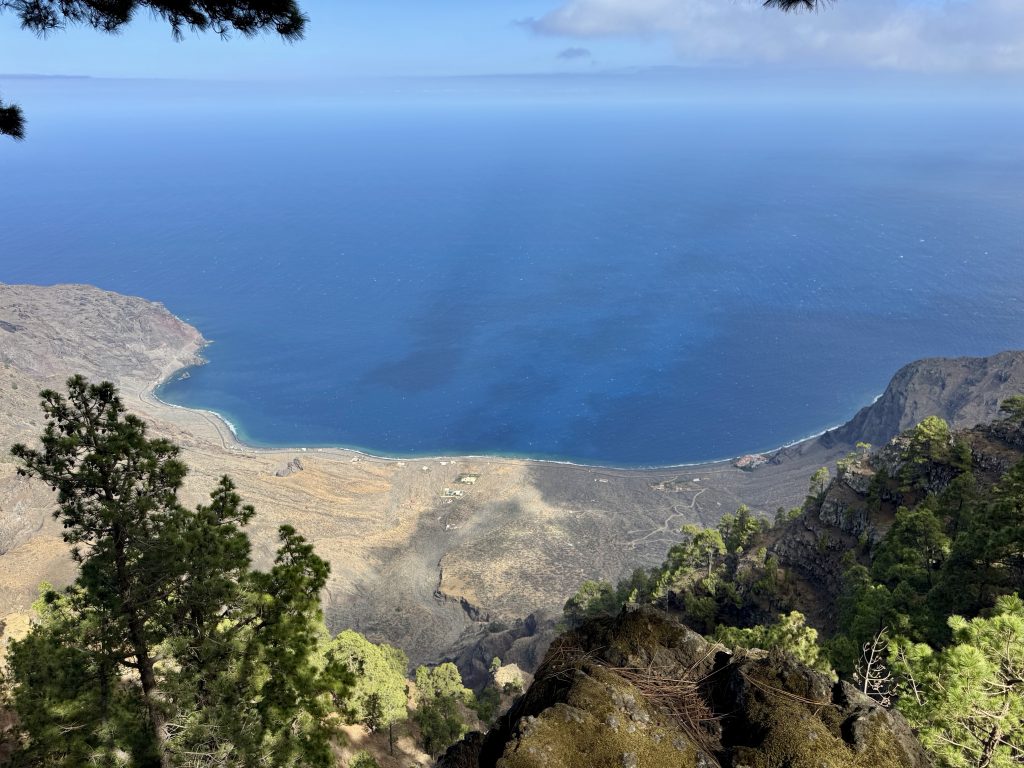
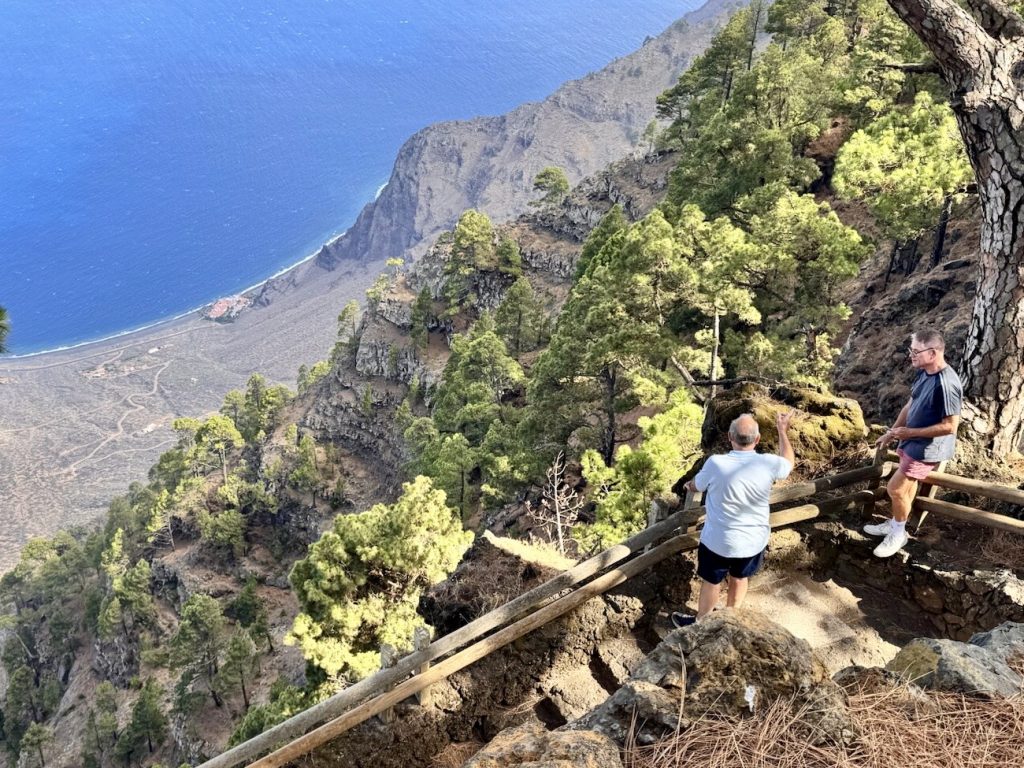
We return via the Cueva del Don Justo, at the end of a 6 km lava tube, and also visit the geopark visitors centre for a lesson on the science of the area. Our last stop is at Mirador de Las Playas, this is lodged into the tree line of the ridge high about our hotel, in fact 0.7 miles above. If only we could fly we could get back to the Paradore in minutes, instead it takes nearly an hour even though we take the most dramatic mountain roadway, rivalling some of the worlds greatest rollercoasters.

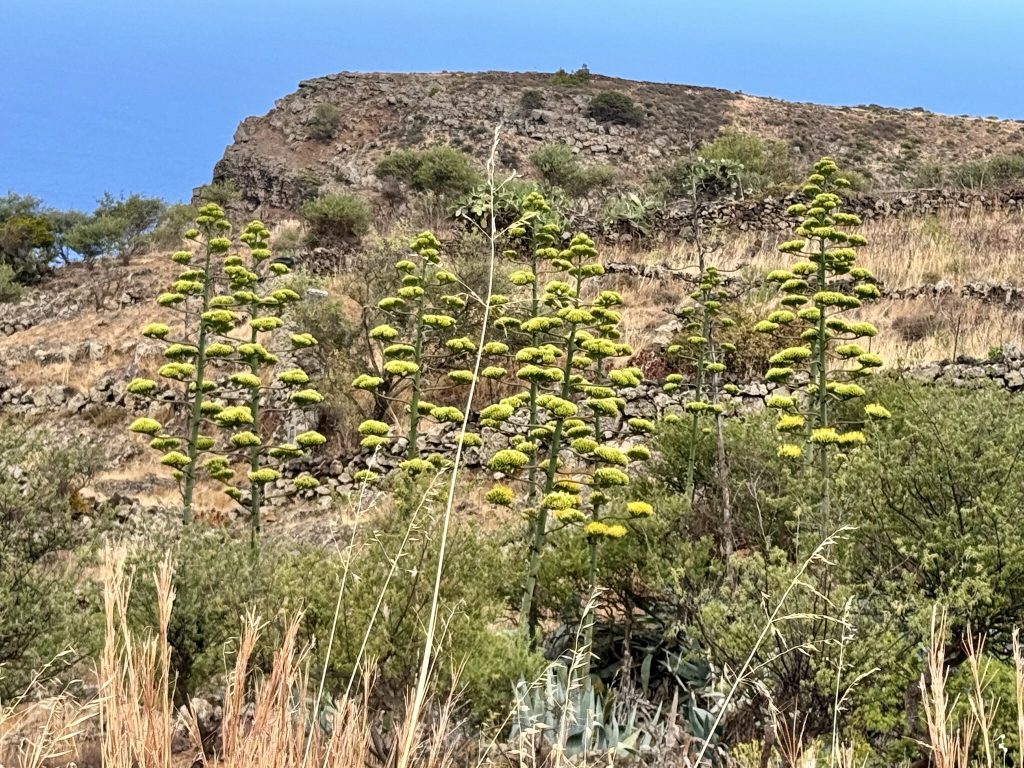
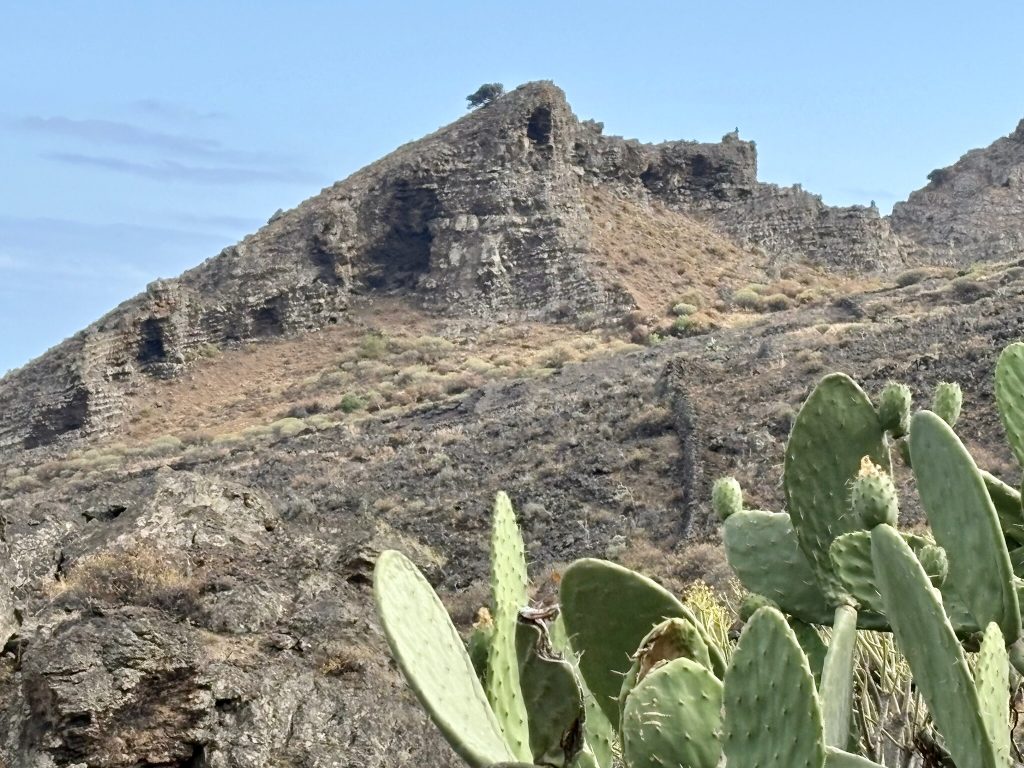
In fact Mr Google offers some very crazy recommendations which we reject, they would have ruined the car and probably killed us as well. Happily common sense wins over AI on this occasion, good job I didn’t get the auto-drive module!!
Our return coincides with the yard-arm so we hit the patio and start on the mammoth task of curating four phone’s worth of photos to enhance this very journal.
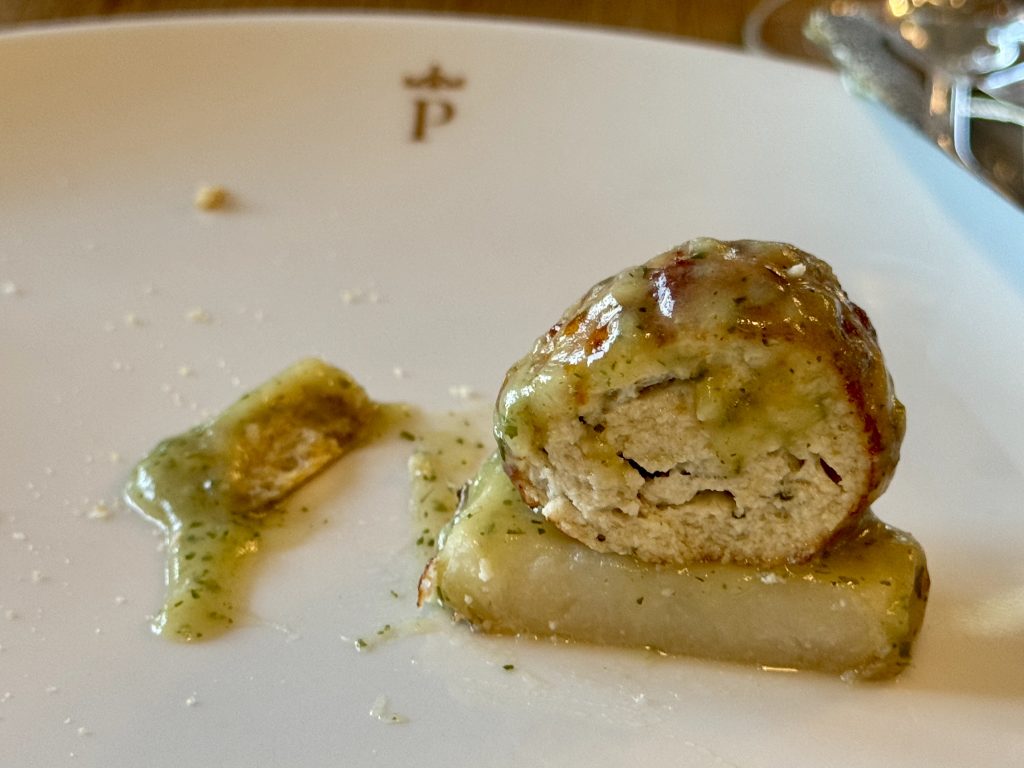
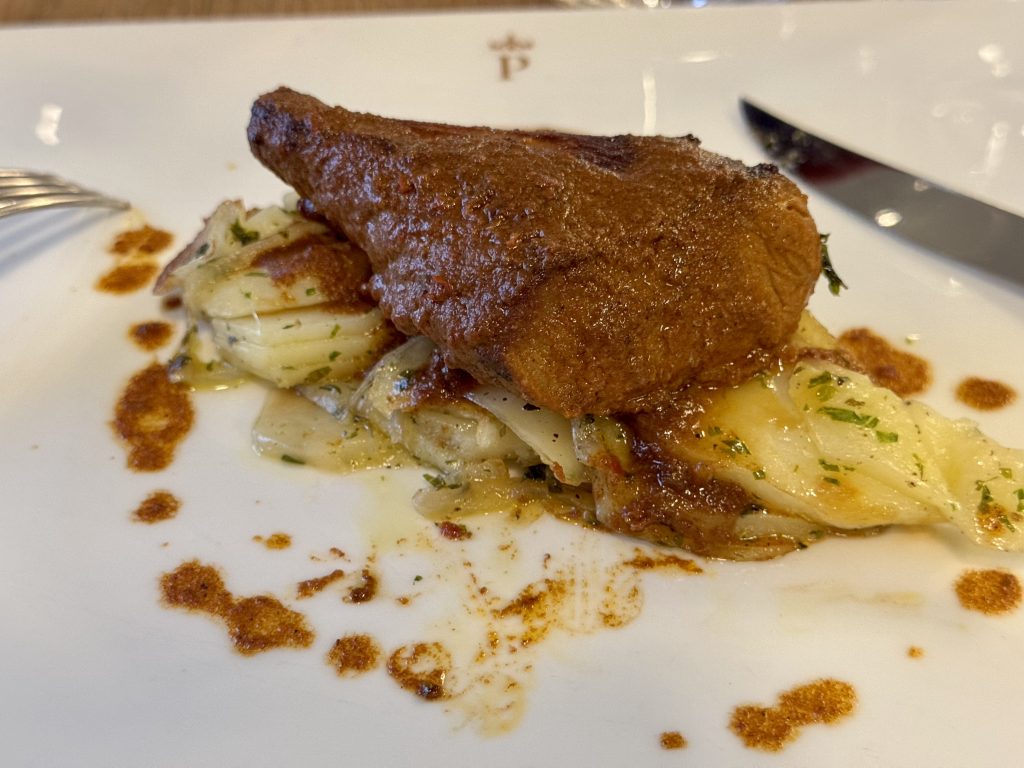
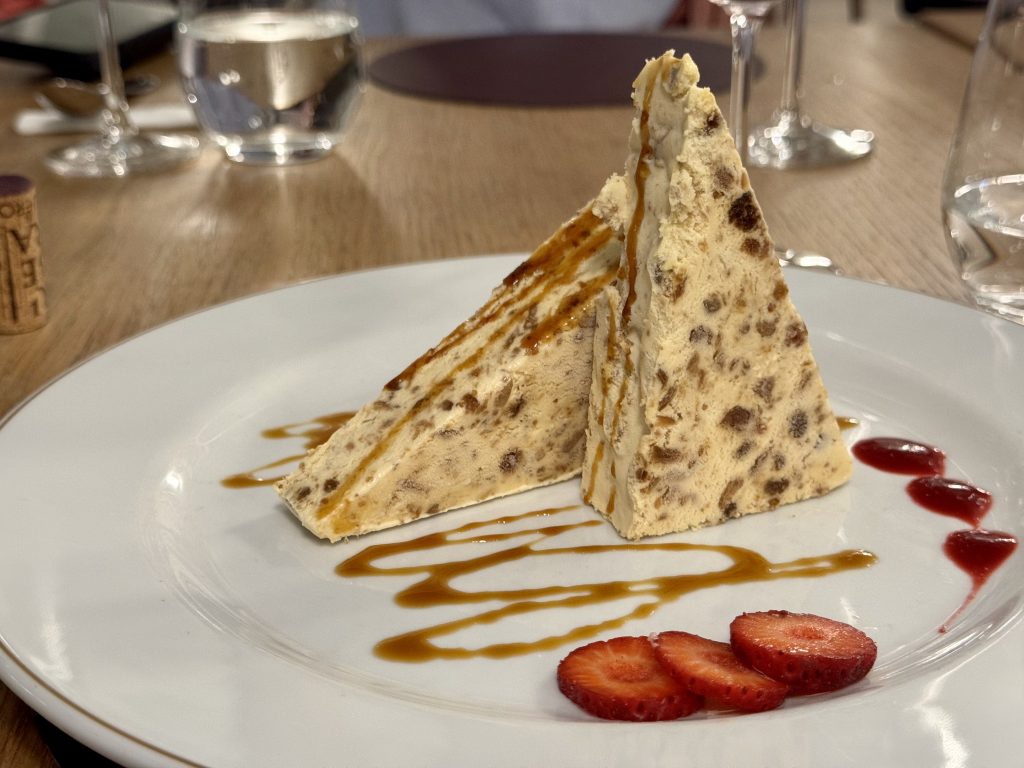
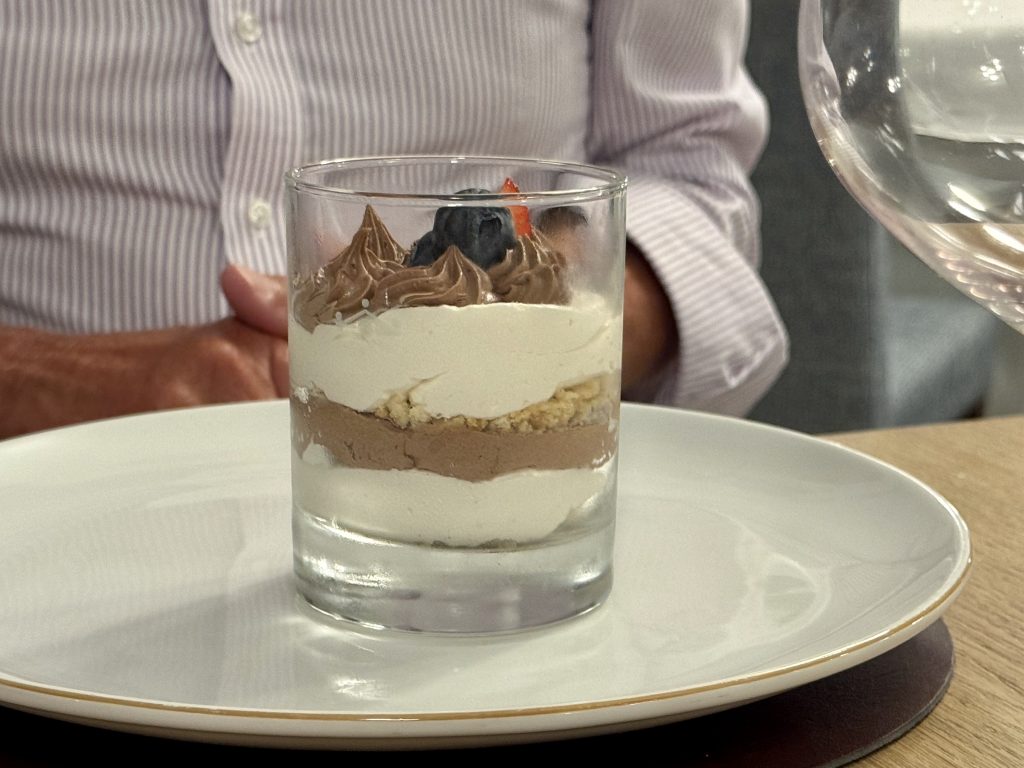
Dinner is once again excellent, at first I though my Ibérico pork fillet overcooked, but it is only the tail-end, the rest succulent and fabulous. Squid-ink rice, sea bass and goat’s cheese salad are also enjoyed, as well as meatball starters and multiple puddings.